Please ensure Javascript is enabled for purposes of website accessibility

Signs That Someone’s Having a Stroke

Table of Contents

In elderly individuals, the risk of having a stroke is significant. The CDC posts that strokes happen at any age, but the chances increase in our later years. The main causes include diabetes, obesity, smoking, high blood pressure, and high cholesterol. The CDC also emphasizes the importance of early action for a stroke, which can lead to better outcomes.

There’s a problem, though. As adult children watching our parents age, we face a troubling reality: distinguishing between normal aging and serious medical emergencies like stroke.

Knowledge will address that fear, and The Avenues of Fort Bend is a source for clear information. Our trained caregivers recognize signs of stroke in the elderly and know the immediate steps to take. And before we direct you on what to do, let’s start at the source with a basic question and a detailed answer.
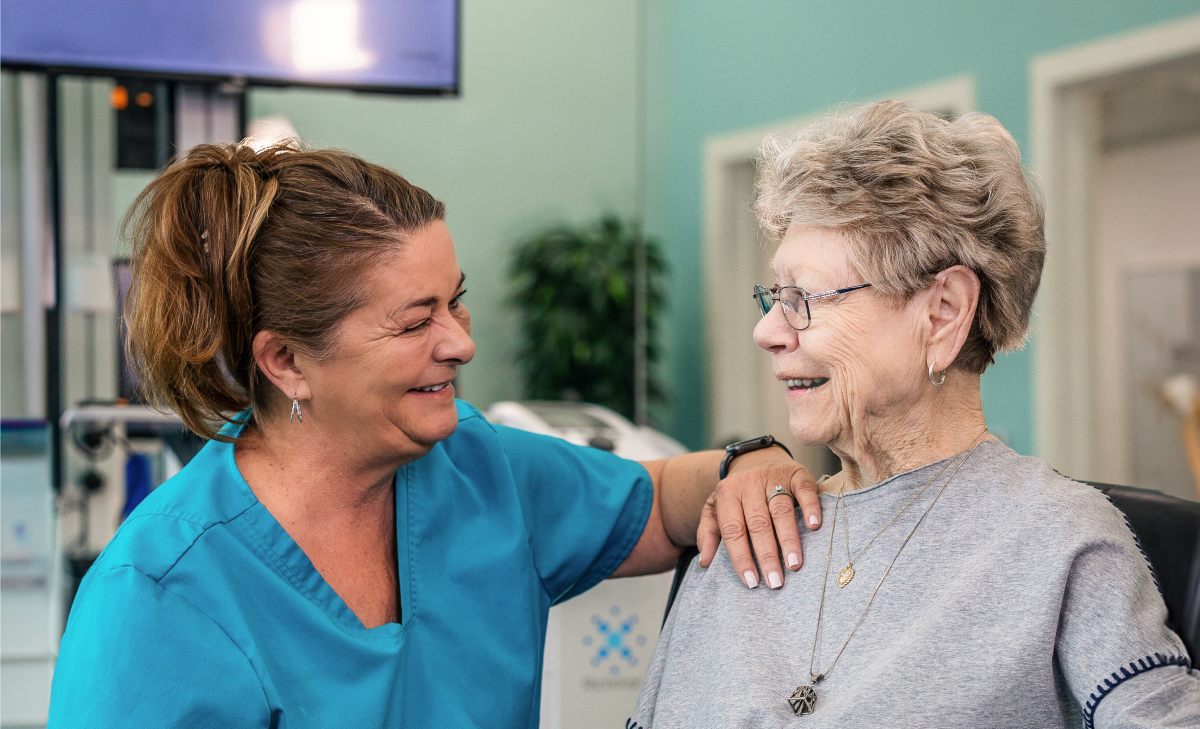
Civitas Senior Living | Nurse with senior woman
Our caregivers are experienced with the signs of strokes in elderly people.

What Is a Stroke?

A stroke occurs when blood flow to part of the brain is interrupted, cutting off oxygen and nutrients. Brain cells begin dying within minutes, making every second count.

This medical emergency affects nearly 800,000 Americans annually, with seniors facing the highest risk. Age doubles stroke risk every decade after 55, which means your 75-year-old parent faces significantly higher odds than they did at 65. However, stroke in the elderly doesn’t represent an inevitable fate. Understanding risk factors, recognizing symptoms, and acting quickly can save lives and preserve quality of life.

Types of Strokes: The Main Categories You Need to Know

Medical professionals classify types of strokes into categories, each requiring different treatment approaches.

  • Ischemic stroke represents about 87% of all strokes. This occurs when blood clots block the arteries leading to the brain. Picture a dam blocking a river; downstream areas suffer from a lack of water flow. Similarly, brain tissue downstream from the blockage begins dying from oxygen deprivation.
  • Hemorrhagic stroke happens when blood vessels in the brain rupture, causing bleeding. This accounts for about 13% of strokes but often proves more deadly. Instead of blocked flow, hemorrhagic stroke creates dangerous pressure inside the skull as blood accumulates where it shouldn’t be.
  • Transient ischemic attack (TIA) acts like a warning. These “mini-strokes” produce temporary symptoms that resolve within 24 hours. Never ignore TIAs, as they often precede major strokes.

Signs of Stroke in the Elderly: Recognizing the Emergency

You might be familiar with the acronym FAST, which identifies the most common symptoms:

  • Face drooping: Ask your parent to smile. Does one side of their face droop or feel numb? Is their smile uneven or lopsided?
  • Arm weakness: Have them raise both arms. Does one arm drift downward? Can they keep both arms raised equally?
  • Speech difficulty: Ask them to repeat a simple phrase. Is their speech slurred, garbled, or strange?
  • Time to call 911: If you observe any of these signs, call emergency services immediately.

Less obvious signs of strokes in elderly adults include sudden severe headache, confusion, vision problems, dizziness, or loss of coordination. Seniors might dismiss these symptoms as “just getting older,” but don’t let your guard down. Trust your instincts if something seems different.

Stroke Symptoms Differ Between Men and Women

Signs of a stroke in men typically follow classic patterns. Men more commonly experience the traditional FAST symptoms: facial drooping, arm weakness, and speech problems. They might also report sudden vision loss, severe headache, or difficulty walking.

Stroke symptoms in women can be more subtle and easily misdiagnosed. Women frequently experience non-traditional symptoms like sudden nausea, general weakness, shortness of breath, or overwhelming fatigue. They might report feeling disoriented or having sudden behavioral changes. Women also tend to delay seeking treatment, often attributing symptoms to other conditions.

Both sexes can experience atypical presentations, and advanced age can mask symptoms or make them appear less dramatic. Your 80-year-old mother might not show obvious facial drooping but could suddenly become confused or unable to perform familiar tasks.

Recovery After Stroke: Hope for Your Senior Family Member

The brain’s remarkable ability to adapt, called neuroplasticity, continues throughout life. While recovery might take longer in seniors, significant improvement remains possible through rehabilitation.

The sooner rehabilitation begins, the better the outcomes typically become. Physical therapy helps restore mobility and strength, while occupational therapy focuses on daily living skills like dressing, eating, and personal care. Through a partnership with Select Rehabilitation, The Avenues of Fort Bend provides on-site therapy services.

Family support plays a central role in recovery after strokes in elderly people. Your encouragement, patience, and involvement in therapy sessions can dramatically improve your parent’s progress. Many seniors successfully return to independent living or achieve meaningful improvements in function.

Creating a safe home environment also becomes essential. Remove tripping hazards, install grab bars, ensure adequate lighting, and consider assistive devices. These modifications support independence and reduce fall risk.

Preventing Stroke in Elderly Loved Ones

Encourage senior family members to manage blood pressure, control diabetes, quit smoking, maintain a healthy weight, and stay physically active. Regular medical checkups can identify and address risk factors before they lead to stroke.

Lastly, stay educated about strokes in the elderly through reputable medical sources. Knowledge helps you advocate effectively for your loved one’s health needs.


Give Your Loved One the Expert Care They Deserve at The Avenues of Fort Bend

Your parent’s health shouldn’t be left to chance. At The Avenues of Fort Bend, our skilled team members provide personalized care plans and stroke recovery care in a compassionate environment. Don’t wait for a medical emergency to find quality care; contact The Avenues of Fort Bend today.

The Avenues of Fort Bend | Outdoor entrance
Leadership Team

Our team collaborates with community leaders, caregivers, and senior living professionals to provide helpful information on wellness, care options, lifestyle, and planning for the future.

Get More Personalized Guidance

Want to Share This Story?

Keep Exploring Articles for Seniors & Families

Learning about senior living doesn’t have to stop here. Because every family has unique questions, we’ve gathered more helpful blog posts on similar topics that can guide you and your family through the next steps.

Civitas | Alzheimer's Awareness Month

Civitas Is Dedicated to Alzheimer’s & Brain Awareness Month

Summer brings long days filled with outdoor gatherings, family reunions, and celebrations marking the season. These warm months create memories we carry forward for years. We remember backyard barbecues with neighbors, vacation adventures with grandchildren,...

Assisted Living Studio Apartments | Civitas Senior Living

Smart Space | Full Life: Assisted Living Studio Apartments

If you visited a parent or grandparent in a senior living community even 20 years ago, you may hold an outdated picture of what these spaces look like today. Modern communities feature bright, open designs...

How to Prevent Boredom With Retirement Hobbies | Civitas

Retirement Hobbies to Prevent Boredom and Keep Growing

Most people love retirement. Recent research from Money reveals that the majority of retirees report feeling happier after leaving the workforce. However, the data also shows that 8% of retirees report being less happy. The...

Civitas | Seasonal Tips: Asthma Symptoms and Senior Allergies

The Symptoms and Signs of Asthma and Allergies in Older Adults

April brings longer days, blooming flowers, and Earth Month celebrations that remind us to appreciate and interact with the natural world around us. However, for many older adults, spring presents serious challenges rather than simple...

Civitas | Team member assisting memory care resident

What Are the Most Common Monthly Memory Care Prices in Missouri City?

When families begin researching memory care costs in Missouri City, questions about pricing and value naturally arise. Most likely wonder how much Alzheimer’s care costs in the Houston area, and what will specialized dementia care...

Civitas | Early Signs Of Cancer

Recognizing the Early Signs of Cancer in Seniors

You’ve probably spent time worrying about whether your parent might develop heart disease or dementia. But cancer is just as much of a concern as they age. The National Library of Medicine posts that prostate...

Ready To Speak With Us In Person?

This website uses cookies.

Schedule a Tour Today!

By submitting this form, you agree to the terms and conditions of our Privacy Policy. You also consent that we can reach out to you either by phone or by using a phone system that can auto-dial numbers. Your consent is not required to use our service.