Good nutrition is a cornerstone of good health at any age. For older adults, eating well can sometimes be a challenge due to a reduced appetite, difficulty preparing meals, or changes in taste and digestion.
Snacking, when done with purpose, can help bridge nutritional gaps and support energy throughout the day.
The Avenues of Fort Bend in Missouri City, Texas, offers assisted living and memory care with a focus on elevated senior living dining and snacking. Our seasonal menus and individualized dining approach make it easier for residents to enjoy nourishing food that supports wellness.
Let’s explore why healthy senior snacks should be on your daily checklist.
Why Healthy Snacking Matters for Seniors
Aging can bring changes in metabolism, muscle mass, and nutrient absorption. Some seniors may eat less at mealtimes, which means snacks can be an important source of daily nutrition.
The right snacks for seniors can provide energy, support strength, and help maintain independence.
Healthy senior snacks can also make up for nutrients missed at main meals. By choosing options rich in protein, vitamins, and minerals, older adults can keep their bodies fueled and strong.
Common Nutritional Challenges for Older Adults
Understanding why snacking is essential starts with knowing the challenges seniors face when it comes to food. These can include:
- A reduced appetite due to medications or health conditions
- Difficulty chewing or swallowing
- Loss of taste or smell
- Limited mobility for meal preparation
- Special diets that restrict certain foods
When these challenges make full meals less appealing, a balanced approach to snacking becomes essential. Food for seniors should be nutrient-dense, easy to eat, and enjoyable.
Benefits of Strategic Snacking
Snacking should not be seen as indulging between meals. Instead, it can be part of a balanced diet that meets nutritional needs. Some benefits include:
- Energy Maintenance: Keeps energy levels stable between meals.
- Muscle Support: High-protein snacks for seniors help preserve muscle strength.
- Nutrient Boost: Adds extra vitamins, minerals, and fiber.
- Hydration Support: Certain snacks, like fresh fruit, contribute to fluid intake.
Healthy Snack Guidelines for Seniors
To get the most benefit from snacks, keep these principles in mind:
- Choose whole, minimally processed foods.
- Focus on snacks that provide both protein and complex carbohydrates.
- Avoid items with high levels of added sugars.
- Include colorful produce for a range of vitamins and minerals.
What do the elderly need to eat for optimal nutrition? Proteins, whole grains, healthy fats, and fresh produce is key. A variety of snacking options can make this easier to achieve.
Healthy Snacks for Seniors in the Summer
Warm weather often means smaller appetites, so snacks can be especially important during summer. Easy-to-prepare options can help seniors enjoy nutrient-rich foods without long cooking times.
Ideas for summer-friendly healthy snacks for seniors:
- Sliced bell peppers with hummus
- Chilled plain Greek yogurt with fresh berries
- Whole-grain crackers with nut butter
- Cucumber slices with cottage cheese
- Boiled eggs with a sprinkle of paprika
These choices are light yet satisfying and contribute to overall health.
Hydration and Snacking
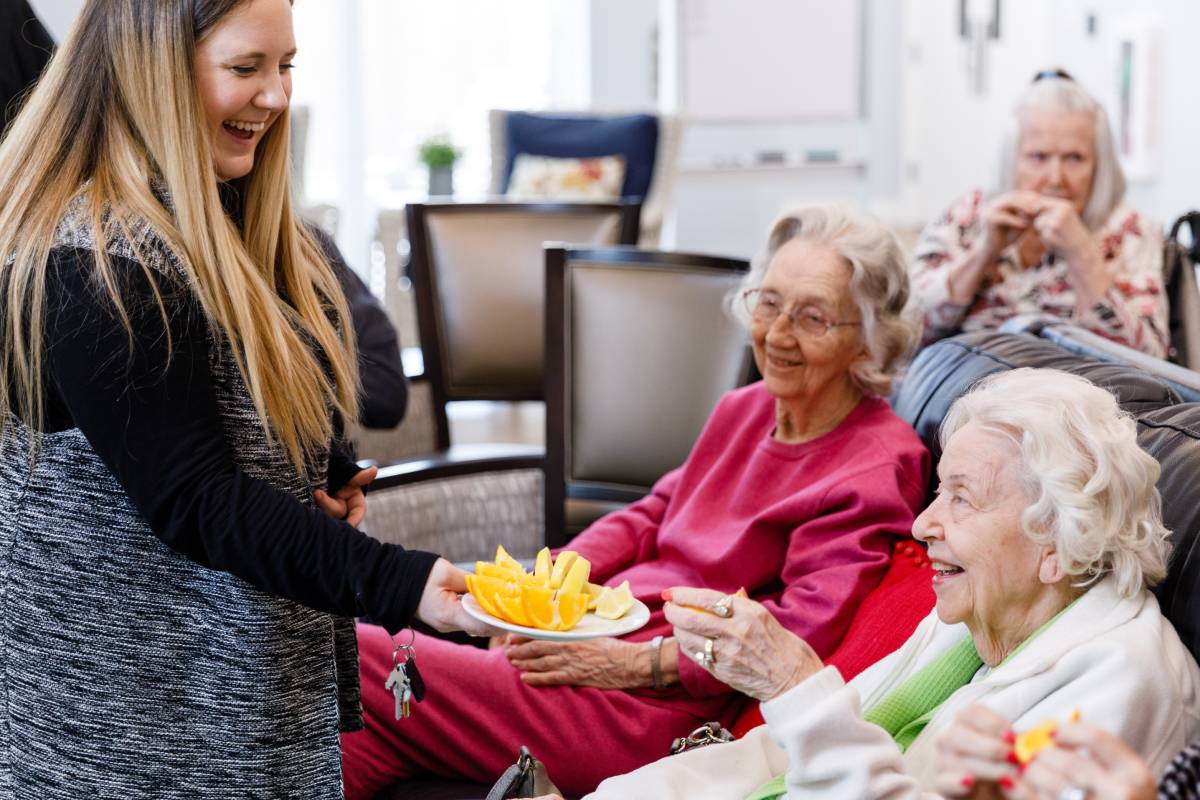
Hydration is closely tied to healthy eating. Many snacks can help with fluid intake, which supports digestion, heart health, and the immune system. Fresh fruit, such as melon or oranges, provides both water and vitamins. Smoothies made with milk or yogurt can also hydrate while adding protein.
High-Protein Snacks for Seniors
Protein is essential for preserving muscle and supporting recovery from illness or injury. Protein-rich snacks keep energy steady and help seniors feel full longer.
Examples of high-protein snacks for seniors include:
- Cheese cubes with apple slices
- Nuts and seeds mix
- Tuna salad on whole-grain crackers
- Edamame pods
- Hard-boiled eggs with a pinch of salt
What Can a Strict Diet Lead to in Older Adults?
While healthy eating is important, overly strict diets can sometimes lead to nutrient deficiencies, fatigue, or unintended weight loss in seniors.
Flexible snacking can help fill in these gaps while still respecting any dietary needs. The goal is to create a balanced diet that supports both nutritional needs and enjoyment of food.
Nutritious Snacks for the Elderly
For those who may struggle with appetite or meal size, smaller, more frequent eating can work better. Nutritious snacks for the elderly are best when they are colorful, varied, and flavorful.
Options include:
- Fresh fruit salad with a dollop of yogurt
- Avocado slices on grain crackers
- Dried fruit paired with almonds
- Small vegetable cups with ranch or hummus
- Mini smoothies made with spinach, banana, and milk
Snacks for the Elderly in Different Settings
Snacks for seniors in nursing homes may be more standardized and less personalized compared to those in senior living communities.
In a community like The Avenues of Fort Bend, snacks can be customized to meet individual preferences, seasonal availability, and dietary needs. This can make snacking a more enjoyable and beneficial part of the day.
Quick Snack Recipes for Seniors
Here are two quick and nutritious snack ideas:
Berry Yogurt Parfait
- ½ cup plain Greek yogurt
- ¼ cup fresh berries
- 1 tablespoon granola
Layer yogurt, berries, and granola in a small cup and enjoy.
Nut Butter Banana Bites
- 1 banana, sliced
- 2 tablespoons nut butter
Spread nut butter between two banana slices to make bite-sized sandwiches.
Heart Health and Snacking
Snacking can support heart health when foods are chosen wisely. Foods like nuts and seeds, fresh vegetables, and whole grains provide fiber and healthy fats that benefit cardiovascular function. Limiting processed snacks high in added sugars can further protect the heart.
The Role of Variety in Healthy Eating
A balanced diet comes from variety. Even snacks should change from day to day to prevent boredom and ensure a wide range of nutrients. Combining protein, fiber, and healthy fats helps maintain energy and promotes overall health.