
A Bright and Lively Experience in Burleson, TX near Crowley
Making the decision to place a loved one in Memory Care in Burleson, TX can be one of the most challenging decisions a family caregiver faces. It’s natural to wonder how seniors live in these communities.
Are they lively and bright, or are they filled with sadness? Are residents allowed to leave their rooms? Is there Memory Care near Mansfield that offers premium lifestyles?
At The Cottage at Elk Creek, the premier Burleson Memory Care program, we understand your concerns, and we want to assure you that our community is far from sad. Let’s explore what living in a Memory Care community near Crowley is really like.
What is Memory Care?
Memory Care is a specialized type of senior living community that provides comprehensive care and support for individuals with Alzheimer’s, dementia, or other memory-related conditions. It is designed to create a supportive environment where residents can find purpose and independence.
When it comes to Alzheimer’s or dementia, maintaining independence for as long as possible is crucial for the overall well-being and quality of life of individuals facing these conditions. While the progression may gradually impact cognitive abilities and daily functioning, it’s essential to recognize and support the independence of those with Alzheimer’s or dementia.
Preserving Dignity and Self-Esteem
Independence allows individuals with Alzheimer’s or dementia to maintain their dignity and sense of self.
Performing daily tasks, making choices, and engaging in activities independently contribute to their self-esteem and overall satisfaction with life. It empowers them to feel capable and valued, even as they navigate the challenges brought on by their condition.
Promoting a Sense of Control
Having a sense of control over one’s life is fundamental to our well-being. Individuals with Alzheimer’s or dementia often experience a loss of autonomy due to the progression of their condition.
However, by promoting independence, we can help them regain control over their daily routines and decisions. This can range from choosing what to wear or eat to participating in activities that align with their interests and preferences. By empowering them to make choices, we foster a sense of autonomy and agency that can significantly improve their emotional well-being.
Enhancing Cognitive Function
Encouraging independence in individuals with Alzheimer’s or dementia can positively impact their cognitive function. Engaging in tasks and activities challenging the mind helps stimulate brain activity, potentially slowing down cognitive decline.
By providing opportunities for them to exercise their cognitive abilities, such as solving puzzles, engaging in conversation, or participating in memory exercises, we can help maintain cognitive function and preserve mental acuity.
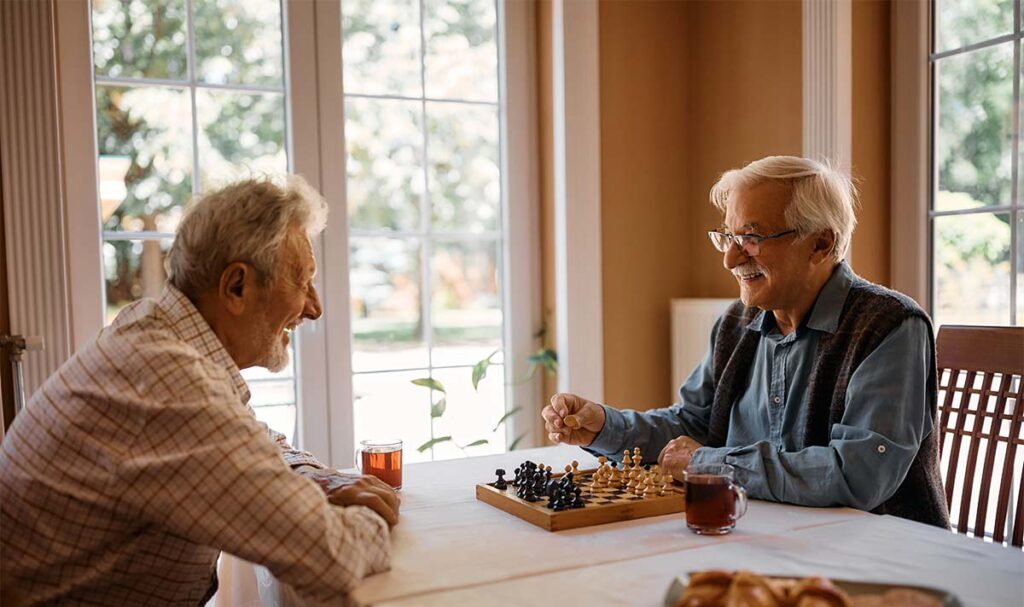
Promoting Physical and Emotional Well-being
Independence extends beyond cognitive abilities. It also encompasses physical and emotional well-being.
Encouraging individuals with Alzheimer’s or dementia to engage in regular physical activities, such as gentle exercises or walks, can improve their strength, balance, and overall health. This feature enhances their physical well-being and contributes to better mood and emotional stability.
Maintaining Social Relationships
Independence allows individuals with Alzheimer’s or dementia to maintain their social bonds, which are vital for their overall happiness and sense of belonging. By fostering independence, we enable them to participate in social activities, engage in conversations, and build relationships with their peers, caregivers, and loved ones.
These social interactions provide emotional support, reduce feelings of isolation, and promote a sense of community and connection.
While supporting independence is crucial, balancing autonomy and ensuring security is important. Dementia care communities, like The Cottage at Elk Creek, are designed to provide a secure and supportive environment where individuals can maintain their independence while receiving the necessary care and supervision.
Living in Memory Care
When you step into The Cottage at Elk Creek, you’ll immediately notice the warm and welcoming social atmosphere. Our community is designed to foster connections and meaningful interactions among residents. The soothing colors and open environment create a calming ambiance, promoting relaxation and well-being.
One unique feature of our Memory Care community is the purposeful lifework stations.
These stations are thoughtfully designed to engage residents in familiar activities and hobbies, providing a sense of purpose and fulfillment. Whether gardening, arts and crafts or simply enjoying a cup of tea, residents can access these stations, tailored to their interests and abilities.
Personalized care is a top priority at our Burleson Memory Care community. Residents have private living spaces that they can personalize with their cherished belongings, creating a sense of familiarity and comfort. Our specialized team is available round-the-clock to assist with daily activities, medication management, and unique care needs.
Cleanliness is a passion at Elk Creek, and we take pride in maintaining a clean and tidy environment. Our team diligently keeps apartments, common areas, and laundry spotless. A clean and organized space contributes to a positive living experience for residents.
How Long Do People Live in Memory Care?
The question of how long someone will live in Memory Care is difficult to answer. According to A Place for Mom, the average stay in Memory Care is two to ten years. However, it’s important to remember that every person’s journey with dementia is unique.
Some individuals may move into Memory Care during the early stages of the condition, as the active lifestyle and supportive environment can help slow memory loss. Others may wait until their care needs become too much for family members to handle.
The length of your loved one’s stay in Memory Care will largely depend on their stage of Alzheimer’s or dementia. It’s essential to consult with healthcare professionals to assess the best timing for transitioning to a community for dementia care.
Burleson and Its Surrounding Areas
Located in Johnson County, south of Fort Worth, Burleson is a vibrant city with a close-knit community. Nearby towns such as Crowley, Briaroaks, Mansfield, and Cross Timber offer a range of amenities, including shopping centers, parks, and recreational activities.
Living in Burleson provides the perfect balance between small-town charm and easy access to the metropolitan attractions of Fort Worth.
Thoughts to Keep in Mind
Choosing a Memory Care community for your loved one is a significant decision, and we understand the emotions and concerns that come with it. The Cottage at Elk Creek in Burleson offers a lively and bright living experience focused on providing personalized care and fostering meaningful connections.
We encourage you to visit our community to see how we create a warm and supportive environment for our residents. You’re not alone in this journey, and we’re here to help every step of the way.
Visit The Cottage Memory Care Community at Elk Creek
We invite you to visit Elk Creek Assisted Living and Memory Care in Burleson, Texas. Seeing our community firsthand and experiencing the warm and engaging environment will help you make an informed decision.
Our compassionate team is available to answer any questions and provide the support you need during this challenging time. Contact us to get started.