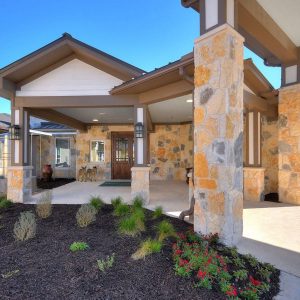
Choosing the right care for a loved one with memory loss is one of the most important decisions families face. Many people wonder about the difference between memory care and assisted living, and it’s not always clear which option provides the appropriate support for their loved one’s current needs.
Understanding these distinctions helps families make confident decisions that prioritize dignity and quality of life. You’ll discover clear definitions, specialized features, and guidance for determining the right fit for your unique situation. You’ll notice a lot of data points, so you can be aware of what to look for in a high-quality memory care community.
At Alexis Pointe Senior Living of Wimberley, we understand that this decision can feel overwhelming. Our care teams guide families through every step, providing personalized support and expertise to simplify your journey to the right care solution in Wimberley, TX.

Defining Assisted Living vs. Memory Care
If you’re exploring care options, you’re not alone. Thousands of families face similar questions every day. Understanding what memory care versus assisted living actually means is the first step toward finding the right support for your loved one.
Research shows that assisted living serves over 1,000,000 residents nationwide, while memory care specifically supports individuals with Alzheimer’s and other forms of dementia.
Each option provides distinct services designed for different needs and abilities.
What Assisted Living Provides
Assisted living is designed for seniors who need help with daily activities but don’t require intensive medical care or specialized cognitive support. This level of support focuses on maintaining independence while providing personalized assistance exactly where it’s needed.
Core Services Include:
- Assistance with bathing, dressing, and grooming
- Medication management and reminders
- Mobility support and transferring assistance
- Help with incontinence care when needed
- 24/7 caregiving teams available for support
Community-Based Living
Residents live in private apartments, often with kitchenettes and the option to bring pets. The design encourages autonomy, allowing residents to maintain their routines and personal preferences. Social activities and community engagement opportunities help residents stay connected with peers.
Dining programs offer chef-prepared meals served just like in a restaurant. Housekeeping and laundry services alleviate the burdensome tasks of daily life, while scheduled transportation enables residents to attend appointments and enjoy outings.
Who Thrives Here?
Assisted living serves seniors who need help with some daily tasks but remain largely independent. These individuals don’t have significant cognitive impairment and can navigate the community on their own. They enjoy social activities, benefit from medication reminders and meal assistance, and appreciate having support available when needed.
Understanding the difference between assisted living and memory care begins with recognizing the foundation of support for physical needs that does not require specialized cognitive programming.
What Makes Memory Care Different?
Memory care is specifically designed for individuals living with Alzheimer’s, dementia, or other forms of memory loss. This specialized care goes beyond general assistance with daily activities.
Specialized Programming and Features
Memory care offers therapeutic activities specifically designed to cater to individual cognitive abilities, rather than relying on standard social programming.
According to national data from A Place for Mom, about 91 percent of memory care programs feature wandering management systems, and 88 percent operate as secure communities. These measures protect residents without making them feel restricted.
Approximately 89 percent of these services offer support to manage restlessness, pacing, or wandering behaviors. Another 82 percent provide interventions for exit-seeking behaviors, while 50 percent offer specialized support to address anxiety, aggression, or agitation.
These statistics reveal how memory care, compared to assisted living, involves much more specialized behavioral support.
Enhanced Staffing and Training
More than three-quarters of memory care programs provide specialized training for caregivers in dementia care techniques. Higher caregiver-to-resident ratios ensure each person receives consistent, personalized attention and monitoring throughout the day and night.
Individualized care plans adapt as cognitive abilities change. Structured daily routines provide comfort through predictable patterns, while therapeutic activities offer cognitive stimulation appropriate for each resident’s current abilities.
The Memory Care Neighborhood
Memory care creates small, home-like neighborhoods within communities that feel intimate and secure. Approximately 78 percent of programs offer enclosed courtyards where residents can enjoy fresh air and nature without concern.
Color-coded walls and clear signage help residents navigate independently. Designated common areas feature calming design elements that reduce confusion and agitation. Keypad entries and other protective measures work quietly in the background, maintaining a homelike atmosphere.
This represents memory care senior assisted living at its most thoughtful, where every detail supports cognitive needs.
Key Differences at a Glance
Understanding the comparison between memory care and assisted living helps families determine which level best matches their current needs.
Layout and Design
Assisted living features apartments designed for independence with kitchenettes, personal decorating options, and homelike touches.
Memory care in senior assisted living creates secure, specially designed spaces with navigation aids, calming colors, and protective features integrated seamlessly into the community design. Living spaces include single and companion rooms.
Staffing and Training
Assisted living employs trained caregivers who provide general support with daily activities.
Memory care requires specialized dementia care training with significantly higher caregiver-to-resident ratios, ensuring individualized attention and behavioral support.
Daily Structure
Assisted living offers flexible schedules with optional activities and social programs that residents choose to join.
Memory care provides structured routines with specialized therapeutic programming specifically designed for cognitive support and engagement.
Protective Measures
Assisted living facilities typically include standard emergency response systems and general community oversight.
Memory care and senior assisted living incorporate enhanced protective features, including wandering management, secured entries and exits, and continuous monitoring by specially trained caregivers.
Services Both Assisted Living and Memory Care Provide
Despite the differences between memory care and assisted living, both include:
- 24/7 caregiving teams
- Medication management
- Housekeeping and laundry services
- Personal assistance with bathing and grooming
- Nutritious dining programs
The distinction lies in the cognitive support, specialized training, and behavioral interventions required for memory loss.
Recognizing When Memory Care Is Needed
Families often ask what the difference is between assisted living and memory care in practical terms. The answer lies in recognizing specific behavioral and cognitive changes.
Key Indicators to Watch
- Increased confusion or disorientation appears, even in familiar settings
- Wandering behaviors emerge
- Difficulty participating in activities or following simple instructions that were once easy
- Noticeable personality changes develop
- Increased anxiety, agitation, or withdrawal
- They forget to turn off appliances
- Resistance to personal care or medication routines becomes a pattern rather than an occasional occurrence
- Family caregivers experience burnout or apathy
Understanding the Transition
How to decide between assisted living and memory care comes down to an honest assessment of current abilities. Early recognition of these signs allows for proactive planning rather than crisis decision-making.
Memory care isn’t about giving up independence. It’s about gaining the appropriate level of specialized support that prioritizes dignity, well-being, and quality of life when cognitive decline impacts daily functioning.
The Cottage: Our Memory Care Approach
While national data shows that 78 percent of memory care programs provide specialized training and 78 percent offer enclosed courtyards, The Cottage at Alexis Pointe Senior Living of Wimberley exceeds these standards.
Our Philosophy
The Cottage is a small neighborhood within our community where every moment counts. Our care teams incorporate the Positive Approach to Care into our programming, ensuring residents receive truly personalized support. Our team leaders are nationally-certified dementia practitioners who bring advanced expertise to every interaction.
We actively encourage meaningful relationships between our care teams, residents, and family members. These connections allow caregivers to be more intuitive and flexible, adapting to each person’s unique needs, preferences, and life story.
Holistic Support in The Cottage
Comprehensive Medical Support:
- 24/7 on-site or on-call nursing, not just emergency response
- Specialized care in all phases of dementia, from early to advanced
- Quarterly care plan reviews ensure service remains personalized as needs evolve
Personalized Care:
- Compassionate, knowledgeable care teams on-site around the clock
- Individualized care plans guide all personal assistance
- Medication management with careful monitoring
- On-site physical, occupational, and speech therapy available when needed
Complete Services:
- Housekeeping and personal laundry service
- Scheduled transportation for appointments and outings
- Therapeutic activities designed for cognitive engagement
- Dementia-friendly menus and meal options
The Cottage provides both security and a measure of independence. This is assisted living in memory care at its finest, creating an atmosphere where residents can engage meaningfully while families gain peace of mind. We represent one of the assisted living communities with memory care that seamlessly integrates both levels.
Understanding the Investment
The cost of memory care versus assisted living reflects the specialized services, enhanced protective measures, and higher caregiver ratios required for cognitive support.
The cost of assisted living vs. memory care:
- According to CareScout, the 2024 national average for assisted living is $5,900 monthly
- SeniorLiving.org reports that the median for memory care in the U.S. is $7,785 per month in 2025, with daily costs ranging from $176 to $459 depending on the state
This difference accounts for specialized dementia training, secure spaces, therapeutic programming, and the individualized attention necessary for those with memory loss. When evaluating options, consider:
- The value of specialized programming
- Protective measures that prevent incidents
- The peace of mind knowing your loved one receives appropriate cognitive support
Many families find that the comprehensive nature of memory care actually simplifies budgeting, as nearly all services are included in a single monthly fee.