When families begin their research into specialized care, they often wonder about the memory care costs in Wimberley, TX.
According to A Place for Mom, the average monthly cost for memory care in the United States is $6,450 in 2025. For many families, this number feels overwhelming, especially when combined with the emotional weight of making care decisions for someone experiencing Alzheimer’s or another form of dementia.

Understanding Wimberley dementia care costs represents just the first step in planning for your loved one’s future.
While budget concerns are valid and important, knowing what drives these costs and what your investment actually provides helps families make informed decisions rather than choices driven by fear or urgency.
What Is Memory Care?
Memory care is specialized senior living designed specifically for individuals with Alzheimer’s dementia and other forms of memory decline. Unlike traditional assisted living, memory care communities provide protected settings with specialized programming tailored to cognitive challenges.
Memory care serves residents who need:
- Supervision and guidance throughout the day to prevent wandering or confusion
- Structured daily routines that provide comfort through predictability
- Cognitive stimulation activities designed for varying ability levels
- Support with daily activities when memory loss makes these tasks challenging
- Building designs that allow freedom of movement while providing protection
The key difference between memory care and assisted living lies in specialization.
While assisted living supports general daily needs, memory care teams receive specialized training in dementia care, communication techniques, and behavioral management strategies to help residents maintain dignity and engagement despite cognitive decline.
What Impacts the Cost of Memory Care?
Several factors influence memory care pricing, explaining why costs vary significantly between communities and regions.
Level of Support Required
Residents who need minimal assistance pay less than those who require comprehensive support. Care needs typically increase over time as dementia progresses, and communities adjust pricing based on individual assessment of daily support needs.
Geographic Location
Urban and suburban areas near Austin generally cost more than rural communities. The Texas Hill Country’s appeal and Wimberley’s proximity to Austin impact local pricing, though costs remain below those in major metropolitan areas.
Team Training and Ratios
Communities maintaining higher team-to-resident ratios charge more but provide more personalized attention. Specialized dementia training programs require investment in ongoing education.
Specialized Programming
Evidence-based memory care programs designed by experts require resources to implement. Therapeutic activities, music therapy, and sensory programs enhance quality of life but add costs.
Living Accommodations
Private apartments typically cost more than companion rooms. Protected outdoor spaces, sensory gardens, and thoughtfully designed spaces supporting cognitive function represent significant investments.
Comparing Memory Care Costs With Other Options
Understanding where memory care fits in the senior care cost spectrum helps families evaluate options.
Assisted Living
According to 2025 CareScout data, assisted living in the Austin area averages $6,750 monthly. This lower cost reflects general support rather than specialized dementia care, but assisted living typically cannot provide the supervision and programming that individuals with significant memory loss require.
Home Care
Professional in-home care averages $6,483 monthly for 44 hours per week in the Austin area. This option costs similarly to some memory care but provides fewer total care hours and no overnight supervision, social programming, or specialized dementia expertise.
Nursing Home Care
Private room nursing home care averages $8,949 monthly in the Austin area. Nursing homes serve individuals requiring skilled nursing services beyond what memory care provides.
When families compare memory care facility cost with 24-hour in-home care or nursing home alternatives, memory care often delivers better value for those whose primary need is dementia-specific support rather than skilled nursing.
Memory Care Cost in Wimberley and the Austin Area
According to Alzheimers.net, memory care in the Austin area ranges from $7,540 to $12,085 per month. This range is notably higher than the national average of $6,450, reflecting the Austin metro area’s strong economy and higher cost of living.
Wimberley’s location in the Texas Hill Country, just 40 miles southwest of Austin, positions it within this market.
While Wimberley maintains a small-town atmosphere with lower costs than central Austin, proximity to the capital city influences pricing.
Texas memory care statewide averages $6,063 monthly, but the Austin area commands premium pricing due to demand, quality healthcare access, and the region’s desirability.
What typical costs include in the Wimberley area encompass:
- 24-hour supervision in protected settings
- Specialized dementia care programming
- Assistance with daily activities
- Chef-prepared meals accommodating dietary needs
- Housekeeping and laundry services
- Medication management and coordination with healthcare providers
Our Memory Care Approach at Alexis Pointe
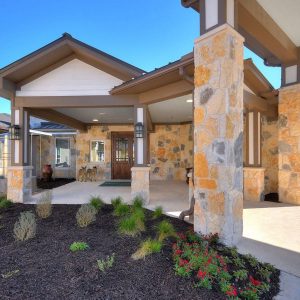
Our memory care neighborhood, The Cottage at Alexis Pointe Senior Living of Wimberley, reflects our commitment to dignity, engagement, and individualized support for residents experiencing memory loss.
Specialized Programming
The My Legacy program provides activities specifically designed for varying cognitive abilities, emphasizing what residents can do rather than focusing on limitations. Programming includes music therapy, sensory experiences, reminiscence activities, and purposeful engagement.
Our partnership with Select Rehabilitation also provides an additional layer of personalized support and engagement.
Thoughtful Design
The Cottage features apartments and common spaces supporting independence while providing security. Visual cues, familiar design elements, and accessible outdoor spaces help residents navigate their surroundings with confidence.
Comprehensive Support
We simplify the journey to memory care through partnerships with financial advisors who specialize in senior living funding strategies, connections with legal resources for estate planning needs, and ongoing family education about care approaches.
Our team members receive ongoing training in person-centered dementia care, ensuring they understand how to communicate effectively, manage behavioral challenges with compassion, and create moments of dignity.