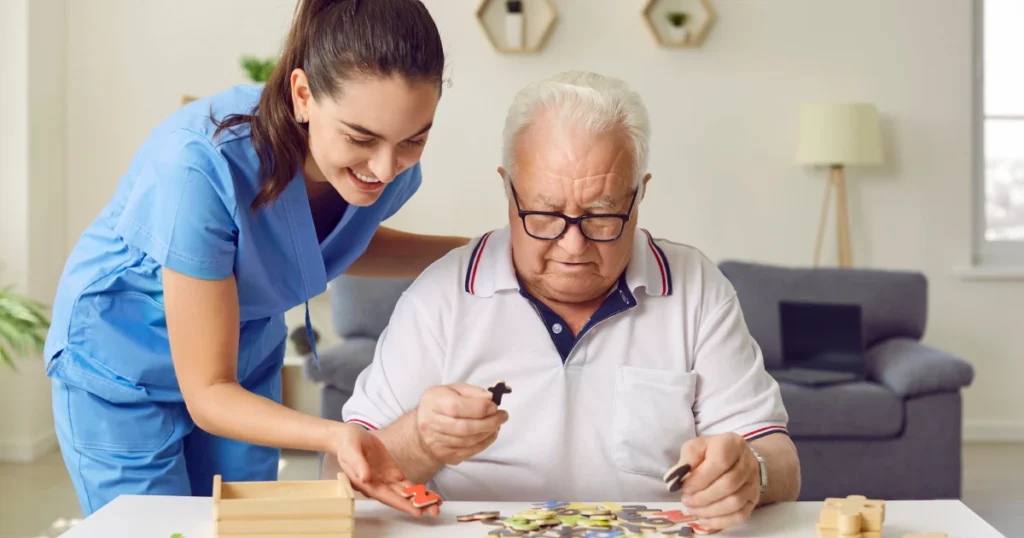
Adult children worry when their older parents get admitted to hospitals, and with good reason. While the stays are necessary for treating acute conditions, they often leave seniors feeling weaker than before admission. Research shows that seniors lose muscle mass rapidly during bed rest, and cognitive function can decline due to disrupted routines and medication changes. The transition home is a critical period that determines whether your loved one recovers fully.
You want your parent to regain independence and thrive, but the path forward feels uncertain. Clear Fork of Willow Park Assisted Living and Memory Care is about 20 minutes from Azle, Texas. Our support helps residents recover after hospital stays; after all, we’re passionate about senior health and wellness.
Whether your loved one was admitted to a hospital, recently discharged, or has not needed hospital care, we strongly recommend educating yourself about senior care after hospital discharges. Instead of settling for weakness, you can manage their return to strength!

Post-Hospital Health Decline in Seniors
During hospitalization, seniors often experience “hospital-acquired deconditioning.” This occurs when patients lose physical strength, mental sharpness, and functional abilities due to prolonged bed rest and unfamiliar surroundings.
Studies indicate that hospitalized seniors lose up to 5% of their muscle mass for each day of bed rest. Cognitive changes can occur within 24-48 hours, particularly in patients with pre-existing conditions like dementia. Sleep disruption, medication side effects, and reduced nutrition intake compound these issues.
Our Willow Park caregivers have witnessed those symptoms in seniors after hospitalizations at area facilities, not due to the hospital itself, but because clinical settings can often intensify these symptoms. Attentive, after-hospital care for the elderly can address those concerns: recognizing risks allows families to implement targeted interventions that work.
Comprehensive After-Hospital Care Helps Older Adults
Senior care after a hospital discharge begins before your loved one leaves the medical facility and continues when they get home. Here are some tips to stay ahead of everything:
- Request a detailed discharge planning meeting with the hospital’s social worker, discharge planner, and primary nurse.
- Ask specific questions about medication changes, dietary restrictions, physical limitations, and warning signs that require immediate medical attention.
- Don’t rush the discharge process; important details can be forgotten during stressful transitions.
- Request written instructions for medication administration, wound care, physical therapy exercises, and follow-up appointments.
Consider arranging a home safety assessment before discharge. Occupational therapists can identify potential hazards and recommend modifications like grab bars, raised toilet seats, or improved lighting. These simple changes prevent falls and increase confidence during recovery.
Building Your Support Network
Hospitals in Azle, Texas employ social workers who help patients and families ease transitions following discharges. They know that admission recovery success depends on having the right team and resources in place. Your support network can include healthcare professionals, family members, and professional caregivers.
Start by scheduling follow-up appointments with your parent’s primary care physician within 72 hours of discharge. Ask if they recommend physical therapy—that’s ideal for rebuilding strength and preventing future hospitalizations. Occupational therapy helps restore daily living skills like cooking, bathing, and managing medications safely.
Don’t overlook the importance of social connections during recovery, as isolation can worsen depression and slow healing. Arrange regular visits from friends and family members, and consider adult day programs or senior center activities once your loved one regains sufficient strength.
The Role of Nutrition and Medication Management in After-Hospital Care
Proper nutrition plays a leading role in post-hospital recovery—Clear Fork prioritizes freshly prepared food for specific diet restrictions and patient preferences. Work with a registered dietitian to develop a meal plan that promotes healing and accommodates any new dietary restrictions.
Medication management also requires careful attention after hospitalization. Changes to prescriptions are common, and confusion can lead to dangerous errors. Organize medications using weekly pill organizers and create detailed schedules. Call the pharmacy; many offer pre-packaged medications or systems that send alerts.
Monitoring Progress and Warning Signs
Another component of after-hospital care for the elderly is vigilant monitoring for complications or setbacks. Create a simple tracking system to record daily observations about appetite, sleep patterns, pain levels, and mood changes. This information helps healthcare providers make decisions about treatment adjustments.
Lastly, learn to recognize warning signs that require immediate medical attention. These include difficulty breathing, chest pain, severe confusion, falls, inability to urinate, or signs of infection like fever or unusual fatigue. Don’t hesitate to contact healthcare providers with concerns—early intervention prevents minor issues from becoming major problems.
Professional Care Options
Sometimes family members cannot provide the level of support needed for optimal recovery. Professional care options range from occasional home health visits to full-time residential care at communities like Clear Fork.
Our signature senior health and wellness program, My Wellness, is at the heart of our efforts. It combines the talents and backgrounds of our wellness team, third-party health care professionals, and family members. We find our My Wellness programming to be the most effective way to design individualized care plans, with tailored services and the latest technology. These plans aren’t static: We update them as needed to accommodate changing needs.
The weeks following hospitalization represent challenges and opportunities. While seniors face real risks during this vulnerable period, families who plan carefully can help their loved ones achieve remarkable recoveries.
Clear Fork Supports Seniors With Holistic After-Hospital Care
Our experienced team provides personalized care plans, medication management, physical therapy coordination, and 24-hour support that helps seniors recover in comfort. With beautiful accommodations and compassionate caregivers, we bridge the gap between hospital discharge and full independence. Contact us to schedule a tour and see how we can support your family during this important transition.