When families search for ways to keep older adults busy, they often discover a crowded landscape of activity calendars, daily schedules, and endless programming options. Yet many older adults remain disengaged despite these efforts.
The problem isn’t a lack of activities. The problem is that most programs prioritize volume over what actually matters:
- Identity
- Choice
- Personal relevance
Understanding how to keep elderly parents busy requires recognizing a fundamental truth:
- Bingo isn’t enrichment if it doesn’t mean something to the person playing
- A book club isn’t stimulating if someone attends out of obligation rather than interest
- Calendar-stuffing creates the appearance of engagement without delivering actual fulfillment
Physical and social activities are essential, but the most effective approaches to keeping seniors busy start with a different question entirely. Instead of asking “what activities can we offer,” successful programs ask “what gives this person meaning, purpose, and joy?”
Why Volume-Based Programming Fails to Keep Seniors Engaged
Traditional approaches to keeping elderly parents busy often follow a predictable pattern.
Communities and families create packed schedules filled with standard activities:
- Morning exercise
- Afternoon crafts
- Evening entertainment
The calendar looks impressive, participation numbers seem adequate, yet something crucial is missing.
Research on senior engagement reveals that gains in social activity depend heavily on perceived rewards and meaning. Simply being socially involved doesn’t guarantee benefit.
Many individuals participate in activities without proactively selecting options truly suited to their goals, interests, or identities.
Consider the typical scenario. A community offers chair yoga, trivia, crafts, and movie nights.
These activities check boxes and fill time slots. But they rarely connect to individual passions, life histories, or personal aspirations. Attendance becomes routine rather than enriching.
Participation feels obligatory rather than purposeful.
This volume-based approach misses what actually drives engagement. Older adults don’t need more activities. They need activities that matter to them personally.
What Actually Creates Meaningful Engagement
The most successful ways to keep older adults busy involve them in planning and decision-making. When residents help shape programming, participation increases naturally. People attend activities they helped create because those activities reflect their actual interests and preferences.
Meaningful engagement requires understanding identity:
- A former teacher may find purpose in tutoring local students
- A lifelong gardener craves time with plants, not generic crafts
- Someone who loves sailing wants water-related activities, not just any outdoor option
- An accomplished musician needs opportunities to play, not just listen to performances
Choice matters equally. Offering 10 predetermined activities still limits autonomy if none resonate with individual interests. True choice means residents can pursue passions that reflect their unique identities, even if those passions aren’t common across the broader community.
Relevance connects activities to current goals and life stages. Some older adults seek intellectual stimulation through learning new skills, while others prioritize social connection through shared interests. Many want to maintain existing abilities or adapt beloved hobbies to changing physical capabilities. Programs that ignore these varied motivations fail regardless of the quantity offered.
How to Keep Senior Parents Busy at Different Care Levels
Keeping seniors busy looks different depending on their support needs and living situations.
Active and Independent Seniors
Highly active older adults often seek challenge and growth rather than simple entertainment.
Things to keep seniors busy at this level include:
- Learning new skills like languages, instruments, or technology
- Teaching others through mentoring, tutoring, or leading workshops
- Community involvement through volunteering or advocacy
- Physical pursuits adapted to current abilities like hiking groups, swimming, or dance
- Creative endeavors including writing groups, art classes, or theater
- Travel and exploration within individual comfort levels
The key is providing opportunities that honor their capabilities and aspirations rather than assuming they want to slow down.
Seniors Needing Assisted Living Support
Older adults requiring assistance with daily activities still crave purpose and engagement. Ways to keep older adults busy in assisted living settings focus on maintaining independence while providing necessary support:
- Adaptive hobbies that accommodate physical limitations
- Social clubs centered on shared interests rather than generic programming
- Intergenerational activities connecting seniors with younger community members
- Purposeful tasks like planning events, welcoming new residents, or serving on resident councils
- Wellness programs tailored to individual abilities and health goals
- Cultural outings and entertainment matched to personal preferences
The emphasis shifts from physical ability to meaningful participation.
Memory Care Residents
Keeping elderly parents busy when dementia affects cognition requires specialized approaches.
Effective programming at this level includes:
- Sensory experiences tailored to individual responses and histories
- Music therapy incorporating personally meaningful songs
- Reminiscence activities using life history information
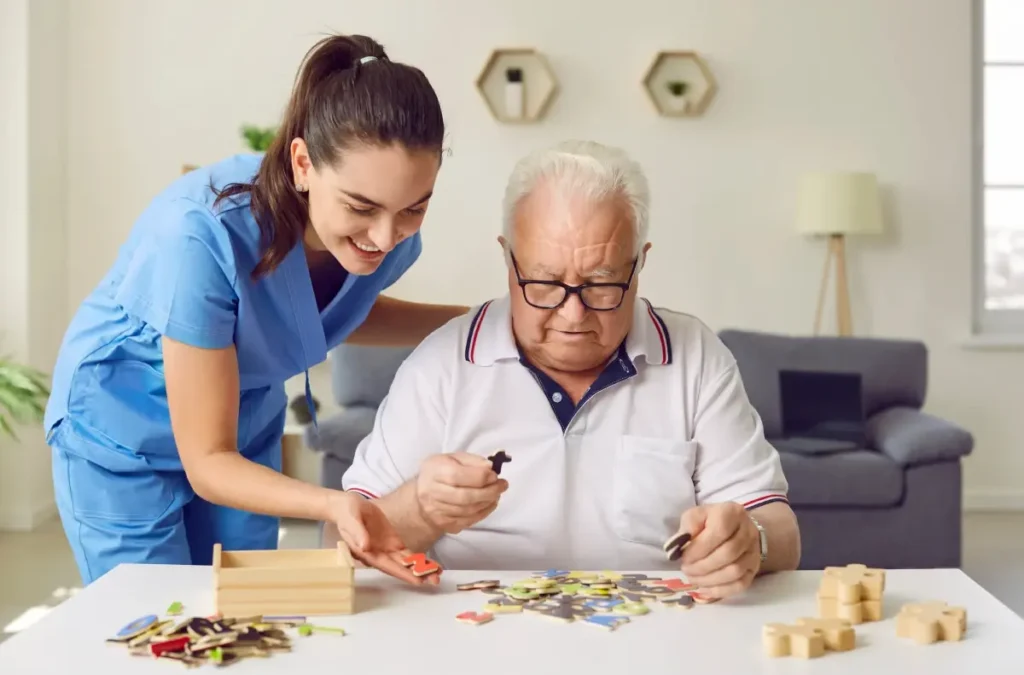
- Simple, repetitive tasks that provide satisfaction without frustration
- Movement and physical activity adapted to cognitive and physical abilities
- Social interaction in small groups or one-on-one settings
Success means honoring the person’s remaining abilities while creating moments of connection and joy.
How Senior Living Communities Support Meaningful Engagement
Senior living communities designed around resident identity rather than generic programming create fundamentally different experiences. At Civitas Senior Living, the Passion Program represents this philosophy in practice.
The program begins with understanding each resident as an individual. This approach recognizes that keeping seniors busy requires more than filling calendars. It requires knowing what gives each person purpose:
- A former chef might find meaning in sharing recipes or teaching cooking demonstrations
- Someone who loves gardening engages through the Green Thumb Club
- Creative individuals thrive in Art Throbs Club sessions
The signature Miracle Moments program builds on this philosophy. Rather than offering standard entertainment, communities help residents fulfill personal dreams and goals. These individualized experiences create meaning that generic programming cannot match.
Team members receive training in person-centered engagement, understanding that their role involves facilitating meaningful experiences rather than simply running scheduled activities. This shift from volume to relevance transforms how communities approach keeping older adults engaged and satisfied.
Frequently Asked Questions
The best activities connect to individual identity, interests, and goals rather than following generic programming. Former hobbies adapted to current abilities, learning opportunities aligned with curiosity, social connections around shared interests, and purposeful tasks that provide meaning all engage seniors more effectively than volume-based calendars.
Start by understanding what gave them purpose and joy throughout life. Consider their professional background, hobbies, values, and aspirations. Involve them in planning and decision-making. The most engaging activities reflect personal identity rather than age-based assumptions about what seniors should enjoy.
Quantity doesn’t equal engagement. Many older adults attend activities out of obligation without finding personal meaning. If programming doesn’t connect to individuals’ interests, identities, or goals, participation feels empty, regardless of how many options there are.
Well-designed communities prioritize identity, choice, and relevance over volume. They involve residents in planning, offer diverse programming that honors individual differences, and provide team support for participation. However, not all communities follow this approach. Choosing communities that emphasize personalization over calendar-stuffing makes the difference.
Creating Engagement That Actually Matters
Keeping seniors busy requires moving beyond the outdated model of packed activity calendars and generic programming. The most meaningful engagement happens when communities and families prioritize what matters to the individual over what’s convenient to schedule.
When activities reflect identity, honor preferences, and connect to purpose, participation becomes natural rather than forced. Satisfaction increases not because schedules are fuller but because time spent feels worthwhile.
Discover Person-Centered Senior Living
If you’re seeking communities that understand keeping seniors busy means more than filling calendars, Civitas Senior Living communities prioritize individual identity and meaningful engagement.
Contact us today to learn how our Passion Program creates experiences that truly matter.