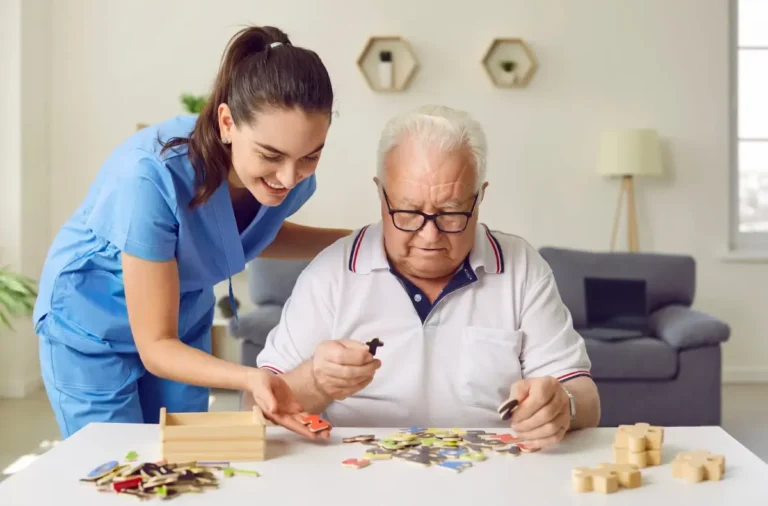
Arthritis is a broad term that covers more than 100 different conditions affecting joints and surrounding tissues. This common health issue impacts millions of Americans, causing pain, stiffness, and reduced mobility.
While any chronic health condition can impact day-to-day life, arthritis comes with its own set of challenges that require a comprehensive management approach.
Understanding the nature of this condition will empower you to make informed decisions about your care. With the right strategies, medical support, and lifestyle changes, coping with arthritis becomes more manageable. You can take control of your symptoms and maintain an active, fulfilling life.

At Long Creek, we are dedicated to simplifying the journey to senior living. That includes providing resources to help families and older adults at home.
Understanding Different Types of Arthritis
Not all arthritis types are the same. The type of arthritis you have determines your symptoms, treatment options, and long-term outlook. Understanding these differences helps you work better with your healthcare team.
Osteoarthritis is the most common form of arthritis. It occurs when the protective cartilage that cushions joints wears down over time. This condition typically affects weight-bearing joints like hips and knees, as well as hands and spine. Joint damage happens gradually, often starting with minor aches that worsen over the years.
Rheumatoid arthritis is fundamentally different. This autoimmune disease occurs when your immune system attacks healthy tissue in your joints. Rheumatoid arthritis (RA) typically affects small joints in the hands and feet first, though it can spread to larger joints.
Unlike osteoarthritis, RA causes inflammation throughout the body and can affect connective tissue, organs, and other body systems.
Several factors increase your risk of developing arthritis. Age is the biggest risk factor for osteoarthritis, while family history plays a role in both types. Previous joint injuries, obesity, and certain infections can also contribute to joint problems. Women are more likely to develop rheumatoid arthritis, especially between the ages of 40 and 60.
Recognizing Symptoms of Arthritis
Early recognition of arthritis symptoms helps you seek appropriate care before joint damage becomes severe. Different types of arthritis present unique warning signs, though some symptoms overlap.
Common osteoarthritis symptoms include:
- Joint pain that worsens with activity
- Morning stiffness lasting less than 30 minutes
- Reduced range of motion in affected joints
- Bone spurs around joints
- Grinding sensation during movement
Rheumatoid arthritis symptoms often include:
- Painful joint swelling in small joints
- Morning stiffness lasting over an hour
- Fatigue and low-grade fever
- Symmetrical joint involvement (both hands, both feet)
- Warmth and redness around joints
See an arthritis doctor if you experience persistent joint pain, swelling, or stiffness that interferes with daily activities. Early diagnosis and treatment can prevent irreversible joint damage and help maintain your quality of life.
How to Cope with Arthritis
Managing arthritis requires a multi-faceted approach that combines medical care, lifestyle changes, and daily adaptations. No single treatment works for everyone, so finding the right combination takes time and patience.
Building Your Healthcare Team
Your health care team should include specialists who understand arthritis. A rheumatologist specializes in autoimmune conditions like RA, while orthopedic doctors focus on joint mechanics.
An occupational therapist can teach you joint protection techniques and recommend helpful devices.
Physical therapists design exercise programs that strengthen muscles around affected joints without causing additional damage. They also teach proper body mechanics to reduce joint stress during daily activities.
The Role of Physical Activity
Regular physical activity is one of the most effective ways to manage arthritis symptoms. Exercise strengthens muscles that support your joints, improves flexibility, and reduces stiffness.
Many people worry that exercise will worsen joint damage, but research shows the opposite is true.
Low-impact activities work best for most people with arthritis:
- Swimming and water aerobics reduce joint stress while building strength
- Walking improves cardiovascular health and maintains bone density
- Gentle yoga or tai chi enhances flexibility and balance
- Strength training with light weights supports joint stability
Start slowly and gradually increase activity levels. Listen to your body and adjust your routine during flare-ups. Some chronic pain is normal, but sharp or severe pain signals you should stop and rest. Always ask your doctor before starting a new exercise program.
Weight Management for Joint Health
Maintaining a healthy weight significantly reduces stress on weight-bearing joints. For every pound of body weight, your knees experience three to four times that pressure during walking. Weight loss of just 10-15 pounds can dramatically reduce pain in the hips and knees.
Work with your healthcare team to develop a safe weight loss plan. Focus on nutrient-dense foods that fight inflammation rather than restrictive diets that are hard to maintain long-term.
Arthritis Pain Relief Options
Effective pain management often requires multiple approaches. Your doctor may recommend medications like anti-inflammatory drugs or disease-modifying treatments for RA. Topical creams can provide localized pain relief without systemic side effects.
Complementary therapies can supplement medical treatments:
- Heat therapy relaxes stiff muscles and joints
- Cold therapy reduces inflammation and numbs pain
- Massage improves circulation and reduces muscle tension
- Acupuncture may help some people manage chronic pain
Helpful Tools and Sleep Solutions for Arthritis
The best mattress for seniors with arthritis provides proper spinal alignment and pressure point relief. Memory foam or hybrid mattresses often work well, but personal preference matters most. Test different firmness levels to find what reduces your morning stiffness.
The best tools for managing arthritis include jar openers, ergonomic kitchen utensils, and reachers that extend your grasp. Button hooks and zipper pulls help with dressing. Gadgets for seniors with arthritis, like electric can openers, lever-style door handles, and built-up writing tools, reduce joint strain during daily tasks.
These adaptive devices help maintain independence while protecting your joints from unnecessary stress.
Protecting Your Joints Daily
Simple changes to daily routines can prevent additional joint damage and reduce pain. Use larger, stronger joints when possible. Carry bags with your forearms instead of gripping with fingers. Choose tools with built-up handles that are easier to grip.
Pace yourself throughout the day. Alternate heavy tasks with lighter activities, and take breaks before you become tired or sore. Planning ahead helps you conserve energy for activities that matter most to you.
Final Thoughts: Living Well with Arthritis
How to cope with arthritis depends on your specific situation, but certain principles apply to everyone:
- Stay educated about your condition and treatment options.
- Join support groups where you can learn from others facing similar challenges.
- Maintain open communication with your healthcare team.
- Report changes in symptoms, medication side effects, or new concerns promptly.
- Keep a symptom diary to help identify patterns and triggers.
Managing arthritis is a lifelong journey, but it doesn’t have to define your life. With proper medical care, lifestyle modifications, and a positive outlook, you can continue enjoying activities that bring you joy and maintain your independence.
Remember that coping with arthritis improves with time as you learn what works best for your body. Stay patient with yourself as you adapt to new routines and treatments. Many people with arthritis live active, fulfilling lives well into their later years.
Find Support Managing Arthritis Near You
If you or a loved one is living with arthritis, personalized support is available. Contact us to learn how senior living in Sunnyvale, TX can help.