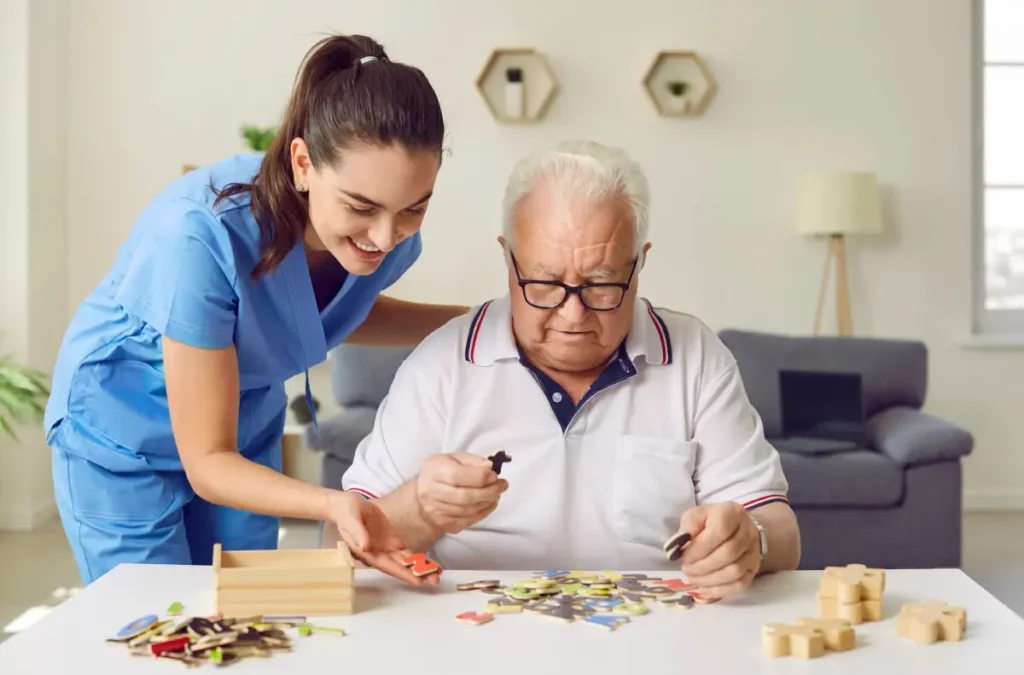
The holidays amplify a feeling many older adults carry throughout the year. According to a 2024 poll from the American Psychiatric Association, 30 percent of adults experience loneliness at least weekly, while 10 percent feel lonely every single day.
For seniors, these numbers tell an even more concerning story about isolation and its profound impact on well-being.
What do seniors need the most during the holidays and beyond? The answer isn’t complicated: meaningful connection, a sense of belonging, and opportunities to gather with others who understand their experiences.

At StoneCreek of Flying Horse Senior Living, we recognize that combating loneliness in seniors requires more than activities on a calendar. It demands intentional community building, genuine relationships, and programming designed to create the family-style celebrations that reduce isolation and bring authentic joy. Everything we do is to simplify the journey to senior living.
Downloadable Resources: Better Together
Built-in friendship and more activities are often overlooked benefits of senior living. Download and print our free resource guides to better understand what sets us apart.
Understanding Senior Loneliness Statistics
The numbers reveal a crisis that deserves attention. Single adults experience loneliness nearly twice as often as married adults, with 39 percent reporting weekly loneliness compared to 22 percent of married individuals.
A National Poll on Healthy Aging found that certain groups face dramatically elevated risks:
- Among seniors rating their mental health as fair or poor, 75 percent experience loneliness
- Those with fair or poor physical health show 53 percent loneliness rates
- Those not working or receiving disability income report 52 percent
These rates are double or even triple the loneliness experienced by older adults with good or excellent health who remain working or retired. The correlation between health status and social connection reveals how deeply intertwined physical, mental, and social well-being truly are.
What Services Do Seniors Need Most?
The Centers for Disease Control and Prevention (CDC) defines loneliness as “feeling like you do not have meaningful or close relationships or a sense of belonging.” This definition helps explain what to do about loneliness: the solution requires more than occasional social contact.
Seniors need consistent opportunities for genuine connection. They need communities where relationships develop naturally through shared experiences, where their contributions matter, and where they feel seen and valued as individuals.
Research published in “Social Isolation and Loneliness in Older Adults” reveals the urgency:
- Social isolation increases dementia risk by approximately 50 percent
- Among heart failure patients, loneliness associates with 68 percent increased hospitalization risk and 57 percent increased emergency department visits
- Poor social relationships correlate with 29 percent increased coronary heart disease risk and 32 percent increased stroke risk
These aren’t just statistics about feelings of sadness and loneliness. These numbers represent serious health consequences requiring preventative intervention.
How Much Socialization Do Seniors Need?
The question of how much socialization seniors need doesn’t have a one-size-fits-all answer, but chronic loneliness indicates insufficient connection. Loneliness in older adults stems not from quantity of interaction but quality of relationships.
Meaningful socialization includes:
- Regular opportunities for conversation and companionship
- Activities matching interests and abilities
- Intergenerational connections spanning age groups
- Chances to contribute and feel useful
- Celebrations marking life’s important moments
Living alone, loneliness particularly affects seniors who’ve lost spouses or relocated away from established social networks. Loneliness in retirement often surprises those who anticipated enjoying newfound freedom but instead feel disconnected from purpose and community.
The Side Effects of Loneliness
Understanding loneliness and health connections helps families recognize warning signs.
Beyond the cardiovascular and cognitive risks mentioned earlier, chronic loneliness contributes to:
- Depression and anxiety
- Weakened immune system function
- Poor sleep quality
- Increased inflammation throughout the body
- Accelerated cognitive decline
Senior isolation and loneliness don’t just make someone feel sad. They fundamentally compromise physical health and accelerate aging processes. This makes loneliness support for seniors not a luxury but a health necessity.
How Seniors Cope with Loneliness
Learning how seniors cope with loneliness reveals both challenges and opportunities. Many older adults struggle with asking for help or admitting they feel isolated. Some cope through television or online activities that provide distraction but not genuine connection.
Others find elderly loneliness solutions through volunteering, joining clubs, or attending community programs. The most effective approaches involve regular, structured opportunities for interaction combined with the flexibility to participate at comfortable levels.
Coping with loneliness as an older adult becomes easier when the environment naturally facilitates connection rather than requiring significant effort to seek it out.
Loneliness During the Holidays
How to deal with holiday loneliness presents unique challenges.
Holidays emphasize family gatherings and traditions, making those without nearby relatives feel isolation more acutely. Memories of past celebrations with loved ones who’ve passed can intensify feelings.
Loneliness during the holidays requires proactive intervention. Successful approaches include:
- Creating new traditions within communities
- Organizing family-style celebrations and including friends
- Planning special events giving seniors something to anticipate
- Encouraging family involvement through welcoming events
The holidays shouldn’t be a time for struggling with loneliness but for creating new memories and connections.
Programs That Make a Difference
Effective loneliness programs share common characteristics:
- They happen regularly
- They create natural opportunities for relationship building
- They honor individual preferences and abilities
- They facilitate both structured activities and spontaneous interactions
At StoneCreek of Flying Horse, our approach to solving loneliness among seniors centers on intentional programming designed to foster genuine connection and belonging.
Daily Connection Opportunities in Senior Living Near You
Our Passion Program brings residents together through activities matching their interests. Whether through arts and crafts, fitness classes, book clubs, or game nights, these daily gatherings create consistent touchpoints for friendship development.
Physical Health
Evidence-based brain and fitness workouts bring residents together through chair exercises and movement, proving that staying active doesn’t mean exercising alone. Our therapy partners help personalize wellness programs so residents have the strength and confidence to be more social.
Communal Dining Experiences
Food truly is family. Our dining program and seasonal menus connect residents through delicious meals, themed events creating anticipation and excitement, and family-style seating encouraging conversation.
Sharing meals transforms eating from a solitary necessity into a social experience fostering relationships.
My Miracle Moment Celebrations
Our signature celebration brings families and friends together to honor residents’ passions through special events. These personalized gatherings recognize what makes each person unique while creating opportunities for loved ones to participate in community life.
Volunteer and Outreach Opportunities
Residents engage with surrounding communities through volunteering and charity events. Contributing to causes larger than themselves provides purpose while connecting with others who share values.
Intergenerational Programming
Connections spanning age groups benefit everyone involved. Our intergenerational activities bring children and young adults together with residents, creating energy, joy, and mutual appreciation.
Family Night and Group Outings
Regular family nights welcome relatives into community life, while group outings explore local attractions together. These experiences combat living alone loneliness by ensuring no one faces isolation even when family lives far away.
Thanksgiving and Holiday Celebrations
We transform potentially difficult holiday seasons into joyous gatherings. Our Thanksgiving celebrations and seasonal events create family-style warmth where everyone belongs.
These aren’t just programs on paper. They’re daily realities creating the cure for senior loneliness through genuine relationships, consistent connection, and communities where everyone belongs.
Frequently Asked Questions
What do seniors need the most to combat loneliness?
Seniors need consistent opportunities for meaningful connection, a sense of purpose and contribution, relationships with people who share similar life stages, family-style celebrations and traditions, and communities designed to naturally facilitate interaction rather than requiring effort to seek it out.
How do you know if a senior is experiencing chronic loneliness?
Warning signs include withdrawal from previously enjoyed activities, changes in sleep or eating patterns, increased physical complaints, lack of motivation or interest, and expressions of feeling useless or burdensome. Physical health decline can also signal social isolation.
Can loneliness really affect physical health?
Yes. Research shows loneliness increases dementia risk by 50 percent, elevates hospitalization risk for heart failure patients by 68 percent, and raises coronary heart disease risk by 29 percent. Chronic loneliness compromises immune function and accelerates cognitive decline.
How to overcome loneliness in retirement?
Successful strategies include joining communities with built-in social opportunities, maintaining regular schedules, creating routine interactions, pursuing interests and hobbies in group settings, volunteering or contributing to causes, and staying connected with family through welcoming community events.
What makes senior living effective at reducing isolation?
Quality senior living provides daily opportunities for natural connection, eliminates barriers like transportation or meal preparation that contribute to isolation, creates family-style atmospheres where relationships develop organically, and designs programming specifically addressing loneliness through evidence-based approaches.
Discover Community: Better Together
If you’re concerned about a loved one experiencing loneliness in senior citizens or wondering how to fight loneliness in your own life, we invite you to experience what intentional community feels like.
Tour StoneCreek of Flying Horse and see residents laughing together over meals, creating art side by side, celebrating life’s moments, and supporting one another through challenges. Meet our compassionate team members who know each resident by name and understand their stories.
Discover how ways to overcome loneliness include choosing communities explicitly designed to foster belonging, where aging and loneliness don’t go hand in hand, and where every day offers opportunities for connection and joy.
Contact us today to schedule your personal tour. Let us show you how community transforms what to do for loneliness from a question into an answer: gather together.