
An Educational Look at What Seniors and Families Should Know About Mealtimes
When considering senior living, one common worry for older adults and family members is: Will the food be good? Dining may seem like a small detail, but it plays a big role in quality of life.
For many families, it’s one of the first questions they ask when touring a community.
At Clear Fork of Willow Park Senior Living, a Civitas Senior Living community, we understand that dining is about more than nutrition. It’s about familiarity, flavor, and helping residents feel like themselves.
While we could chat all day about our signature senior dining program, we would like to explore the broader role of nutrition, choice, and routine in aging well. Discover how we simplify mealtimes and make them more enjoyable through our Nourish to Flourish philosophy.
The Role of Nutrition in Senior Health
As people age, nutritional needs change. Older adults often require fewer calories, but their need for vitamins, minerals, and protein increases.
Eating the right meals supports physical health and helps maintain cognitive function. Poor nutrition, on the other hand, can contribute to:
- Fatigue
- Weight loss
- Weakened immunity
- Difficulty managing chronic conditions
In fact, according to the Nutrition and Aging Resource Center, nearly one in four older adults is at risk of malnutrition. Changes in appetite, medical issues, medication side effects, or lack of meal support are all contributing factors.
This is why having reliable, consistent senior dining options is crucial, especially when older adults can no longer easily shop, plan, or cook for themselves. Nutritious meals are a significant factor in senior care.
Understanding Senior Nutritional Needs
A thoughtful senior dining program will go beyond simply serving food. It will consider:
- Protein Needs: Essential for muscle and bone health
- Fiber Intake: Supports digestion and blood sugar levels
- Hydration: Older adults may not feel thirst as easily, putting them at risk of dehydration
- Key Nutrients: Calcium, vitamin D, B12, and potassium help prevent complications and support longevity
- Smaller Portions: Aging bodies often digest food more slowly; meals need to be satisfying but not overwhelming
Menus for seniors should also be visually appealing and easy to chew and digest. Modifications for texture or portion size may be required, depending on individual preferences and abilities.
The Role of Social Dining
Sitting down to a meal is about more than just nutrition. It’s also about routine, comfort, and community.
For older adults, especially those who live alone, mealtime can become an isolating part of the day. This is a health concern as well — loneliness has been linked to higher rates of depression and illness.
Shared meals in a senior living setting provide:
- Opportunities for social engagement
- A predictable and calming routine
- Positive peer support for better food intake
- Increased satisfaction and enjoyment of meals
A welcoming dining environment with heart-healthy meals can make a noticeable difference in someone’s overall wellness.
Accommodating Dietary Restrictions
Today’s senior dining menus must reflect a wide range of health conditions and dietary needs. These may include:
- Diabetes: Managing sugar and carbohydrate intake
- Heart Conditions: Lowering saturated fat and sodium
- Celiac Disease or Gluten Intolerance: Gluten-free offerings
- Vegetarian or Religious Restrictions: Flexible protein alternatives
Older adults are more likely to take multiple medications, which can affect appetite, taste, and digestion. A dining program that offers real-time flexibility and attention to these needs is more likely to support nutritional status and help residents feel well.
Seasonal Eating for Seniors
One way to boost nutrition without making drastic changes is to adopt a seasonal eating approach. Using local, in-season ingredients often leads to:
- Fresher, more flavorful meals
- Improved nutrient quality
- More varied and enjoyable menus
Produce picked at peak ripeness is more nutrient-dense. Communities that shop locally, including at farmers markets, can bring a variety of food and flavor into their senior dining menus while supporting the local food economy.
What Sets Quality Senior Dining Apart
Families touring senior communities may be shown sample menus, but those don’t always reflect the real experience. A quality senior living dining menu should be:
- Rotating and seasonally updated
- Prepared on-site by trained chefs
- Adjusted daily based on resident feedback
- Focused on choice, not repetition
In contrast, some dining programs rely on pre-packaged meals or limited options. Mealtime should never feel institutional or impersonal.
Look for communities that:
- Offer bistro-style dining environments
- Serve fresh meals at the table (not cafeteria-style)
- Let residents choose meals daily
- Invite input from residents and families
These are signs that the dining program is thoughtfully designed for older adults, not just managed for efficiency.
Nourish to Flourish
Food feeds the body and the soul. Several key factors must be considered when evaluating a senior living dining program to ensure it meets your nutritional needs and taste preferences. Download our guide and menu to ensure you choose a community that leads to flourishing wellness.
The Civitas Dining Difference: Nourish to Flourish
At Clear Fork of Willow Park Senior Living, our senior living dining menus are designed to support both health and happiness. We follow a philosophy called Nourish to Flourish, rooted in the belief that food supports not only physical health, but also helps people feel like themselves.
How We Compare to Other Senior Living Communities
While other communities may offer basic meal service, our approach goes further. Many senior living facilities rely on pre-packaged meals or limited rotating menus that can become repetitive.
In our community, we focus on fresh preparation and resident choice.
Other senior living communities often provide:
- Standard institutional-style dining
- Limited menu options that may rotate weekly or monthly
- Minimal customization for dietary needs
- Basic nutrition without focus on brain health
We deliver:
- Chef-prepared meals using fresh, seasonal ingredients
- Daily menu choices, including our signature “Chef Selections”
- Specialized MINDful Menu based on Mediterranean diet principles
- Personalized attention to individual dietary requirements
Our chefs actively source ingredients from local farmers markets, bringing the freshest seasonal produce directly to our kitchens. This farm-to-table approach means residents enjoy peak-flavor ingredients while supporting the local community. When tomatoes are at their ripest in summer or apples are fresh in fall, our menus reflect these seasonal bounties.
We design every meal to promote brain and body wellness. Our seasonal menus reflect the meals our residents actually enjoy, and they change based on what’s available locally and what residents request.
More Than a Menu: Engaging Dining Programs at Civitas
Our dining experience extends beyond the plate. Civitas communities offer interactive food-related programming through our My Food initiatives, which include:
- My Recipe: Residents submit family recipes that become part of our menus
- Themed Dinners: Celebrations that bring culture and fun to the table
- Cooking Demonstrations: Residents can watch or assist with food prep
- Seasonal Sips: Non-alcoholic drink tastings using fresh herbs and fruits
- My Birthday Meal: Residents select a favorite meal to enjoy on their birthday
We also feature a MINDful Menu, based on the Mediterranean diet, which includes lean proteins, healthy fats like olive oil, and ingredients shown to reduce cognitive decline.
Dining Designed for Comfort and Community
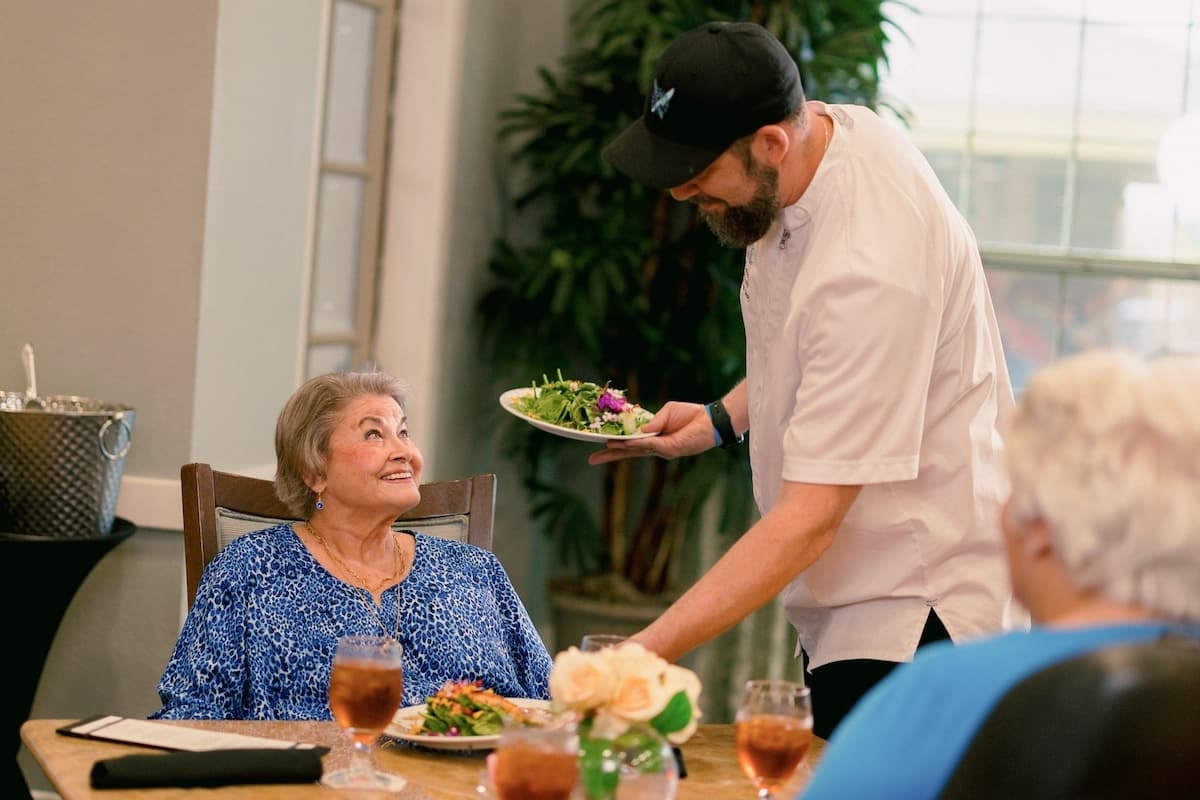
Each Civitas community offers restaurant-style service in a bistro-inspired space. Residents choose where to sit, what to eat, and enjoy conversation without feeling rushed. Our team provides assistance discreetly, encouraging independence and dignity.
Whether someone is managing dietary restrictions or simply wants a satisfying, fresh meal, our culinary team is prepared to meet those needs every day.
Frequently Asked Questions About Dining With Us
Do you accommodate special dietary needs?
Yes, our culinary team works with residents to accommodate diabetes, heart-healthy diets, gluten-free needs, and other dietary restrictions. We also offer texture-modified meals when needed.
How often do your menus change?
Our seasonal menus change quarterly to reflect fresh, local ingredients. We also offer daily "Chef Selections" and incorporate resident recipe requests through our "My Recipe" program.
Can residents eat meals in their apartments?
While we encourage social dining in our restaurant-style spaces, we can accommodate room service when needed for health or personal reasons.
What is the MINDful Menu?
Our MINDful Menu features Mediterranean diet-inspired dishes with lean proteins, healthy fats like olive oil, and ingredients shown to support cognitive health and reduce cognitive decline.
Do you use local ingredients?
Yes, our chefs regularly shop at local farmers markets to source the freshest seasonal produce, supporting both flavor and our local community.
Can family members join residents for meals?
Absolutely! Family members are welcome to dine with residents. We encourage families to schedule complimentary meals during visits to experience our dining program firsthand.
Enjoy Complimentary Lunch in Willow Park & We’ll Show You Around Our Community
If you’re researching menus for seniors or wondering how senior living dining actually works, we invite you to visit Clear Fork of Willow Park Senior Living in Willow Park, TX. Nothing tells the story better than sitting down for a meal.
Our complimentary lunch is an opportunity to see our dining program in action. Ask about our current seasonal menu, see how residents interact at meals, and meet the chefs and team members who make it all happen. Schedule your tour and free meal today for a taste!