
Please ensure Javascript is enabled for purposes of website accessibility

Recognizing the Early Signs of Cancer in Seniors

Table of Contents

You’ve probably spent time worrying about whether your parent might develop heart disease or dementia. But cancer is just as much of a concern as they age. The National Library of Medicine posts that prostate cancer is about 22 times more frequent among elderly men than younger men. For elderly women, the most common malignant cancers are breast, colon, lung, and stomach cancer.

When your mom mentions she’s been tired lately, or your dad says he’s losing weight without trying, it’s easy to brush these off as normal aging. At Civitas Senior Living, we know how hard it is to figure out what’s serious and what’s not. Recognizing the common cancer signs in older adults early can improve treatment outcomes and their quality of life.

Civitas | Early Signs Of Cancer
The Civitas Senior Living team knows that recognizing early signs of cancer in seniors can improve treatment outcomes and quality of life.

Cancer Awareness for Seniors Starts With Symptom Detection

In older adults, cancer symptoms often appear gradually and can resemble other age-related health changes. This overlap makes senior cancer detection particularly challenging for families watching from a distance. Each case presents differently, and certain warning signs deserve immediate medical attention.

  • Unexplained weight loss of 10 pounds or more
  • Consistent, hard-to-manage pain
  • Persistent fatigue that doesn’t improve with rest
  • Changes in bowel or bladder habits
  • New moles or changes in existing skin marks
  • Sores that won’t heal
  • Difficulty swallowing
  • Persistent hoarseness
  • A cough lasting more than three weeks

Awareness of those physical symptoms is critical. Learning how daily habits like sleep patterns may influence cancer risk is another way to protect your parent’s health.

The Connection Between Sleep and Cancer Risk

The theory about a lack of sleep contributing to cancer is based on more than simple causation: Chronic sleep deprivation creates conditions that may increase vulnerability. Night shift workers, for instance, show higher rates of certain cancers, possibly due to disrupted circadian rhythms affecting melatonin production.

Poor sleep affects immune function, hormone regulation, and cellular repair processes that normally occur during rest. These mechanisms all play roles in how the body defends against disease.

Sleep and cancer risk intersect in another way for seniors already diagnosed: Adequate rest supports immune function during treatment and recovery. Yet cancer itself often disrupts sleep through pain, anxiety, or treatment side effects, creating a difficult cycle.

Do Not Ignore the Early Signs of Cancer in Seniors

Catching cancer early dramatically improves a patient’s treatment options and outcomes. That is why we advocate for regular screenings appropriate for age and risk factors as seniors age:

  • Colonoscopies
  • Mammograms
  • Low-dose CT scans for lung cancer screening in eligible individuals
  • PSA testing for prostate concerns

The frequencies of those tests depend on the senior’s age, risk factors, and medical history. In addition, blood work can reveal abnormalities suggesting further investigation. Anemia, elevated white blood cell counts, or unusual protein levels sometimes provide physicians with the first clues. And annual physicals shouldn’t be skipped, even when your parent feels well.

What To Do When Concerns Arise

Keep track of symptoms your parent experiences — when they started, how often they happen, and how severe they are. This record becomes invaluable when talking with doctors. Try to go with your parent to appointments so you can ask questions and make sure nothing gets overlooked.

Trust your gut. If something doesn’t feel right, it probably isn’t. Asking questions and pushing for answers isn’t overreacting; it’s exactly what a caring child does.

Frequently Asked Questions

The symptoms often mimic other age-related conditions, making diagnosis less straightforward. Older adults and family members may attribute fatigue, aches, or digestive changes to aging rather than recognizing potential warning signs. 

Research hasn’t proven that poor sleep directly causes cancer, but chronic sleep disruption may increase risk by affecting immune function, hormone balance, and cellular repair. Yale Medicine posts that adults ages 65 and up should aim for seven to eight hours a night.

That depends on overall health, life expectancy, and personal preferences. Doctors consider whether the patient could tolerate and benefit from treatment if cancer were found. These conversations should happen individually with healthcare providers who know your parent’s complete medical history.

Bringing It All Together

The most important thing to remember is that early signs of cancer in seniors often hide within seemingly minor health changes. Staying attuned to your parents’ well-being, encouraging regular medical care, and addressing concerns promptly gives them the best chance for positive outcomes.

We Keep Trained Eyes on Senior Health Every Day

At Civitas Senior Living communities, health is a top priority every single day. Our teams provide attentive care through personalized care plans, wellness monitoring, and coordination with healthcare providers. When symptoms arise, our caregivers know how to act fast. Click here to find a Civitas community near you.

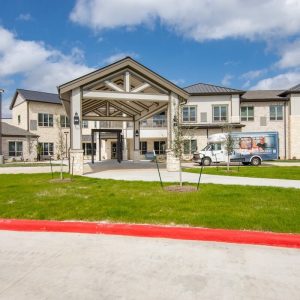
StoneCreek of Copperfield | Front entrance
Leadership Team

Our team collaborates with community leaders, caregivers, and senior living professionals to provide helpful information on wellness, care options, lifestyle, and planning for the future.

Get More Personalized Guidance

Want to Share This Story?

Keep Exploring Articles for Seniors & Families

Learning about senior living doesn’t have to stop here. Because every family has unique questions, we’ve gathered more helpful blog posts on similar topics that can guide you and your family through the next steps.

How to Prevent Boredom With Retirement Hobbies | Civitas

Retirement Hobbies to Prevent Boredom and Keep Growing

Most people love retirement. Recent research from Money reveals that the majority of retirees report feeling happier after leaving the workforce. However, the data also shows that 8% of retirees report being less happy. The...

Civitas | Seasonal Tips: Asthma Symptoms and Senior Allergies

The Symptoms and Signs of Asthma and Allergies in Older Adults

April brings longer days, blooming flowers, and Earth Month celebrations that remind us to appreciate and interact with the natural world around us. However, for many older adults, spring presents serious challenges rather than simple...

Civitas | Team member assisting memory care resident

What Does Memory Care Usually Cost in Houston, Texas?

According to A Place for Mom, the average monthly cost of memory care in the United States in 2025 is $6,450. When families begin researching memory care cost in Houston, questions about pricing and value...

Civitas | Early Signs Of Cancer

Recognizing the Early Signs of Cancer in Seniors

You’ve probably spent time worrying about whether your parent might develop heart disease or dementia. But cancer is just as much of a concern as they age. The National Library of Medicine posts that prostate...

What Does Senior Living Mean in My Apartment Search?

What Does Senior Living Mean in Your Houston Apartment Search?

According to the National Council on Aging, 70 percent of older adults will need long-term care at some point in their lives. This statistic might feel overwhelming at first, but here’s the empowering reality: getting...

Houston Retirement Homes: A Detailed Cost Breakdown

Senior Retirement Home and Community Costs in Houston, Texas

Researching retirement home costs in Houston brings up important questions about value and investment. Families want to understand not just what senior living costs, but what makes one community worth more than another. Without clear...

Ready To Speak With Us In Person?

This website uses cookies.

Schedule a Tour Today!

By submitting this form, you agree to the terms and conditions of our Privacy Policy. You also consent that we can reach out to you either by phone or by using a phone system that can auto-dial numbers. Your consent is not required to use our service.