The COVID pandemic was unlike anything most of us have ever lived through before. Thankfully, the vaccines work, but this is no time to let one’s guard down for infectious diseases.
Although it never went away, tuberculosis (TB) has made a significant reappearance, surpassing COVID-19 as the leading global concern. This shift demands our attention and awareness, especially for those with older family members who may be more vulnerable.
What the Experts Are Saying
An October 2024 report from The World Health Organization (WHO) claims that about 8.2 million people were newly diagnosed with tuberculosis in 2023. That is a significant increase from the 7.5 million reported back in 2022. At the same time, the number of TB-related deaths dropped from 1.32 million to 1.25 million.
Most of us know that COVID-19 hospitalizations and deaths have decreased since its peak, but according to the CDC, there are still periodic infection surges in the U.S. The CDC recommends that the following populations get updated 2023-2024 COVID-19 vaccines:
- Older adults
- People with certain disabilities and medical conditions
- Infants
To summarize: While COVID-19 mortality rates have decreased with vaccinations and natural immunity, TB continues unabated in many parts of the world. Understanding these distinctions can empower you to protect the health of elderly loved ones.
Differences Between Tuberculosis and COVID
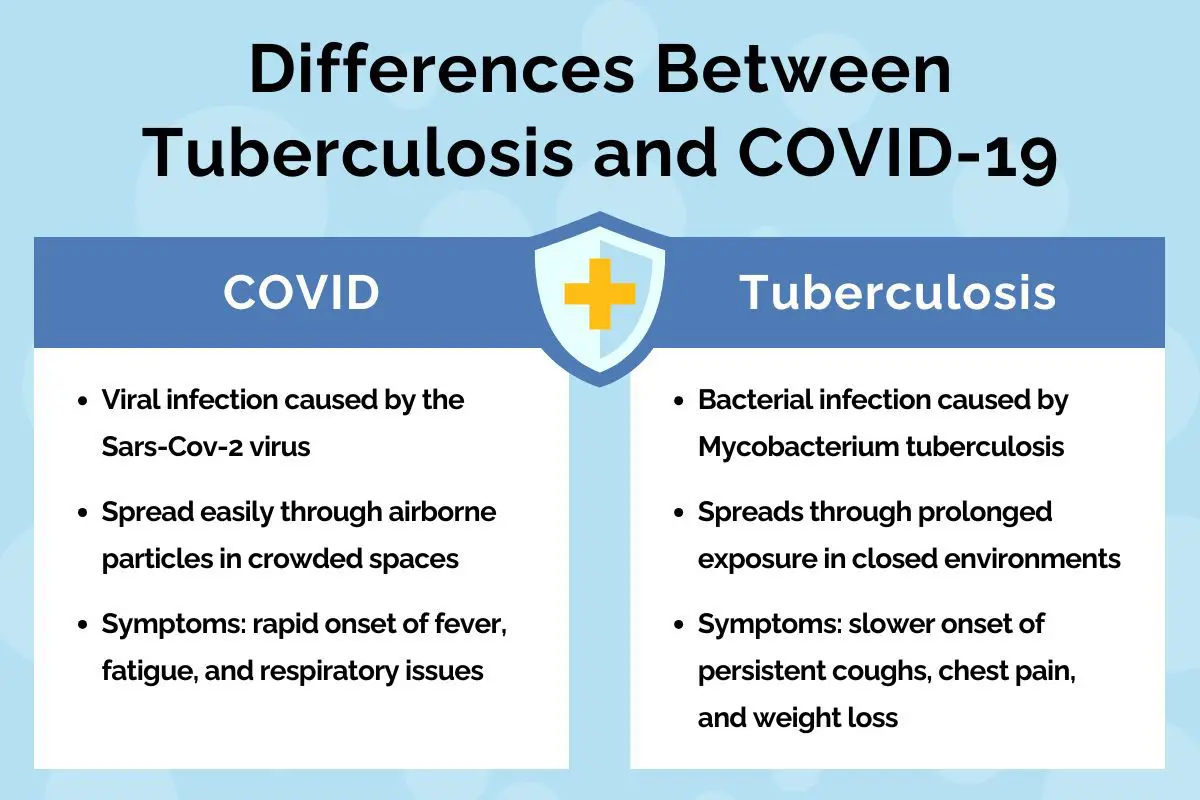
COVID-19 is a viral infection caused by the Sars-Cov-2 virus, whereas TB results from the bacterium Mycobacterium tuberculosis. While both affect the respiratory system, they present differently and have distinct modes of transmission.
Both can be contagious; COVID-19 can spread more easily through airborne particles in crowded spaces, while TB primarily spreads through prolonged exposure in closed environments.
COVID-19 symptoms may include rapid onset of fever, fatigue, and respiratory issues.TB symptoms typically develop slowly, with persistent coughs, chest pain, and weight loss evolving over weeks to months.
There are two types of TB:
- Active tuberculosis (TB) occurs when the bacteria multiply and cause symptoms like cough, fever, and weight loss, making it contagious.
- Latent TB is inactive and asymptomatic; the bacteria remain dormant in the body without causing illness. Latent TB can reactivate, especially if the immune system weakens. Latent TB is not contagious.
Can COVID cause tuberculosis?
It’s important to clarify that COVID-19 cannot directly cause TB, as different pathogens cause them. However, a National Institutes of Health report concluded that:
- Respiratory viral infections can increase the chances of getting tuberculosis.
- COVID-19 corticosteroid therapy results in immunosuppression.
- Latent tuberculosis infection might follow a COVID-19 infection.
Furthermore, the pandemic impacted TB control worldwide, primarily due to health care disruptions. These disruptions caused delays in TB diagnoses, treatments, and a reduction in reported cases. That means that TB could spread more easily during the pandemic. That emphasizes the need for renewed focus and care in monitoring and treating this infection.
Signs of Tuberculosis in Elderly Individuals
Recognizing TB in older adults requires attentive observation, as the signs of tuberculosis can mimic age-related ailments. That raises the challenge of accurate detection. One might notice prolonged coughing, night sweats, and weight loss; ongoing fatigue is another potential red flag. Awareness and early recognition of these signs are vital as TB in elderly loved ones may present subtly due to weaker immune systems.
Older adults are at a higher risk for TB due to potential pre-existing health conditions and a natural decline in immune system efficiency. Staying informed about the signs of tuberculosis in the elderly is proactive, can facilitate timely intervention, and enhances outcomes.
Preventing Tuberculosis in Elderly Loved Ones
Prioritizing a beloved aging family member’s health means understanding their evolving needs and employing effective, actionable strategies:
- Regular medical check-ups play a critical role in TB early detection and management.
- Building a support system around elderly loved ones, ensuring they have access to nutritious meals, exercise, and medical care, can significantly impact their health and well-being.
- Since older adults may not always communicate discomfort, maintaining open communication channels with healthcare professionals is critical.
TB requires a dedicated treatment regimen, underscoring the importance of following through with care plans to prevent complications and enhance recovery.
TB Treatments and Vaccination
Physicians can treat latent TB with preventive therapy. The most used modality is isoniazid (INH), an antibiotic taken once a day for six to nine months.
Treatment for active TB involves a combination of antibacterial medications, typically isoniazid or INH taken with rifampin, pyrazinamide, and ethambutol, taken from six to 12 months. You must take the medications for the entire time prescribed to recover and prevent reoccurrence.
Unlike COVID, TB does not have a widely-used vaccination in this country. The vaccine is Bacille Calmette-Guérin (BCG), and the CDC reports that BCG “is not generally used in the United States.” It’s used in countries where TB is more common. If you or a loved one received BCG, inform your health care providers; the vaccine can create a false positive TB skin test result.
Prioritizing Health Through Civitas Senior Living
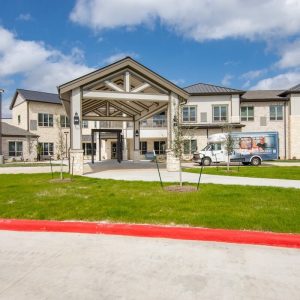
Our communities blend individualized care plans and caregiver support, focusing on the individual needs of your loved ones. We are committed to senior well-being, paving the way for improved health and peace of mind.
The Civitas Passion Program guides our approach to a higher level of senior care. Our team members assess new residents, confer with family members, and design personalized care plans based on needs and preferences. Our programming keeps residents’ minds and bodies active, and our My Food program offers nutritious, delicious meals prepared by our talented chefs.
Our caregiver-to-resident ratios ensure that all residents receive the attention and care they deserve. We know our residents by name and monitor their health and well-being. It’s critical to recognize the potential threats of COVID and TB in a protective, supportive environment for our residents. Our dedicated team members implement strict health protocols to prevent infections and provide exceptional care, ensuring the comfort of everyone in our community.
Improve Health for Seniors in
A Civitas Community Near You
Choosing a senior living community that prioritizes health and well-being can significantly enhance the quality of life for you or your loved one. At Civitas Senior Living, we create environments supporting independence, activity, and well-being.
Contact the Civitas Senior Living community near you today, and we’ll be happy to arrange a private tour.