
What does daily life actually look like when living with a pet at a senior community? For many considering pet-friendly apartments in Longview, TX, the question isn’t whether animals are permitted, but how seamlessly they integrate into everyday routines and social experiences.
At Arabella of Longview Senior Living, passion is our purpose, shaping residential experiences where dogs and cats aren’t just tolerated but celebrated as family members. Morning walks around our stocked fishing lake, afternoons at pet stations and the dog park, and evenings spent relaxing in apartments designed for comfortable animal companionship create natural rhythms that honor the human-animal bond.
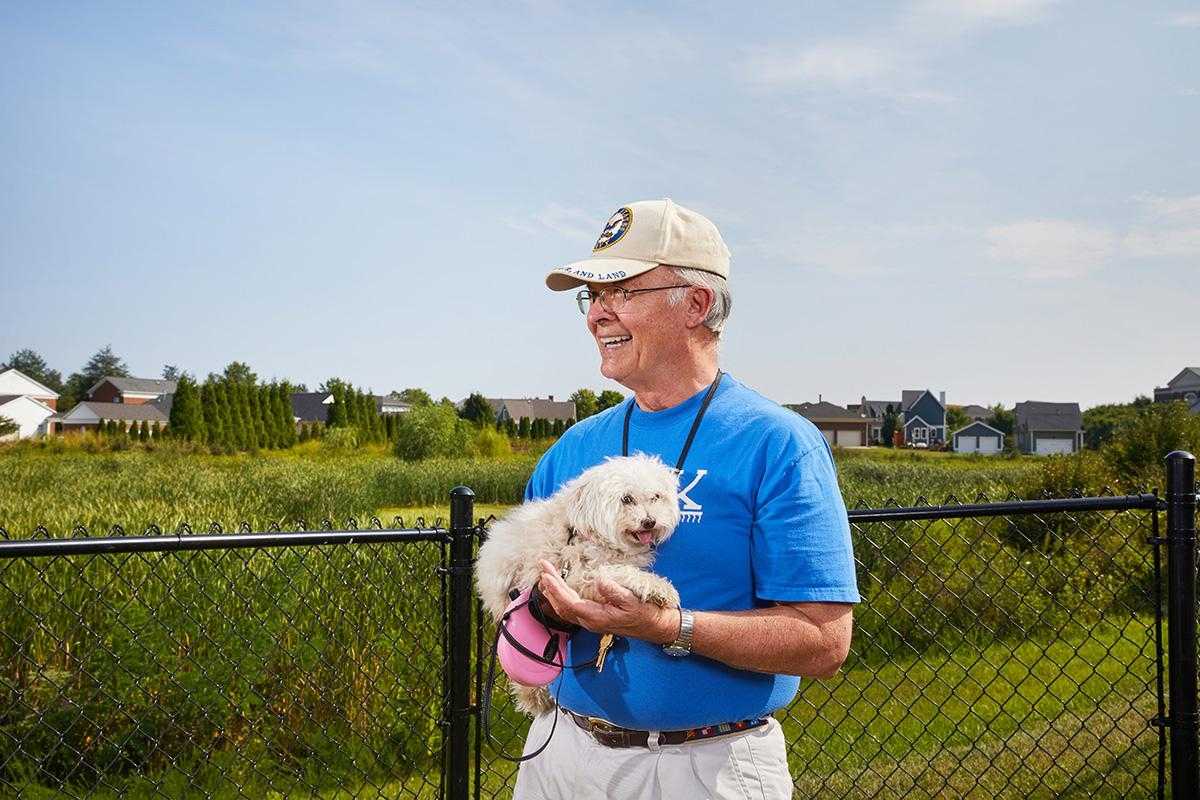
Nestled in a residential neighborhood yet minutes from downtown Longview, I-20, and major highways, our community offers peaceful living with convenient access to veterinary care and shopping.
Life with beloved companions continues here, supported by thoughtful amenities and partnerships with team members, making pet ownership manageable and joyful throughout the transition to assisted living.
Why the Human-Animal Bond Matters in Senior Living
Pets offer proven health and well-being benefits for older adults transitioning to new living arrangements, going far beyond companionship.
According to the National Library of Medicine, pet ownership peaks in midlife, with nearly 70% of Americans aged 50 to 59 having pets. However, rates decline with age, dropping below 50% for adults 70 and older. This decline often reflects housing limitations rather than diminished desire for animal companionship.
Emotional and Mental Health Benefits
Research shows that ownership lowers stress and feelings of isolation:
- May reduce depression and loneliness
- Provides potential cardiovascular benefits, including lowered heart disease risk
- Offers continuity and emotional grounding during retirement transitions
- Delivers unconditional acceptance and companionship
According to U.S. News & World Report, ownership offers significant health benefits for older adults, particularly those with limited social interactions or dealing with health declines.
Physical Health Advantages
Daily care routines support wellness naturally:
- Walking dogs encourages mobility and cardiovascular activity
- Playing with cats promotes movement
- Feeding schedules create structured physical routines
- Grooming provides gentle exercise opportunities
Social Connection and Purpose
Animals connect people to others while providing meaningful routines:
- Spark conversations during walks
- Create natural icebreakers
- Provide gathering points where residents bond
- Deliver purpose through daily responsibilities
Pet-friendly senior apartments in Longview preserve important relationships while transitioning to supportive living arrangements that feel like home rather than institutional settings.
What Makes Longview’s Pet-Friendly Assisted Living Different
Not all communities with “pet-friendly” labels provide the same experience. Those actively supporting both residents and their companions go beyond basic allowance.
Space and Outdoor Access
Adequate apartment layouts with easy-to-clean flooring accommodate animals comfortably. Direct outdoor access or convenient paths to relief areas make daily routines manageable. Pet stations, dog parks, and walking trails around stocked fishing lakes provide opportunities for exercise and socialization.
Team Member Partnership
Professional support distinguishes communities that merely permit animals from those actively helping care for them:
- Assist with walking when mobility challenges arise
- Help coordinate feeding schedules during illness or hospitalization
- Manage litter boxes or cleanup when residents need temporary support
- Check on both residents and animals during recovery periods
This partnership proves invaluable when health events occur. Residents recovering from setbacks can receive help to ensure their companions are fed and cared for, without burdening family members traveling from Marshall or the surrounding areas.
Veterinary Care Coordination
Scheduled transportation to local veterinarians ensures animals receive proper medical attention. Proximity to quality care throughout Gregg County, with easy access via I-20 and major highways, makes routine checkups and emergency visits manageable.
Emergency Provisions
Clear plans address temporary situations when residents cannot care for animals. Whether short hospital stays or rehabilitation periods, knowing companions receive proper attention eliminates worry during health crises.
Thoughtful Policies Promoting Harmony
Health documentation, vaccination records, and reasonable size guidelines ensure all residents’ comfort. These requirements protect community well-being while welcoming beloved companions.
Pets Come in Many Forms
Most communities welcome common household companions. Small and medium-sized dogs typically receive approval, with some accommodating larger breeds depending on temperament.
Birds, fish, and other small caged animals often find welcome homes.
Federal law protects service animals, exempting them from typical restrictions. Emotional support animals may be subject to different policies, so confirming specific requirements during community tours ensures clarity.
Making the Transition Smooth
Moving creates stress for both older adults and their animals, yet preparation eases adjustment. Keeping consistent feeding times, walking schedules, and bedtime routines helps companions feel grounded despite changes in location.
Familiar bowls, beds, toys, and blankets provide comfort through recognizable scents and textures.
Spending time exploring apartments together before move-in day helps acclimation. Walking along the fishing lake trails, visiting pet stations and the dog park, and meeting neighbors’ animals at a comfortable pace reduce anxiety. Most adapt within weeks, though some require longer.
Pet-Friendly Assisted Living at Arabella of Longview Senior Living
Arabella of Longview provides independent living, assisted living, and memory care, earning recognition as a 2026 U.S. News & World Report Best Independent Living and Best Assisted Living community.
Our pet stations and dog park provide dedicated spaces where animals exercise and socialize while residents connect with neighbors who share their love of pets. Indoor and outdoor swimming pools offer year-round recreation, keeping residents active.
We partner with UT Health East Texas to provide therapy services, helping residents remain physically able to care for their companions and enjoy active lifestyles together.
For residents with dementia, our memory care neighborhood provides specialized services. While companions are not part of this program, we welcome regular animal therapy visitors that provide comfort and connection.
We simplify the journey to pet-friendly senior living through professional partnerships that assist with financial, legal, and moving assistance.