What Older Adults and Families Should Know About Cardiovascular Health
Blood pressure often changes with age, which means older adults and their families need to understand what’s considered healthy now and why it matters.
Today’s guidelines are more refined, and more people are classified as having high blood pressure than in the past. That change affects how we think about prevention, lifestyle habits, and when to ask for support.
This guide breaks down current standards, explains the numbers, and highlights steps older adults can take to stay ahead of common health risks.
Why Blood Pressure Matters
Blood pressure is the force your blood applies to your blood vessels as it moves through your body. It’s expressed using two numbers:
- Systolic blood pressure (the top number)
- Diastolic blood pressure (the bottom number)
High blood pressure, called hypertension, often shows no symptoms but increases the risk of heart attack or stroke, kidney issues, and cognitive decline.
About 45% of adults in the U.S. have hypertension, according to the CDC. That number is even higher among seniors. With age, arteries stiffen, making it harder for blood to flow easily. That’s why keeping track of your blood pressure at home or during checkups becomes more important over time.
The New Normal Elderly Blood Pressure Guidelines
The American College of Cardiology (ACC) and the American Heart Association updated their blood pressure guidelines in 2017. These updates set stricter benchmarks, meaning more people now fall into elevated or high categories.
According to the newest blood pressure chart, here’s how the new standards break down for older adults:
- Normal: Less than 120/80 mm Hg
- Elevated Blood Pressure: Systolic between 120–129 mm Hg and diastolic under 80
- Stage 1 Hypertension: 130–139 systolic or 80–89 diastolic
- Stage 2 Hypertension: 140/90 mm Hg or higher
- Hypertensive Crisis: +180 systolic and/or +120 diastolic
Many people are surprised to learn they fall into a higher category, especially if they were once considered healthy under older guidelines. That’s why knowing the blood pressure range for the elderly is essential to understanding personal risk.
Why the Change Matters for Seniors
Men and women over age 55 are now more likely to be diagnosed with high blood pressure. In fact, nearly 70–79% of men in this group meet the threshold for hypertension under the updated standard, says the ACC.
This is why the ideal elderly blood pressure is now defined more carefully. It’s less about age-based averages and more about reducing preventable risks. If your last check was a few years ago, it may be time to review your numbers again.
What’s an Acceptable Blood Pressure Range for the Elderly?
The acceptable elderly blood pressure is now considered to be under 120/80 mm Hg. That’s a shift from earlier targets, which sometimes went as high as 150/80 for older adults. The goal is to minimize strain on the heart, protect organs, and prevent long-term complications.
These numbers are a general guide. Everyone is different, so it’s important to work with your provider to determine the best plan for your health.
What Raises Blood Pressure With Age?
Aging alone can raise your risk, but several risk factors also contribute:
- High salt or processed food intake
- Tobacco use
- Lack of physical activity
- Being overweight
- Stress and poor sleep
- Certain medications or health conditions, like diabetes
Learning which habits elevate your blood pressure numbers can help you make small changes that add up.
How to Help Lower High Blood Pressure
If your doctor says your blood pressure is elevated or you’re at stage 1 hypertension, they may suggest tracking your blood pressure at home and adjusting your routine.
These strategies are often recommended alongside medications:
- Eat a heart-friendly diet (low sodium, rich in fruits, vegetables, and whole grains)
- Reduce stress through mindfulness or gentle movement like Tai Chi
- Aim for better sleep each night
- Exercise regularly — walking counts
- Limit alcohol and avoid tobacco
- Lose weight if advised by your provider
Working with a health professional is key. You don’t need to manage these changes alone.
Living Well With Support
Understanding your numbers is the first step. Getting the right support to maintain healthy habits is the next step. Whether you live independently or receive support through long-term care, consistent guidance helps reduce risks over time.
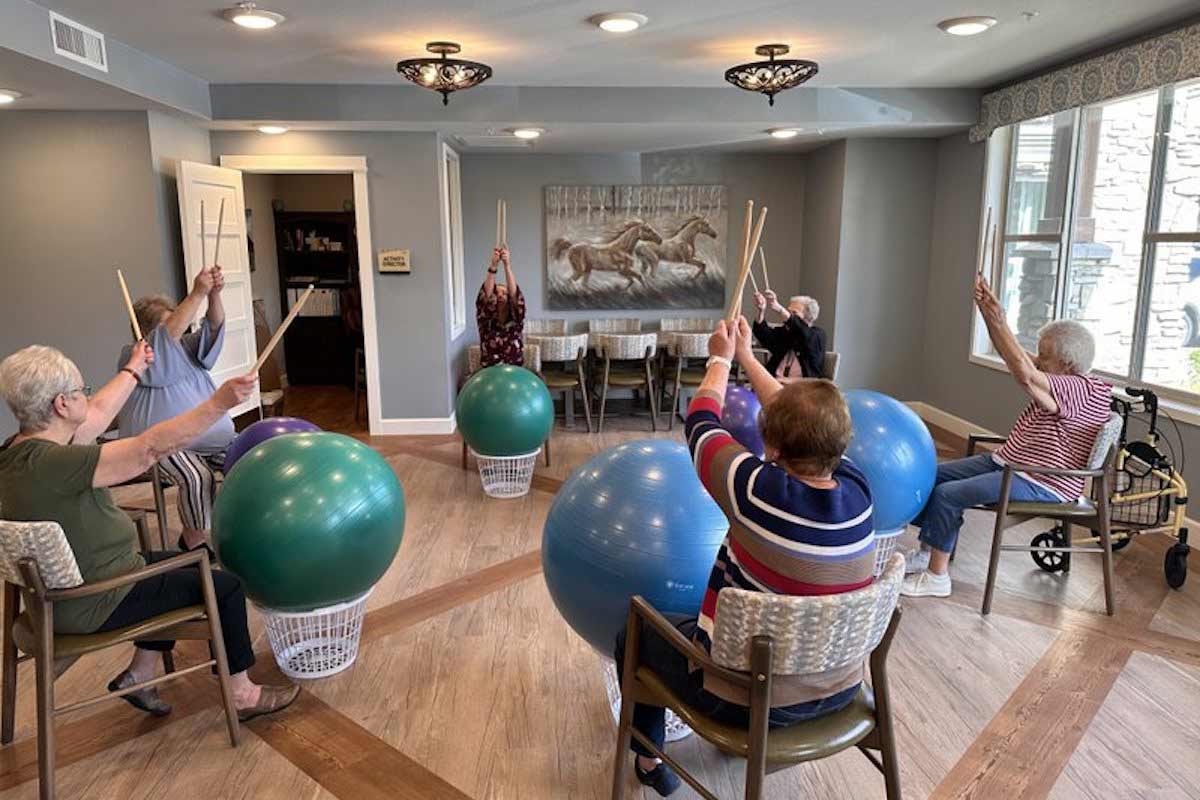
At Arabella of Red Oak, we simplify health routines through daily meals, scheduled movement, and medication management. Our communities also offer wellness activities that support cardiovascular health and the elderly with high blood pressure in red oak.
When needed, residents also benefit from coordination with local providers, check-ins from team members, and a daily structure that promotes long-term stability.
Arabella of Red Oak Helps You Stay on Track
We help older adults stay proactive about their health. Whether you need help understanding blood pressure changes or you’re looking for a simpler routine, we’re here.
Discover how we support older adults with high blood pressure through personalized lifestyle programs and consistent care, without the stress of managing it alone. Contact us today to simplify the journey to senior living near you.