Your parent no longer recognizes some things, but their eyes light up when hearing Frank Sinatra playing. They struggle with daily tasks, yet can still recite entire passages from favorite books. These moments reveal a profound truth: While dementia may cloud recent memories, deeper life stories remain powerful touchstones for connection and care.
At Ariel Pointe of Sachse Senior Living, our caregivers know that effective memory care begins with honoring each resident’s unique journey. Rather than applying one-size-fits-all approaches, our team develops personalized care plans tailored to each individual’s unique life experiences. This person-centered approach transforms daily interactions into meaningful moments of recognition and dignity.
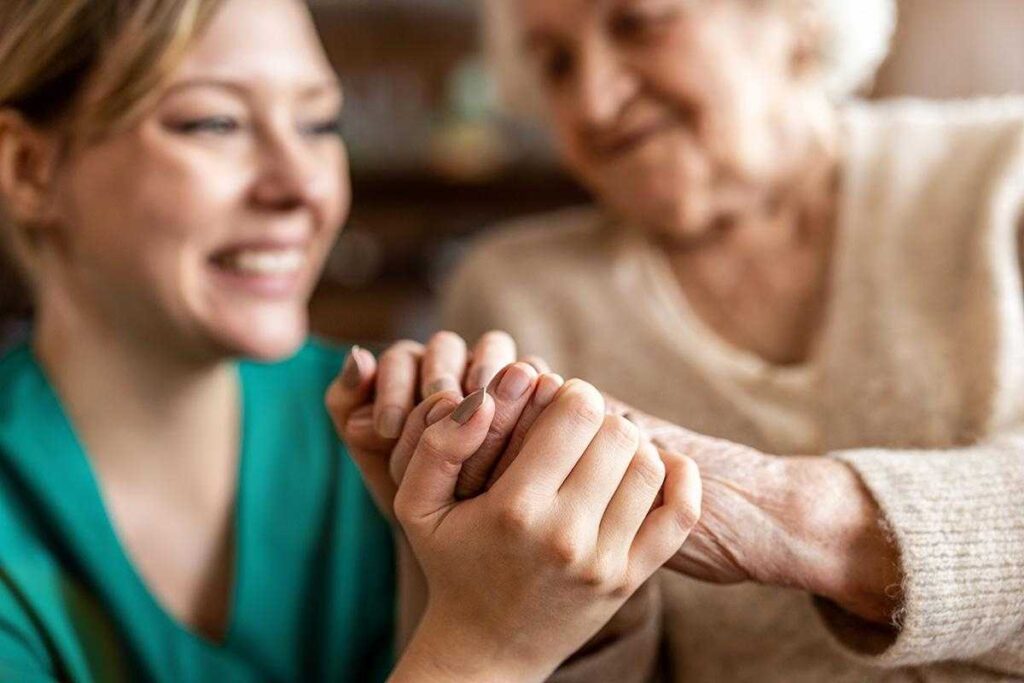
Diving Into the Personal Stories of Seniors With Dementia
A full life story embodies far more than basic biographical information. These narratives encompass a wide range, from childhood memories and significant achievements to spiritual beliefs. They capture the essence of who someone was before dementia changed their cognitive abilities.
Dementia and life stories work together in unexpectedly rewarding ways, as older recollections often remain vivid and accessible. A grandmother may forget what she had for breakfast, but can describe her wedding day in intricate detail. These preserved memories become bridges to connection and sources of comfort during challenging moments.
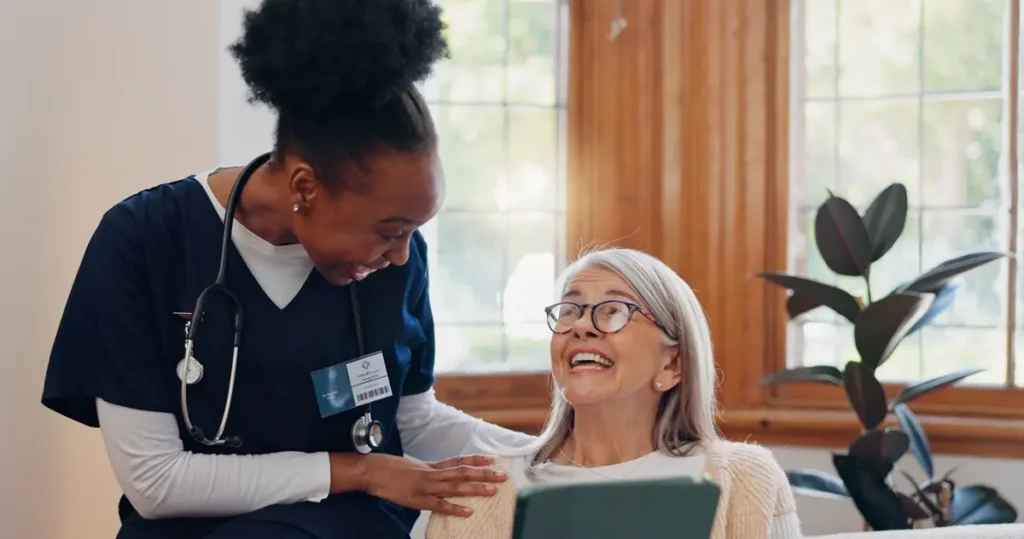
Our caregivers document these stories through detailed interviews with families, creating profiles that inform every aspect of daily care. This information guides meal preferences, activity selections, communication strategies, and behavioral interventions.
The Science Behind Storytelling in Dementia
Research demonstrates that familiar narratives, music, and sensory experiences can trigger positive responses even in advanced stages of dementia. In essence, personal stories of seniors with dementia serve as neurological pathways to preserved cognitive function. These connections activate remaining neural networks, potentially slowing cognitive decline and improving quality of life.
Dementia storytelling creates therapeutic opportunities throughout each day. When a resident becomes agitated, caregivers can redirect attention by referencing familiar people, places, or experiences from their personal history. A former teacher might calm down when discussing classroom experiences, while a retired car mechanic might find peace recounting their favorite vehicle fixes.
This approach validates the person behind the diagnosis. Instead of focusing on what residents can no longer do, caregivers celebrate what seniors remember and who they remain at their core.
Preserving Personal Histories for Dementia Support
Creating meaningful dementia and storytelling programs requires a systematic collection of personal information. Our team gathers details about residents’ professional lives, hobbies, relationships, and cultural backgrounds. For instance, we might document favorite colors, preferred sleeping positions, morning routines, and comfort objects.
Family photographs, letters, awards, and personal mementos visually illustrate these stories. Music playlists featuring songs from different decades of residents’ lives provide auditory connections to cherished memories. Even specific scents or textures trigger positive recollections and emotional responses.
These narratives become living documents, updated as new information emerges through ongoing conversations with family members and observations of resident responses to different stimuli.
Family Partnership in Memory Care Planning
Family involvement also drives successful storytelling in dementia: Adult children have irreplaceable knowledge about their parents’ personalities, preferences, and life experiences. This information creates authentic connections between caregivers and residents.
At regular meetings, Ariel Pointe of Sachse memory care residents and family members share insights, and we adjust care approaches based on those responses. Children often discover surprising details about their parents’ earlier lives during these conversations, deepening their own understandings.
Family members can also contribute by creating memory boxes, photo albums, or recorded stories that caregivers can use during challenging moments. These tools provide comfort and stability when residents feel confused or distressed.
Daily Implementation of Personal Histories
Ariel Pointe caregivers integrate a person with dementia’s personal stories into routine activities throughout each day:
- Morning conversations might reference a resident’s former job or family traditions.
- Meal times can include foods that hold special significance or remind residents of their cultural heritage.
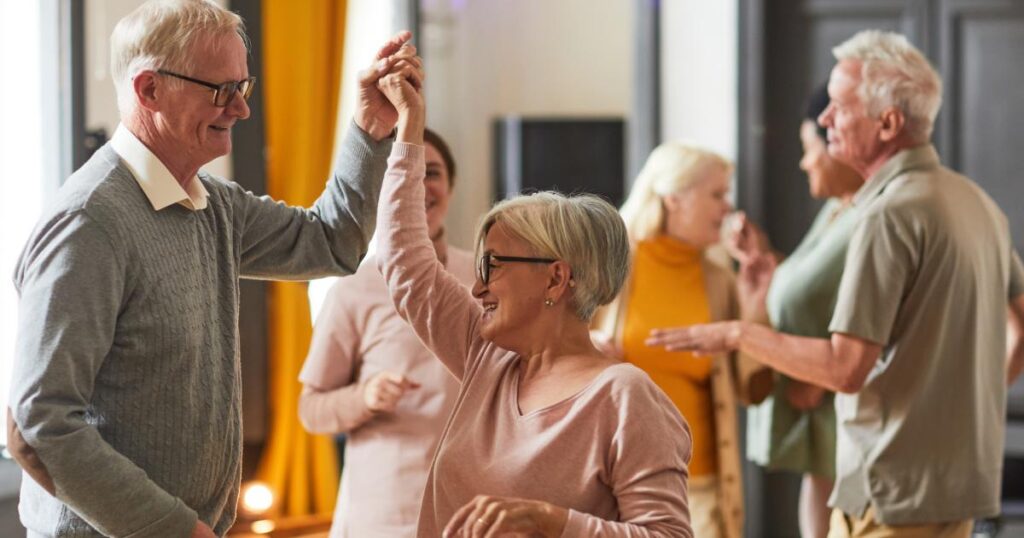
- Activity programs draw from individual interests and abilities; a former musician might participate in sing-alongs featuring their preferred genres.
- Personal care routines reflect information gleaned from dementia storytelling sessions. Some residents prefer morning showers, while others find washing in the evening more comfortable.
These details significantly impact daily comfort and cooperation. That drives more positive health and wellness outcomes—and truth be told, our team members love hearing these unique stories.
Final Thoughts: Your Parent Deserves Memory Care That Honors Their Life Story
In conclusion, at Ariel Pointe of Sachse Senior Living, every resident’s personal history matters. Our compassionate caregivers partner with families to create care plans that celebrate who our seniors have always been, even as dementia changes their present reality. Schedule a tour and discover how we transform personal narratives into compassionate and effective memory care.