You’ve set up home care for your parent, and a caregiver comes three times a week. There’s a medical alert system by the bed, and neighbors check in occasionally.
On paper, everything looks manageable, yet you still wake up worried about whether this arrangement is truly meeting their needs as their situation continues to evolve.

Help for seniors living alone shifts as circumstances change. What worked six months ago might not address current realities. Understanding when and how to transition from home care to assisted living or memory care helps families make thoughtful decisions before situations become urgent.
Recognizing When Home Care Requires Evolution
Families often wonder how to monitor seniors living alone. Several clear tipping points suggest that options for seniors living alone need to shift toward additional support. These indicators aren’t reasons for alarm but rather signals that care arrangements deserve reassessment.
Increasing Medical Complexity and Medication Management
Home care excels at routine assistance with daily tasks, yet it struggles when medical needs intensify. If your parent requires frequent monitoring, medication adjustments, wound care, or coordination between multiple doctors, home care becomes a logistical puzzle.
A caregiver arriving three times weekly cannot catch medication timing errors, recognize subtle health changes, or communicate with specialists about emerging concerns. The medication challenge is particularly significant since about 90% of seniors take at least one prescription medication, and close to 40% take five or more.
Managing multiple medications correctly requires consistent professional oversight that scheduled home care visits cannot provide.
Care Inconsistency and Gaps in Coverage
Home care depends on individual caregivers, and when a familiar aide becomes unavailable, substitutes may not understand your parent’s preferences or health history. Your loved one might resist new caregivers, communication can break down, and quality can become inconsistent.
These gaps create vulnerability that increases the risks your parent faces daily.
Family Caregiver Burnout and Stress
Many families supplement home care by covering gaps themselves. Adult children manage appointments, handle emergencies, coordinate with multiple caregivers, and provide backup care when scheduled visits don’t suffice.
This responsibility creates substantial stress and exhaustion:
- Constant availability expectations affecting sleep and personal life
- Emotional burden of watching a parent struggle with care gaps
- Financial strain from missing work or reducing hours
- Difficulty maintaining boundaries between family relationships and care responsibilities
- Growing anxiety about what happens during unsupervised hours
When family members become overwhelmed, the quality of care and family relationships both suffer.
Well-Being Concerns Multiplying at Home
At least 60% of senior falls occur in the home, yet falls represent only one risk to health.
Older adults face hazards, including:
- Slipping on stairs or in bathrooms despite modifications
- Forgetting to turn off stoves or secure doors
- Vulnerability to break-ins or scams
- Difficulty responding to medical emergencies when alone
- Home changes becoming obstacles as mobility decreases
Home modifications and alert systems for seniors living alone help, but they cannot eliminate all risks or provide immediate assistance during falls or emergencies.
Growing Isolation and Reduced Emotional Engagement
Perhaps most telling is subtle withdrawal, where your parent stops asking about grandchildren, declines invitations to activities they once enjoyed, and television replaces conversation.
This isolation often reflects depression or cognitive changes that home care cannot address.
A caregiver focused on physical tasks rarely provides the social connection older adults need for emotional well-being. Without engagement and purpose, your parents’ overall health and motivation decline, creating a cycle where physical and mental health worsen together.
Understanding the Real Cost Structure
Many families resist exploring alternatives to home care because they perceive it as cheaper, overlooking the hidden costs that add up quickly. If your parent needs 40 hours weekly of home care, add the additional expenses that quickly increase total costs:
- Transportation services and medical equipment
- Home modifications for accessibility
- Increased utility bills and property maintenance
- Food costs and dietary supplements
- Prescription management supplies
- Family members’ lost work time covering care gaps
- Emergency room visits from preventable falls or medication errors
Home care in Round Rock, TX, is about $20 per hour. At 40 hours of care per week, it adds up to over $780. Comprehensive assisted living communities often cost less while providing vastly different support structures that home care cannot replicate.
What Assisted Living and Memory Care Actually Provide
Moving from home care to assisted living or memory care represents evolution, not failure. These communities address gaps that home care cannot fill through structures and support systems, including:
- Consistent professional care with the same trained team members daily
- Immediate response to emergencies and health changes rather than waiting for scheduled visits
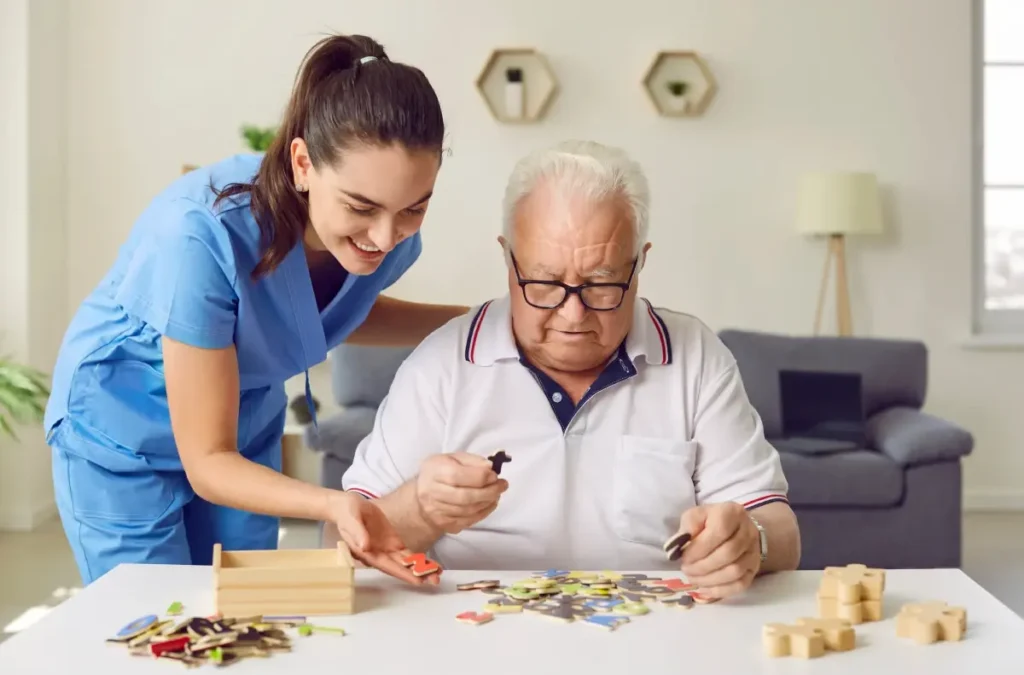
- Structured programming and social engagement preventing isolation
- Dining rooms and gathering spaces replacing solitary meals
- Medication management handled professionally with doctor coordination
- 24/7 oversight allowing early recognition of health changes
- Activities creating purpose and connection
For families worried about a parent living alone, this comprehensive approach transforms daily anxiety into genuine peace of mind.
The Transition from Home Care to Assisted Living
If you’re exploring options for seniors who live alone, the transition need not be sudden or traumatic.
Quality communities work with families to create manageable shifts. Your parent might tour the community multiple times, have meals there before moving, and arrange a move-in timeline that feels right.
Many communities assign primary care coordinators, ensuring consistent relationships during adjustment periods, which helps reduce anxiety about change and builds confidence in the new living arrangement.
How Double Creek Assisted Living and Memory Care Supports Families in North Austin
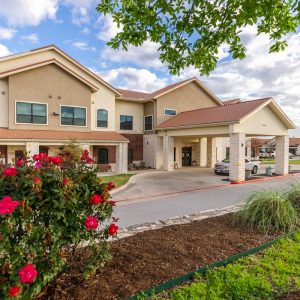
Double Creek provides assisted living and memory care in North Austin, serving Round Rock and surrounding families as they navigate transitions from home care to more comprehensive support. Our focus centers on outcomes that directly improve residents’ quality of life and reduce family worry.
What distinguishes our approach to care for solitary seniors:
- Restaurant and casual bistro cafe, creating daily social engagement
- Specialized medical coordination addressing medication management, health monitoring, and emergency response simultaneously, so nothing falls through the gaps
- Structured daily programming and activities
- On-site support from partners like Austin Geriatric Specialists and Select Rehabilitation
- 24/7 professional care teams trained in dementia support for memory care residents
- Permanent discount for veterans and first responders
The outcome is that residents enjoy improved engagement, reduced anxiety about medical management, and a daily connection rather than isolation.
Families experience relief from constant worry and logistical burden, allowing relationships to shift from management focus back to genuine connection.