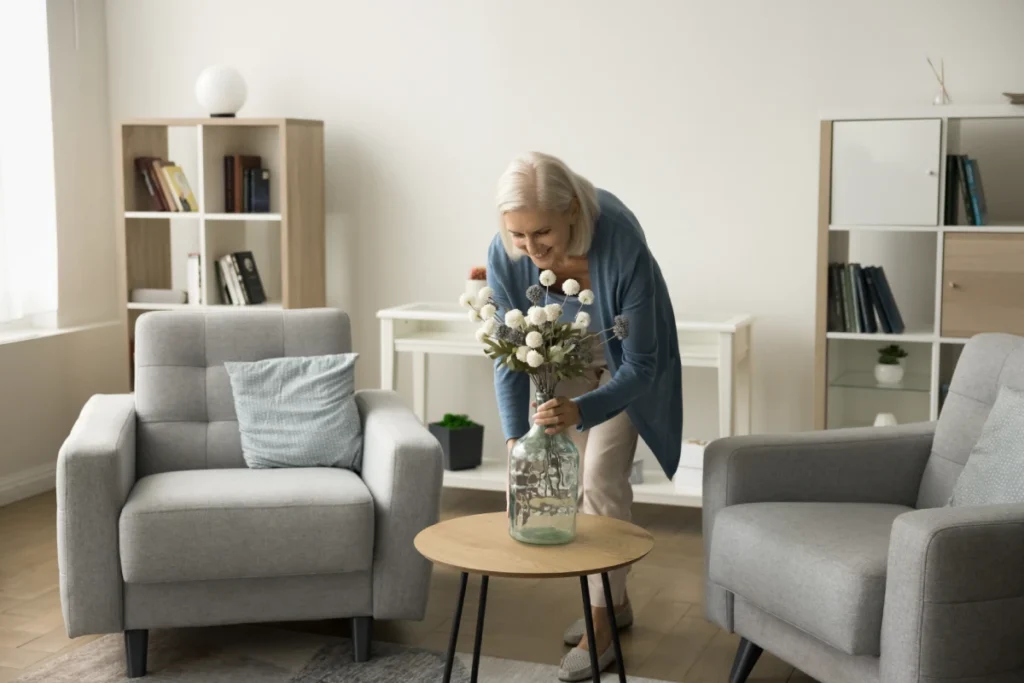
As winter approaches, families of seniors often feel a little extra concern. The colder weather brings unique challenges for older adults, who may be more susceptible to cold temperatures due to health conditions or mobility issues.
Keeping seniors healthy, comfortable, and well-cared for during the colder months often requires a few seasonal adjustments. A warm, well-maintained living space and supportive routines can make winter feel more manageable and less stressful for everyone.
Here are some helpful cold-weather tips for seniors to keep them cozy and secure, plus ideas for warm meals and the best winter boots for elderly relatives.
Cold Weather Tips for Seniors
Winter health tips for seniors go beyond just bundling up. Older adults often experience reduced circulation, which can make them feel colder even in relatively mild temperatures. Here are some essential tips to help seniors stay warm and comfortable:
- Dress in Layers: Layers trap heat and allow seniors to adjust to changing temperatures. Ensure that each layer is breathable to avoid overheating.
- Wear Warm Fabrics: Wool, fleece, and down are excellent materials for warmth. Make sure that seniors wear thermal socks, gloves, and scarves.
- Monitor Indoor Temperature: Keep the home warm, ideally between 68°F and 72°F. Cold conditions can increase the risk of illnesses like pneumonia or hypothermia.
- Use Heating Pads: For added warmth, seniors can use electric heating pads or blankets while resting in bed or on the couch.
- Stay Active: Encourage seniors to move around indoors, even if it’s just gentle stretching or walking. This promotes circulation and helps maintain body warmth.
- Watch for Slippery Surfaces: Ice and snow can create challenging situations for seniors who may be at risk of falling. Ensure walkways are cleared and well-lit.
Healthy Winter Comfort Food Suggestions
Winter is the perfect time to enjoy hearty, comforting meals. Healthy winter comfort food is not only nourishing but also warming, making it a great way to help seniors stay healthy and satisfied. Consider these winter comfort dishes to serve your loved ones during the colder months:
- Soups and Stews: A warm bowl of homemade soup or stew is a classic winter meal. Opt for nutrient-rich options like chicken vegetable soup, lentil stew, or creamy butternut squash soup. These dishes are easy to digest, full of vitamins, and can be made in large batches for leftovers.
- Roasted Vegetables: Roasting vegetables like carrots, sweet potatoes, and Brussels sprouts is an excellent way to boost vitamin intake while offering a warm, flavorful side dish.
- Oatmeal or Porridge: A hearty bowl of oatmeal with added fruits like apples, pears, or raisins can provide a nutritious breakfast that keeps seniors full throughout the morning.
- Baked Chicken or Fish: Protein is essential, especially during colder months, so try baked chicken with herbs or roasted fish like salmon. Pair with roasted vegetables or quinoa for a complete meal.
- Hot Beverages: Hot tea, cocoa, or warm apple cider can soothe and hydrate seniors. Add a bit of honey or cinnamon for extra warmth.
Best Winter Boots for Seniors
The best winter shoes for seniors need to provide both warmth and stability. The cold weather brings slippery sidewalks and wet conditions, making it essential to find winter boots for elderly relatives that offer both comfort and protection. Here are some features to look for in winter boots for seniors.
Features of Quality Winter Boots for Seniors
- Non-Slip Soles: Providing boots with a non-slip, textured sole will help reduce the risk of falls on ice or wet surfaces.
- Waterproofing: Waterproof or water-resistant boots keep feet dry and warm, especially during snowy or rainy weather.
- Insulation: Look for boots with adequate insulation to keep the feet warm, such as Thinsulate lining.
- Ease of Use: Seniors may have difficulty bending or tying shoes, so choose boots with Velcro straps or easy-to-use zippers.
- Ankle Support: Winter boots with ankle support will help stabilize seniors’ feet and reduce the risk of sprains or falls.
Here are some of the best winter boots for elderly relatives:
| Boot Type | Features | Best For |
| Waterproof Boot | Non-slip sole, Velcro closure, Insulated lining | Seniors with limited mobility or arthritis |
| Snow Boot | High ankle support, Fur lining | Seniors who live in snowy areas or frequent cold climates |
| Slip-On Boot | Easy slip-on design, Insulated | Seniors who struggle with fastening shoes |
| Thermal Boot | Lightweight, Thermo-insulating, Waterproof | Seniors who prefer lighter footwear for indoor and outdoor use |