Supporting Biological Health in Senior Years
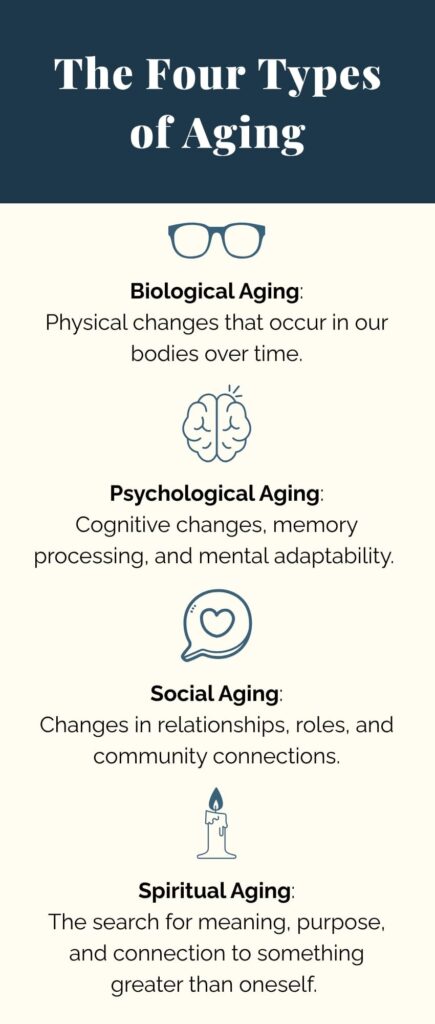
Physical and emotional well-being form the foundation for all other aging types, so encourage your loved one to maintain regular exercise appropriate for their abilities. Walking, swimming, or gentle yoga helps preserve muscle mass, bone density, and cardiovascular health. As for nutrition, see that they’re consuming adequate protein, vitamins, and minerals while staying hydrated.
Regular medical checkups are increasingly important as biological aging progresses. Help your senior family member stay current with preventive care, medication management, and screenings for age-related conditions. Creating a comfortable, safe living environment can prevent falls and accidents and support their independence.
Encouraging Mental Sharpness Through Conscious Aging
Conscious aging involves actively participating in one’s aging process rather than passively accepting decline. For psychological health, encourage your loved one to engage in mentally stimulating activities. Puzzles, reading, learning new skills, or taking classes can maintain cognitive function and slow mental aging.
The psychology of aging theories suggests that staying mentally active creates new neural pathways and maintains brain plasticity. Help your senior family member embrace technology gradually, as staying connected through digital platforms can reduce isolation and keep their minds engaged. Memory exercises, journaling, or creative pursuits like painting or music also support psychological well-being.
Fostering Social Connections for Healthy Aging
Social aging doesn’t have to mean isolation. Help your loved one maintain existing relationships while forming new ones: Community centers, religious organizations, volunteer opportunities, and senior groups provide valuable social opportunities. These connections combat loneliness and depression and provide purpose and meaning.
Intergenerational relationships are particularly beneficial. Schedule regular visits with family members of all ages, as these interactions boost mood, provide mental stimulation, and help seniors feel valued and connected. Virtual visits can also bridge distances.
Nurturing Spiritual Growth in Later Years
Spiritual aging often involves a deeper search for meaning and purpose, so support your loved one’s spiritual journey by respecting their beliefs and practices. Whether they find meaning through traditional religion, meditation, nature, or personal reflection, these practices can provide comfort and perspective during challenging times.
Many seniors find fulfillment in sharing their wisdom with younger generations through mentoring, storytelling, or volunteering. These activities connect them to their legacy while contributing to their community. Encourage your loved one to pursue activities that align with their values and bring them joy.
Chronological Aging vs. Successful Aging
Chronological aging is the number of years a person has lived. However, successful aging focuses on maintaining physical health, cognitive function, and active engagement with life. Your loved one’s chronological age doesn’t determine their quality of life or capabilities.
Frame this life stage as an opportunity for growth, wisdom, and new experiences. Help your senior family member focus on what they can do rather than what they can’t, celebrating their successes and supporting their goals.
Creating an Action Plan for Graceful Aging
This intro to aging types can inspire you to create a holistic support system for your loved one. Address each aspect through the targeted interventions, remembering that chronological aging is just one factor in the complex process of growing older.
Here’s the key: Regular, open communications. Listen to their concerns and help them coordinate activities. And consider involving healthcare professionals, social workers, or spiritual advisors as needed. Adapt your approach as your loved one’s needs change—if they need more support than you can provide, the StoneCreek of North Richland Hills caregiving team is here to help.
Experience Exceptional Senior Care at StoneCreek of North Richland Hills
Our caregivers know that successful aging is about more than medical care. We address the four types of aging through personalized care plans, senior-friendly activities, and a supportive community atmosphere. Passion Is Our Purpose: Every senior deserves to age with dignity, intention, and joy, regardless of their chronological age. Contact us today and we’ll set you up with a private tour.