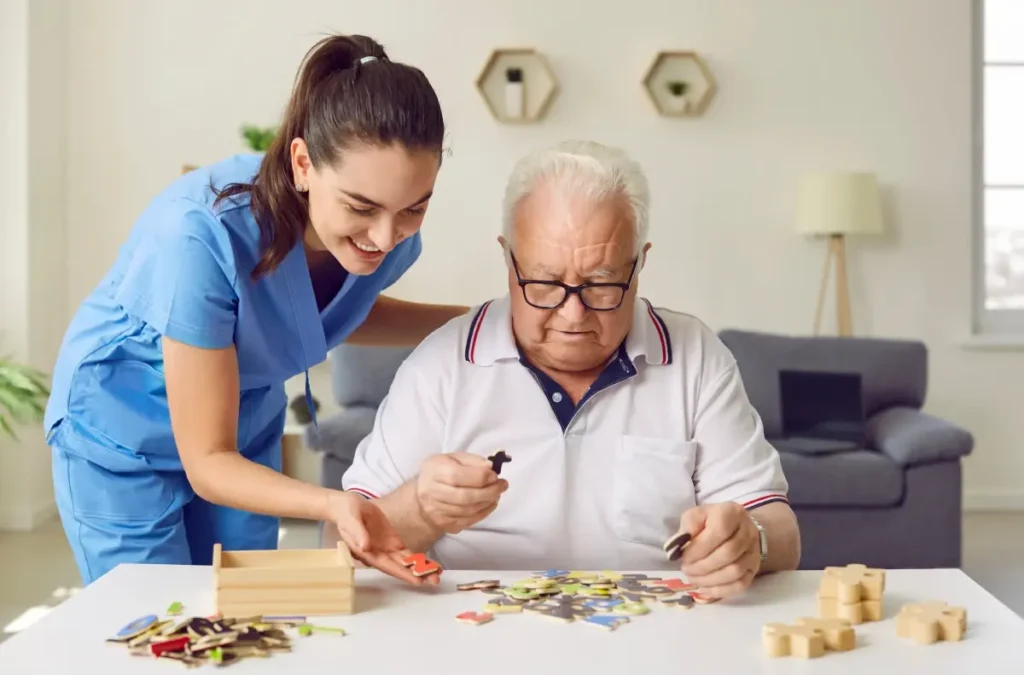
It can be confusing and emotional if you’re noticing changes in a loved one’s memory or behavior. Signs like forgetfulness, difficulty finding words, or mood changes could indicate early stages of dementia.
Understanding what may come next can help you feel more in control and confident about seeking support.
Getting a dementia diagnosis is an essential step toward improving your loved one’s quality of life. Specialists and doctors play key roles in identifying the type of dementia and providing a treatment plan.
At Civitas Senior Living, our goal is to simplify the journey to long-term care. We understand that the path to dementia care often begins before a diagnosis is made. Our team is here to guide you through the uncertainty, offering support and preparation for every stage of this challenging path.
This guide will help you find the right doctors for dementia care and build a supportive care team.
Recognizing the Signs of Dementia
Alzheimer’s and other dementias often start years before symptoms appear, with subtle brain changes occurring during this preclinical phase. By the time signs like memory loss emerge, significant progression may have taken place, making early recognition vital for timely care.
Some common symptoms of dementia include:
- Memory loss that affects daily life
- Difficulty completing familiar tasks
- Confusion with time or place
- Problems with problem-solving or planning
- Changes in mood or personality
If your loved one is experiencing these signs, the next step is finding the right healthcare provider to diagnose dementia and create a care plan. Let’s explain who treats cognitive decline.
What Is the Best Doctor for Dementia?
The process of diagnosing dementia typically starts with a primary care physician. This doctor will review your loved one’s medical history and perform an initial assessment, including dementia tests and diagnosis. From there, they may refer you to specialists for further evaluation.
Each specialist plays a unique role in understanding and managing cognitive decline.
Neurologist
A neurologist specializes in disorders of the brain and nervous system. They are key in diagnosing forms of dementia, including Alzheimer’s and vascular dementia. A neurologist may recommend:
- Brain scans, such as MRI or PET scans, to detect changes in brain structure
- Blood tests to rule out other medical conditions that may cause memory problems
- Neurological exams to assess cognitive function, coordination, and reflexes
Geriatrician
A geriatrician is a primary care doctor who focuses on the health of older adults. They can manage multiple health conditions and medications, ensuring your loved one receives well-rounded care.
Geriatricians often coordinate care with other specialists and monitor for side effects.
Neurodegenerative Disorder Specialist
These specialists focus specifically on neurodegenerative diseases like Alzheimer’s and Parkinson’s. They may be involved in clinical trials and have the most up-to-date knowledge on new treatments and therapies.
Working with a neurodegenerative disorder specialist frequently presents access to cutting-edge research and advanced care options.
Occupational and Physical Therapists
An occupational therapist helps individuals maintain independence and adapt to changes in their abilities. They focus on improving everyday skills and ensuring home safety. Occupational therapists often work on:
- Memory aids and routines
- Problem-solving exercises
- Modifying the home environment to reduce risks
A physical therapist supports mobility and physical health. They create exercise plans to improve strength, balance, and coordination, which helps reduce the risk of falls and enhances overall well-being. Physical therapists often focus on:
- Strength and balance exercises
- Mobility aids and walking techniques
- Pain management and improving joint flexibility
Both therapists are essential in helping people with dementia maintain a higher quality of life and prevent injuries. Working with these professionals can help your loved one stay active and independent longer.
Additional Providers During a Dementia Diagnosis
No journey through memory loss is the same. Other professional resources include:
- Sleep specialists
- Mental health professionals
- Dietitians
- Social workers and counselors
Preparing for a Doctor’s Visit
When meeting with doctors for dementia, preparation can make the process easier and more effective. Here are some tips:
- Bring a detailed medical history: Include current medications and past conditions.
- Document symptoms: Note when they started, how often they occur, and any patterns.
- Ask questions: Understand the purpose of each dementia test and what the results will show.
- Bring a family member: Having someone to take notes and offer additional observations can be helpful.
What Happens After a Dementia Diagnosis?
Receiving a diagnosis of dementia can feel overwhelming, but it also opens the door to essential resources and support. Your care team will work with you to create a plan that may include medication, lifestyle changes, and therapy.
After diagnosis, building a comprehensive care plan that addresses medical and emotional needs is crucial. This plan may include:
- Regular check-ins with your care team
- Creating a secure and engaging home environment
- Orchestrating home care schedules with friends and family
- Setting boundaries for care to prevent burnout
- Exploring long-term care options like memory care in a senior living community
The Importance of Specialists in Dementia Care
Many families benefit from specialist dementia care programs like those offered at Civitas Senior Living communities. Our memory care program, The Cottage, is designed to enhance the quality of life for people with dementia.
The Cottage provides a secure and enriching environment where residents can participate in meaningful activities that promote physical and emotional well-being.
Memory Care at Civitas Senior Living
If you’re considering specialized support, The Cottage is here to help at a community near you. Our memory care program focuses on personalized care and family involvement, ensuring residents feel comfortable and connected.
We understand the challenges families face and aim to simplify the journey to memory care, starting with finding doctors for dementia support. Contact us today to learn more about our services and how we can help your family.