Cognitive changes are a natural part of aging, but not all memory challenges are the same — or even similar.
At The Ridglea in Fort Worth, we’re committed to helping you understand the nuances of cognitive health, empowering you and your loved ones with knowledge and support.
You’ll also want to consult with a medical professional to evaluate any concerns and determine the best course of action for memory-related changes.
The Spectrum of Cognitive Changes
While mild cognitive impairment (MCI) may raise concern, dementia involves more pervasive symptoms that interfere with daily routines, relationships, and decision-making. We recognize the importance of early detection, compassionate care, and adaptable support through every stage of cognitive change.
Normal Aging: Expected Cognitive Shifts
As we age, our brains undergo subtle transformations. Mild forgetfulness is normal and doesn’t significantly disrupt daily life. Most older adults experience:
- Occasional difficulty recalling names.
- Slower processing speeds.
- Mild lapses in memory retrieval.
Mild Cognitive Impairment (MCI): The Early Warning System
MCI represents a more noticeable stage of change. Affecting 10-20% of Americans over 65, it’s characterized by these signs of cognitive decline:
- Measurable memory changes beyond typical aging.
- Preserved ability to perform most daily activities.
- Increased risk of progressing to more serious cognitive conditions.
- Potential for medical intervention and management.
Dementia: A Complex Cognitive Challenge
Dementia marks a significant departure from normal aging, representing a large decline in cognitive functioning that substantially impacts independence and quality of life.
Types of Dementia
Each type of dementia has its own set of challenges, requiring a thoughtful, personalized approach to care.
Alzheimer’s Disease: The Most Common Culprit
Alzheimer’s accounts for 60-80% of dementia cases. It results in gradual and progressive memory loss.
Characteristic brain changes include:
- Protein deposits — primarily amyloid plaques — in the hippocampus.
- Neuronal tangles disrupting cell communication.
Seniors with Alzheimer’s experience increasing difficulty with:
- Time and space orientation.
- Completing familiar tasks.
- Maintaining independent living.
Vascular Dementia: The Circulatory Connection
This type of dementia is caused by reduced blood flow to the brain. It’s often linked to cardiovascular health.
Primary areas it impacts are:
- Reasoning abilities.
- Judgment.
- Planning skills.
- Decision-making capacity.
Lewy Body Dementia: The Complex Imposter
Dementia with lewy bodies (abnormal clumps of a protein called alpha-synuclein) is the second most common type. It’s often misdiagnosed due to similarities with Alzheimer’s.
Unique characteristics include:
- Protein accumulation in nerve cells.
- Movement and cognitive challenges.
- Potential hallucinations.
- Sleep disturbances.
Differentiating the Signs
Understanding these warning signs can help families identify when it’s time to seek further evaluation or support.
Memory Loss Progression
- Normal Aging: Occasional, mild forgetfulness
- MCI: Noticeable but manageable memory gaps
- Dementia: Significant, disruptive memory loss
Functional Independence
- Normal Aging: Full independence maintained
- MCI: Minor functional challenges
- Dementia: Substantial support required for daily tasks
Trajectory of Cognitive Decline
- Normal Aging: Stable cognitive abilities
- MCI: Potential gradual decline
- Dementia: Continuous, progressive deterioration
Proactive Brain Health Strategies
While we can’t control all factors, you can support cognitive wellness through:
Lifestyle Interventions
- Regular physical exercise
- Mental stimulation activities
- Cognitive training programs
- Social engagement
- Stress management techniques
Nutritional Support
- A Mediterranean diet
- Omega-3 rich foods
- Antioxidant-packed nutrition
- Hydration
- Balanced micronutrient intake
Medical Management
- Regular health screenings
- Blood pressure control
- Diabetes management
- Cholesterol monitoring
- Medication review
This guide is for informational purposes and should not replace professional medical advice. Always consult healthcare professionals near you for individual guidance — especially if you observe any difficulty completing familiar tasks, challenges in planning or problem-solving, increased confusion about time or place, significant personality or mood changes, repetitive questioning, and trouble following conversations.
Passionate Memory Care at The Ridglea
The Cottage, our signature Fort Worth memory care program, is a small neighborhood within The Ridglea. It goes beyond the traditional support of standard dementia care facilities.
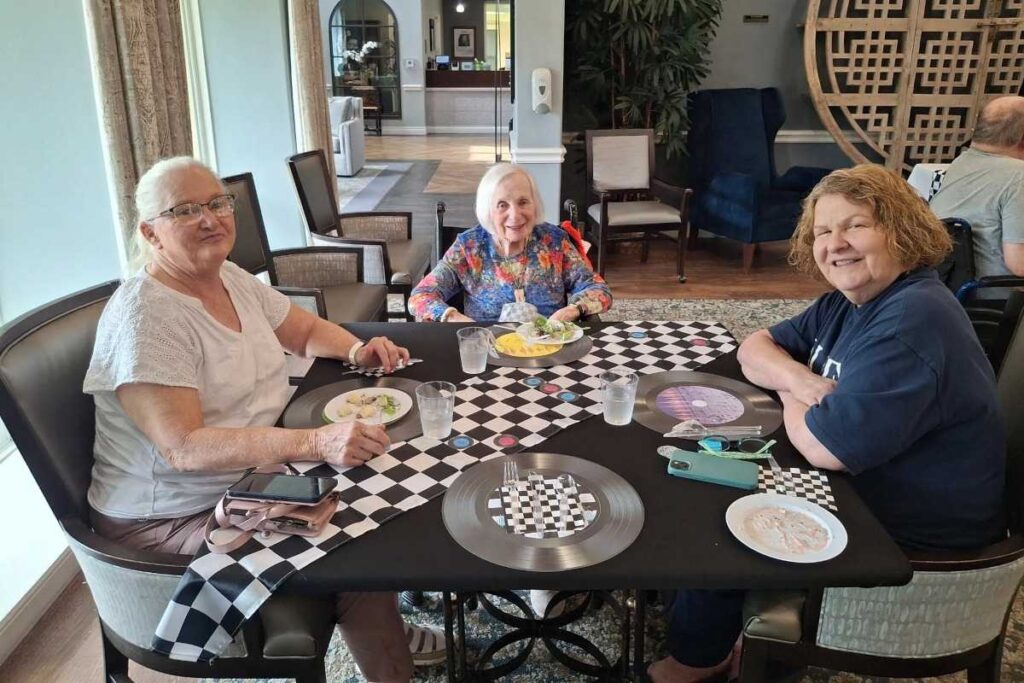
Your family can find peace of mind with custom care plans, specialized cognitive engagement programs, a nurturing environment, and an expert local team trained in dementia care for overall wellness. We support residents and their passions with ongoing training in positive, person-centered dementia care.
Empowering Families and Supporting Loved Ones
Understanding cognitive decline is a journey. Our dementia care community is committed to walking alongside you, providing education, support, and compassionate care every step of the way. Early detection, professional support, and a proactive approach can make a significant difference in managing cognitive changes. Don’t navigate this path alone; contact us today.