As of 2025, more than 61 million people age 65 and older live in the United States — a population larger than the entire state of California. In 11 states across the country, older adults now outnumber children, marking a demographic shift that raises an important question: where will all these older adults live during retirement?
The answer is changing how Americans think about their later years. According to recent data, the median household income for retirees who relocated for retirement in 2023 was $88,347 — 17 percent above the national median. This financial capacity means more adults have options for where and how they spend their retirement years.
Rather than moving across the country, many are discovering that quality retirement living exists close to home, near family, familiar healthcare providers, and the communities they’ve known for decades.
The right choice for retirement living might be closer than you think.
Retirement living communities have evolved far beyond the nursing homes of previous generations. Today’s senior living communities offer lifestyle-focused environments where adults maintain independence while accessing support services designed for their specific needs.
Whether you’re exploring options for yourself or helping a loved one navigate this transition, understanding today’s definition of retirement living helps you make informed decisions. Let’s take a look at what retirement communities near you offer.

What Is Retirement Living?
Retirement living refers to housing designed specifically for older adults, typically ages 55 and older, that provides varying levels of services and support. Unlike traditional housing, retirement living communities create environments where residents can maintain active, independent lifestyles without the burden of home maintenance, while knowing that additional care is available if circumstances change.
The term “retirement living” encompasses several types of communities, from active adult housing with minimal services to full-service senior living communities offering comprehensive care. What these communities share is their focus on:
- Supporting independence
- Creating social opportunities
- Providing peace of mind through accessible services
Modern retirement living for seniors prioritizes choice and flexibility. Residents decide how much support they want and when, maintaining control over their daily lives while eliminating tasks like yard work, home repairs, and meal preparation that no longer fit their lifestyle preferences.
Types of Retirement Living Communities
Understanding the different types of senior living communities helps you identify which option aligns with current and future needs.
Active Adult Communities (55+)
These age-restricted neighborhoods typically require residents to be 55 or older but provide minimal services beyond standard housing. Residents maintain completely independent lives in single-family homes or condos, handling their own meals, housekeeping, and personal care. These communities often feature clubhouses and social activities, but don’t provide healthcare services.
Independent Living Retirement Communities
Independent living creates maintenance-free lifestyles for active older adults who don’t need daily assistance. Residents live in private apartments and enjoy restaurant dining, housekeeping, transportation, and organized activities — all designed to eliminate home upkeep while maintaining autonomy. Independent living retirement communities focus on lifestyle and convenience rather than healthcare, though many offer wellness programs and fitness classes.
Assisted Living Communities
Assisted living provides personal care support for those who need help with daily activities like bathing, dressing, or medication management. Residents maintain private apartments while receiving customized assistance from trained care teams available 24/7. This option bridges the gap between independent living and nursing care.
Memory Care Communities
Memory care offers specialized communities for individuals with Alzheimer’s or other forms of dementia. These secure settings have staff specifically trained in dementia care, along with programs designed to promote cognitive function and emotional well-being.
Continuing Care Retirement Communities (CCRCs)
CCRCs provide multiple levels of care on a single campus, from independent living to skilled nursing. Traditional CCRCs typically require large entrance fees and long-term contracts. However, many modern communities now offer a continuum of care without these financial requirements, providing the same peace of mind at lower cost and greater flexibility.
When to Consider Retirement Living
Recognizing when it’s time to explore retirement living for seniors involves an honest assessment of current circumstances and future planning.
Home Maintenance Becomes Overwhelming
When yard work, home repairs, and property upkeep consume more time and energy than they’re worth, retirement living eliminates these tasks. Many people discover they can redirect this time and energy toward activities they actually enjoy.
Social Isolation Increases
Losing a spouse, having friends move away, or no longer driving can create isolation that affects both mental and physical health. Retirement living communities provide built-in social opportunities and transportation services that help maintain connections.
Safety Concerns Arise
Falls, difficulty managing medications, or challenges with meal preparation signal that some support might improve safety and quality of life. Retirement living communities address these concerns while preserving independence.
Driving Becomes Challenging
When driving at night becomes difficult or family members express concern about safety behind the wheel, communities with transportation services maintain independence without relying on personal vehicles.
Planning Ahead
Many people choose retirement living proactively — before they need assistance — to establish themselves in a community while they’re healthy and active. This approach means adapting to a new place while fully capable, rather than during a crisis.
Finding Retirement Communities Near Garland, TX
Garland and Mesquite form a significant retirement corridor in East Dallas, offering suburban living with immediate access to Dallas’s extensive amenities. This established region features mature neighborhoods, comprehensive healthcare systems, and strong community networks that appeal to retirees who’ve spent their lives in the Dallas-Fort Worth metroplex.
Garland’s 65,000-plus older adult population creates a robust senior community with numerous programs, clubs, and services specifically designed for retirees. The city’s park system includes extensive walking trails and senior centers, while downtown Garland features restaurants and entertainment venues within walking distance of residential areas.
Retirement communities in Garland, TX, serve a diverse population seeking options from independent living through comprehensive care. Retirement homes in Garland, TX, range from small boutique communities to larger facilities with extensive amenities. Senior care in Garland encompasses everything from wellness programs for active seniors to skilled nursing services.
Mesquite’s proximity adds Lake Ray Hubbard recreation and the Mesquite Championship Rodeo — one of the oldest continuously running rodeos in Texas. Heath’s waterfront location appeals to retirees seeking lake lifestyles. Senior housing in Garland, TX, benefits from the area’s extensive public transit connections via DART rail and bus service, helping seniors maintain independence without driving.
The region’s healthcare infrastructure includes Medical City Dallas, Baylor Scott & White facilities, and numerous specialty centers.
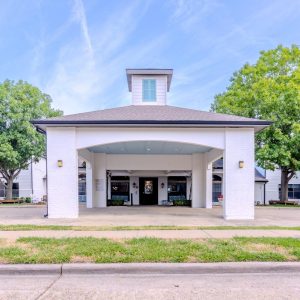
For families exploring retirement homes and senior care, Cambridge Court Senior Living in Mesquite offers independent living, assisted living, and memory care.
How to Choose the Right Retirement Living Community
Selecting a senior living community involves evaluating multiple factors to find the right fit.
Location and Accessibility
Consider proximity to family, familiar healthcare providers, places of worship, and areas you’ve always enjoyed. Staying near established support systems often matters more than relocating to new regions.
Services and Amenities
Look at what’s included: meals, housekeeping, transportation, activities, and wellness programs. Evaluate whether these services match your lifestyle preferences and daily routines.
Care Options Available
If you’re choosing independent living now, consider whether the community offers assisted living or memory care on the same campus. Having these options available provides security that you won’t need to relocate if needs change.
Community Culture
Visit during meals and activities to observe resident interactions. Talk with current residents about their experiences. The right community should feel comfortable and welcoming, not institutional.
Staff Quality and Training
Meet the team members and ask about their training, particularly in areas like dementia care if that’s a consideration. Staff expertise and compassion make significant differences in daily life.
Financial Transparency
Request clear information about costs, what’s included, and what costs extra. Understand refund policies, contract terms, and how costs might change over time.