Seven million Americans have Alzheimer’s. In Arizona, 11% of residents over 65 experience the most common form of dementia, supported by approximately 242,000 family caregivers navigating complex daily challenges.
Yet according to A Place for Mom, only 25% of caregivers say they feel prepared for this role. Perhaps this explains why over 75% report experiencing burnout.
If you’re questioning whether memory care is necessary, you’re not facing this alone.
Thousands of families throughout Flagstaff and Northern Arizona ask the same questions while balancing work, family responsibilities, and caregiving demands.
Understanding the signs that it’s time for memory care helps families make informed decisions before exhaustion or crisis forces rushed choices.

What Stage of Dementia Requires Memory Care?
Dementia progresses through stages, and recognizing when professional support becomes necessary protects both individuals and their caregivers.
The early stage brings occasional memory lapses and mild confusion. Individuals remain largely independent, managing most daily activities with gentle reminders. Many continue living at home or in assisted living during this phase.
The middle stage creates pronounced changes. Confusion increases, wandering may begin, and behavioral challenges emerge. Individuals need help with bathing, dressing, and meals. Personality shifts occur, and communication becomes difficult. This stage often signals when it is time for memory care, as home care struggles to address complex needs.
Late stage dementia requires comprehensive assistance with all activities. Communication diminishes significantly, mobility decreases, and medical complications may arise. Specialized memory care remains appropriate, as trained teams provide dignity-focused support throughout the progression.
Recognizing Signs It’s Time for Memory Care in Flagstaff
Specific behaviors and situations indicate when specialized dementia support becomes necessary.
Wandering concerns:
- Getting lost in familiar Flagstaff neighborhoods
- Attempting to leave home at night
- Walking away from caregivers in stores or public spaces
- Confusion about the current location
Personal care challenges:
- Refusing assistance with bathing or grooming
- Wearing inappropriate clothing for mountain weather
- Forgetting to eat or skipping meals entirely
- Medication errors creating health risks
Behavioral changes:
- Increased agitation or aggression
- Sundowning causing evening confusion and anxiety
- Hallucinations or paranoia
- Repetitive questioning or actions
Caregiver burnout indicators:
- Physical exhaustion affecting your own health
- Missing work regularly for caregiving demands
- Strained relationships with spouse or children
- Depression or anxiety from constant worry
- Feeling overwhelmed despite maximum effort
When these patterns emerge, memory care options provide relief for both individuals and families.
Can Assisted Living Help People With Memory Loss?
Assisted living serves those who need help with daily activities while maintaining relative independence. Early-stage dementia can sometimes be managed in assisted living settings with appropriate support.
However, as cognitive decline progresses and wandering, behavioral challenges, or communication difficulties increase, memory care becomes necessary. This senior living option provides specialized training, secure spaces, and cognitive programming that standard assisted living cannot replicate.
The distinction centers on expertise. Memory care teams receive extensive dementia-specific training in communication techniques, behavioral support, and person-centered approaches designed for cognitive challenges.
Flagstaff Memory Care Options and Continuum of Care
When evaluating memory care options in Flagstaff, consider communities that offer a full continuum of care, including independent living, assisted living, and memory care on one campus.
This approach provides significant advantages. If cognitive changes occur while residing in independent or assisted living, the transition to the memory care neighborhood can happen without leaving familiar surroundings or disrupting established relationships with team members and neighbors.
Couples with different care needs can remain in the same community rather than living separately. Familiar dining venues, outdoor spaces, and routines continue even as support levels adjust, reducing the stress transitions typically create.
Memory Care at The Bluffs of Flagstaff Senior Living
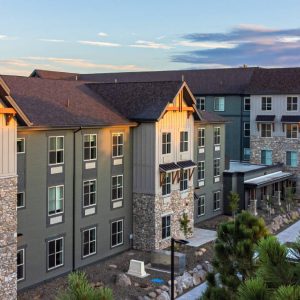
The Bluffs of Flagstaff provides memory care in The Cottage, recognized with Seniorly’s 2025 Best of Senior Living award. Our approach addresses both cognitive needs and quality of life.
Personalized care plans honor individual histories, preferences, and remaining abilities. Our culinary team prepares nutritious meals in dementia-friendly dining venues. Specialized dietary support addresses swallowing difficulties or changing nutritional needs.
The Cottage features:
- 24-hour care teams with dementia-specific training
- Secure spaces allowing freedom of movement
- Structured daily routines reducing confusion
- Cognitive activities through music therapy and reminiscence programming
- Visual cues and simplified layouts aiding navigation
- Quarterly family care plan reviews
Features of our Passion Program include:
- My Wellness connecting residents, families, and care teams
- My Food offering personalized dining experiences
- My Passion Pathway celebrating individual stories
- My Activities honoring interests and creating purpose
- My Miracle Moment making dreams come true
- Fit For You supporting physical wellness through exercise and yoga
- Select Rehabilitation providing therapy services
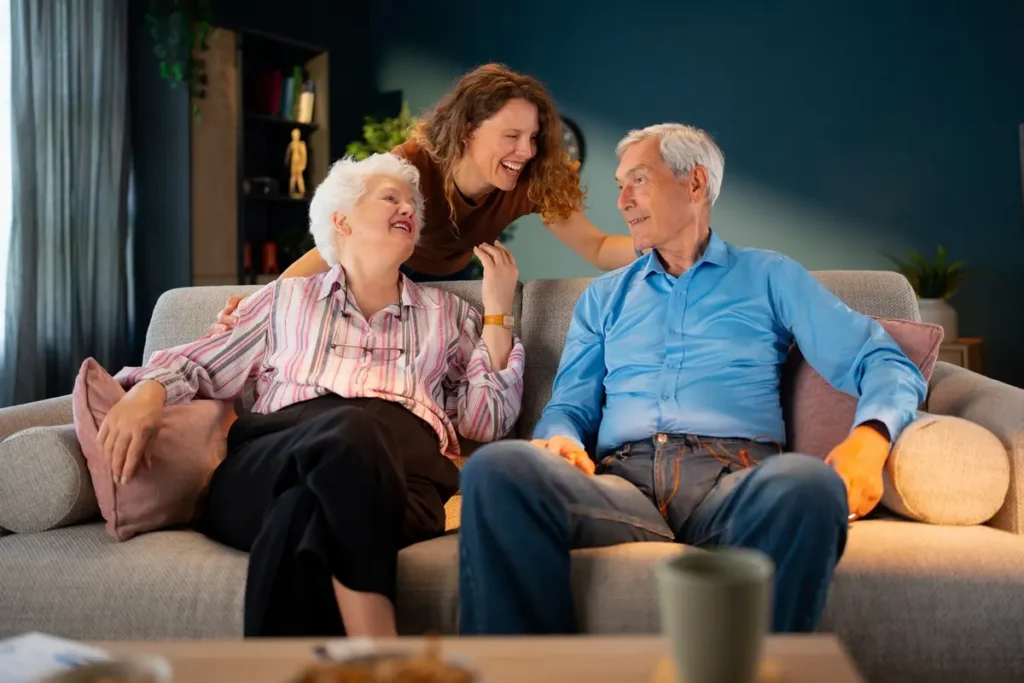
Families often discover that professional memory care transforms relationships. When trained teams manage daily care and behavioral challenges, family members return to being daughters, sons, and spouses rather than exhausted caregivers.
Visits become opportunities for connection and meaningful moments instead of crisis management, while loved ones experience the calm, structured support that cognitive challenges require.