How do I know if my parent needs assisted living? When is it time for assisted living rather than continuing to manage care from a distance or cobbling together in-home support? These questions weigh heavily on families noticing changes in loved ones’ daily functioning.

The decision rarely arrives as a single dramatic moment.
Instead, small concerns accumulate over weeks and months until patterns become undeniable. Understanding common signs helps families recognize when professional support serves everyone’s well-being.
While the majority of assisted living residents are 85 and older, with 31% aged 75 to 84, age alone doesn’t determine readiness. In reality, 70% of adults will need long-term care at some point.
Recognizing when that time arrives matters more than hitting a specific birthday.
Recognizing Physical and Health Warning Signs
Physical changes often provide the clearest indicators that current living situations no longer serve well-being.
Signs your parent needs assisted living include:
- Frequent falls or close calls requiring emergency calls
- Unexplained bruises suggesting unreported incidents
- Weight loss from skipped meals or inability to prepare food
- Poor personal hygiene indicating difficulty with bathing or grooming
- Medication errors from missed doses or confusion about schedules
- Chronic conditions like diabetes becoming poorly managed
- Mobility challenges making stairs or daily tasks dangerous
Mountain living adds complexity. Icy walkways during winter months, elevation fatigue affecting stamina, and distance from family when medical situations arise all compound existing challenges.
Noticing Social and Emotional Changes
Isolation and emotional shifts signal needs beyond physical assistance.
Warning signs include:
- Withdrawal from activities once enjoyed
- Reluctance to leave home or see friends
- Depression or anxiety about managing alone
- Confusion about time, dates, or familiar routines
- Personality changes or increased irritability
- Loneliness expressed during phone calls
- Lack of engagement or purpose in daily life
When loved ones stop participating in the community culture they once valued, professional support often restores connection and engagement.
Recognizing Caregiver Strain
Family members often neglect their own well-being while managing their parent’s care from afar. Signs your parent may need assisted living frequently appear as caregiver exhaustion.
Indicators of unsustainable situations include:
- Missing work regularly for parent emergencies
- Constant worry affecting sleep and health
- Strained relationships with spouses or children
- Frustration or resentment replacing patience
- Feeling overwhelmed by medical coordination
- Guilt about not doing enough despite maximum effort
- Physical exhaustion from travel and caregiving demands
When families living in Phoenix, Tucson, or elsewhere make frequent trips to provide care, the time and stress become unsustainable for everyone involved.
How to Know if Your Parent Should Move to Assisted Living
Reframing the question helps shift perspective. Instead of “Do they need assisted living?” ask “Would professional support improve their quality of life?”
This distinction matters because assisted living isn’t about admitting defeat. It’s about choosing a community where individuals thrive with appropriate assistance rather than merely surviving with inadequate support.
When Is It Time for Assisted Living in Flagstaff?
Consider the move when current situations compromise well-being, when isolation affects mental and physical health, when family caregivers reach burnout, when medical complexity requires professional coordination, or when loved ones express fear about living alone.
The time for assisted living in Flagstaff often arrives when mountain living challenges that once felt manageable become genuine barriers to well-being.
Assisted Living at The Bluffs of Flagstaff Senior Living
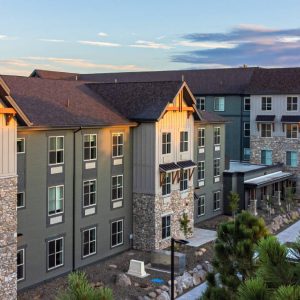
The Bluffs of Flagstaff provides assisted living in Northern Arizona’s scenic mountain setting, recognized with Seniorly’s 2025 Best of Senior Living award, and was named a Top 3 Retirement Community in Arizona in 2026.
Our approach addresses both care needs and lifestyle preferences to maintain dignity while supporting independence:
- Personalized care plans adapt as needs evolve
- Medication management ensures proper health monitoring
- 24-hour professional teams provide security and assistance, and help with bathing, dressing, and daily activities
Restaurant dining venues, including 928 Prime Steakhouse and Twenty12 Bistro, create social gathering spaces where meals become opportunities for connection. Our culinary team prepares nutritious options supporting health without requiring grocery shopping or meal preparation.
Pet-friendly apartments welcome companions, with dog yards and a dog spa ensuring furry family members thrive alongside residents. Mountain views and pine forest settings maintain a connection to the natural beauty that defines life here.
Wellness amenities support active lifestyles through our fitness center, indoor pool for year-round use, putting green for leisure, and walking trails that connect with nature.
The full-service salon, social programming, and transportation to local attractions help residents continue enjoying cultural opportunities.
Our setting provides peaceful surroundings while eliminating concerns about winter snow removal, elevation-related fatigue, and isolation common when living alone in mountain communities.
We simplify transitions through financial guidance, moving assistance, and support, coordinating care needs. Residents age in place, as our community also offers memory care when cognitive support becomes necessary.