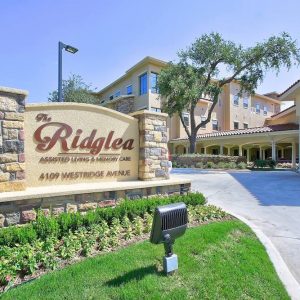
For many older adults, a pet is not an accessory to daily life. A pet is family, tied to daily walks, feeding schedules, and years of memories that a move should never require anyone to give up. Families searching for pet-friendly senior apartments in Fort Worth are often trying to solve two problems at once: finding a level of care that fits a parent’s changing needs, and making sure a dog or cat has a place too.

A University of Michigan National Poll on Healthy Aging found that 55% of adults age 50 and older have a pet, and most pet owners in that age group say their pet gives them purpose, helps them enjoy life, and connects them with others. Pet ownership is more common among adults aged 50 to 64 than among those aged 65 and older, a gap that often reflects housing constraints rather than a change in how much older adults want that companionship.
The physical benefits are documented too. According to the American Heart Association, dog owners have a lower risk of dying from any cause, a lower risk of cardiovascular death, and a notably lower risk of dying after a heart attack compared with people who do not own a dog. Beyond the data, pets help maintain a routine. Feeding times, walking schedules, and simple daily care give residents a reason to get up and move, plus a familiar routine to hold onto during a big life transition.
This article should not replace medical advice. Talk with a doctor regarding any health concerns, including how a pet may fit into a care plan.
Pet-Friendly Assisted Living vs. Houses for Rent in Tarrant County, TX
Plenty of houses for rent in Tarrant County are pet-friendly, and standard apartment communities will allow a dog or cat with a deposit and a weight limit. Assisted living communities have to go further because residents there may need help managing their pets day to day.
A rental home or apartment typically doesn’t provide support for a resident’s pet once a lease is signed. An assisted living community, by contrast, already has team members checking in on residents daily. Those same team members can notice when a pet needs a vet visit, help coordinate a feeding schedule during a short illness, or notice when a dog has not been walked. That difference matters most during a hospital stay or a rough week, when a rental property offers no support but an assisted living community can step in.
What Families Should Look for in a Pet-Friendly Assisted Living Community
Not every pet-friendly label means the same level of support. A few specific details separate a community that simply allows pets from one that helps residents and pets settle in well together.
Apartment Features and Outdoor Access
Look for floor plans with easy-to-clean flooring and enough room for a pet bed, food and water bowls, and a crate if needed. Direct or nearby outdoor access matters too, since a resident with mobility challenges should not have to walk far for a bathroom break.
Team Member Support During Health Changes
Ask directly what happens if a resident is hospitalized or recovering from a procedure. Communities differ widely in how much hands-on help team members can offer with walking, feeding, or temporary pet care, so this question is worth asking early.
Veterinary Access Nearby
Fort Worth has established veterinary practices throughout the Camp Bowie Boulevard area, so families should ask whether the community can help coordinate transportation to routine veterinary appointments.
Health and Behavior Requirements
A responsible pet policy will ask for current vaccination records and a general sense of a pet’s temperament and size. These requirements protect every resident and pet in the community, not just the newest one.
Nearby Parks and Walking Areas Near The Ridglea
The Ridglea Senior Living sits in the Ridglea neighborhood of west Fort Worth, off Camp Bowie Boulevard, in the same 76116 zip code as ZBonz Dog Park at North Z Boaz Park, a 10-acre, off-leash park with separate sections for large and small dogs.
Which Pets Are Welcome in Assisted Living
Most assisted living communities, including The Ridglea, allow small- to medium-sized dogs and cats, subject to size and temperament guidelines similar to those of many apartment communities. Birds, fish, and other small caged pets are often welcome as well.
Service animals are protected separately under federal law. According to ADA.gov, a service animal is a dog individually trained to perform tasks for a person with a disability and is not subject to the same pet policies as a household pet. Emotional support animals are subject to different rules, so families should confirm the specific policy when visiting the community.
Making the Move Together: Tips for a Smooth Transition
Moving is stressful for both pets and people, but a few steps can make it easier. Keeping the same feeding times, walking schedule, and bedtime routine in the new home helps a pet settle in faster. Bringing familiar bowls, bedding, and toys gives a pet something that smells and feels like home. Visiting the new apartment together before move-in day and walking the outdoor spaces at a comfortable pace can ease the adjustment for both a resident and a pet on the first official day.
Assisted Living and Memory Care Pet Policies at The Ridglea Senior Living
The Ridglea provides assisted living and memory care in Fort Worth, with pet-friendly apartments as part of that lifestyle. The community holds a Certified Age-Friendly and Dementia-Friendly Business designation, and its upscale design integrates naturally with daily pet routines. Residents can walk a dog through the community’s outdoor zen garden. The farm-to-table dining program, featuring premium spices, keeps residents eating well enough to care for a pet. A tenured management team means residents work with familiar faces who get to know both them and their pet over time.
In memory care, resident-owned pets are generally not part of daily life, since the team’s focus shifts to a secure memory care neighborhood led by Certified Dementia Practitioners. Regular animal therapy visits give memory care residents a chance to interact with animals in ways that suit their stage of care. Deer Oaks mental health services are also available to support residents and families through the emotional side of a transition, including decisions about a pet.