When rehabilitation ends following surgery, illness, or injury, families face critical questions. Can my loved one go home after rehab? What if they still need help with daily tasks? What happens if they’re not quite ready for independent living but don’t require hospital-level care?
Approximately 5.6 million older adults in the United States complete rehabilitation episodes each year, with 70% of hospitalized seniors aged 65 and older requiring post-treatment rehabilitation care. Yet discharge planning often leaves families unprepared for the reality of what happens after acute rehab when formal therapy ends, but recovery continues.
Understanding where seniors go after rehab, and the options available in Azle, helps families make informed decisions that support both continued healing and long-term quality of life.
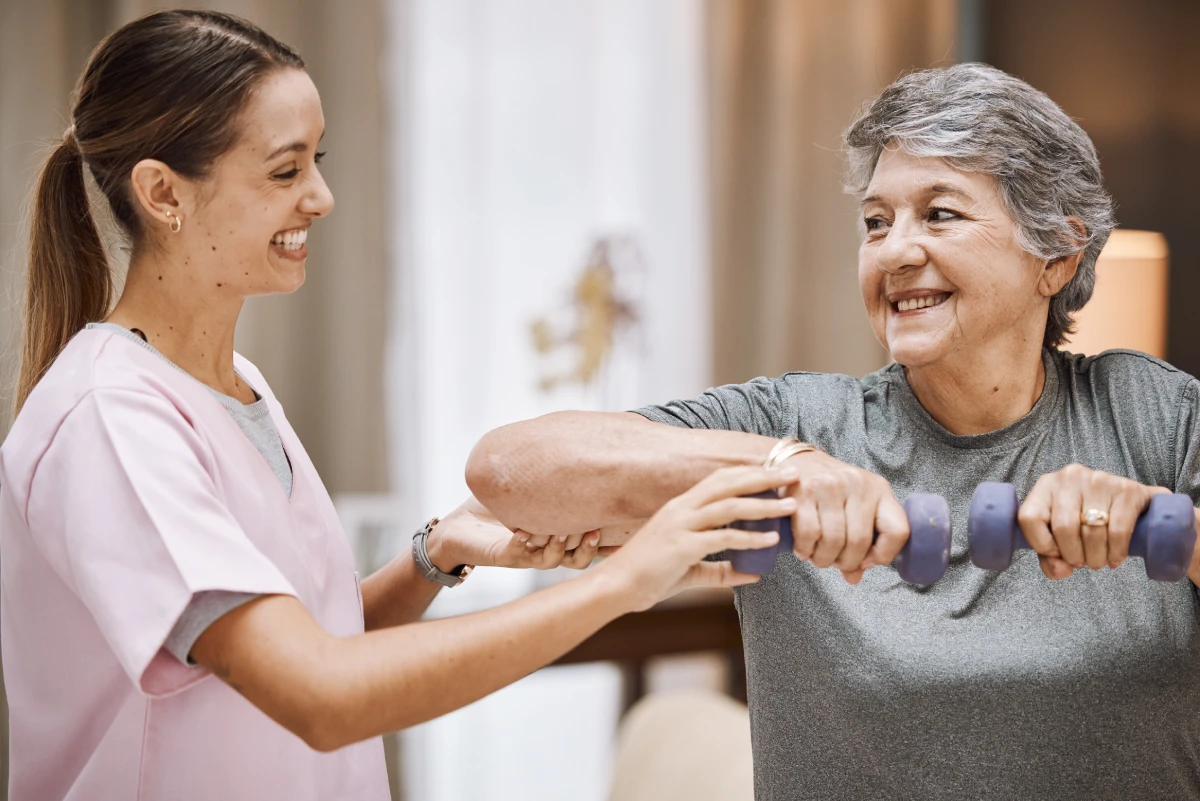
Understanding Post-Rehabilitation Transitions
What happens after rehab depends largely on recovery progress, ongoing care needs, and available support systems. Discharge destinations vary based on individual circumstances.
Common Discharge Paths
- Home With Home Health: Seniors who’ve regained sufficient independence return home with visiting nurses or therapists providing continued support. This works well for those with strong family assistance and minimal ongoing care needs.
- Assisted Living or Senior Living: Individuals who’ve improved but still need daily assistance with bathing, dressing, medication management, or meals transition to communities providing personalized support.
- Long-Term Skilled Nursing: Seniors with complex medical conditions requiring 24-hour nursing supervision may need extended skilled care beyond rehabilitation periods.
- Independent Living With Services: Active seniors recovering from temporary setbacks often thrive in independent living communities that offer optional support services as needed.
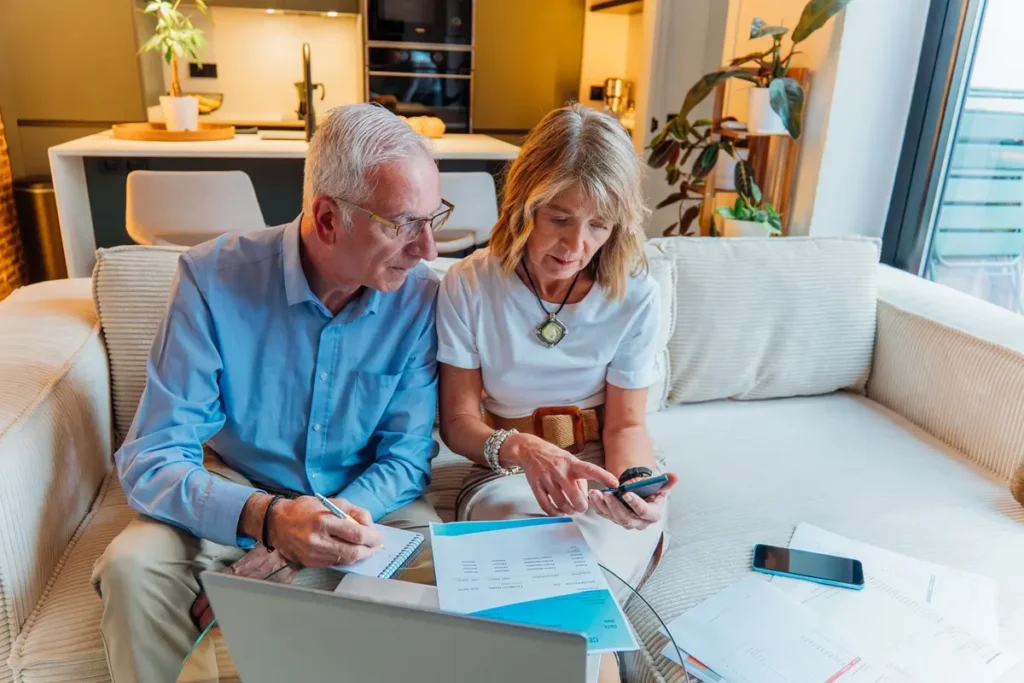
The challenge many families face is that their loved one falls between categories. They’ve improved enough to leave intensive rehabilitation but haven’t fully regained the independence needed for living alone.
The Risks of Returning Home Too Soon
Families naturally want loved ones to return home after rehabilitation. However, premature discharge creates significant risks that can derail recovery progress.
Fall Risk and Re-Hospitalization
Falls represent the leading reason seniors require rehabilitation, with one in four older adults experiencing falls annually. Returning to the same home circumstances that contributed to the initial fall, without adequate support, often leads to repeated injuries. Post-discharge fall rates increase dramatically when seniors lack assistance during vulnerable recovery periods.
Medication Management Challenges
Complex medication regimens following hospitalization require careful adherence. Missing doses, taking incorrect amounts, or experiencing unrecognized side effects can cause serious complications. Without professional oversight, medication errors become common.
Social Isolation and Depression
Seniors recovering at home alone often experience isolation that slows healing. The lack of social interaction, structured activities, and peer support contributes to depression, which directly impacts physical recovery outcomes.
Inadequate Nutrition
Proper nutrition supports healing, yet many seniors struggle with meal preparation during recovery. Limited mobility, reduced appetite, and difficulty grocery shopping result in poor dietary habits exactly when bodies need optimal nutrition most.
Caregiver Burden
Family members attempting to provide round-the-clock support often become overwhelmed. The physical demands of assisting with transfers, bathing, and mobility, combined with the emotional stress of constant vigilance, create unsustainable situations.
Senior Living as a Recovery Bridge
What families researching Azle nursing and rehab may not realize is that senior living communities increasingly serve as ideal transitions between intensive rehabilitation and independent home living, or as permanent residences providing ongoing support.
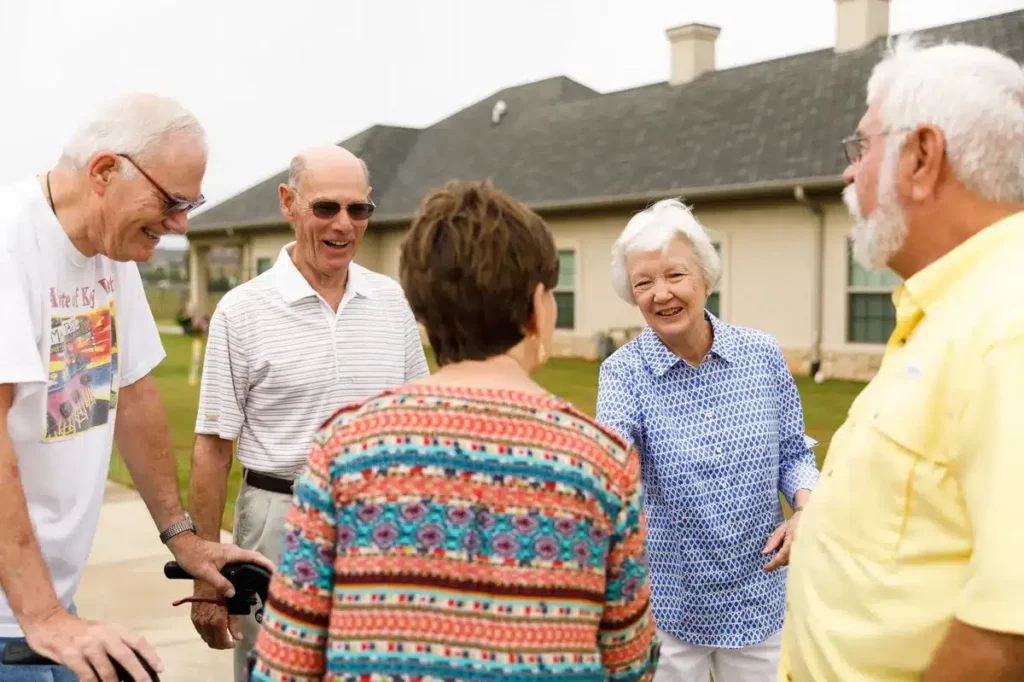
This approach addresses what happens after rehab by extending recovery support within lifestyle-focused communities rather than clinical settings. Seniors receive professional assistance while maintaining dignity, privacy, and social engagement.
Who Benefits From This Transition
Several post-rehab situations are well-suited to senior living as a next step:
- Individuals recovering from falls, fractures, or joint replacements who need continued assistance
- Seniors following strokes or cardiac events requiring monitoring without intensive nursing
- Those experiencing general deconditioning after hospitalization
- Families recognizing their loved one would benefit from ongoing community support
Senior living provides a middle ground between institutional nursing care and potentially risky independent living at home.
Continued Recovery at Legacy Oaks of Azle Senior Living
Legacy Oaks of Azle reimagines where seniors go after rehab by offering comprehensive support that bridges the gap between intensive rehabilitation and long-term wellness.
Our community serves Azle families seeking alternatives to traditional nursing and rehabilitation services.
On-Site Rehabilitation Partnership
Our partnership with Select Rehabilitation brings physical, occupational, and speech therapy directly to residents. This eliminates transportation challenges while providing consistent, high-quality therapy steps from private apartments. Residents transition seamlessly from intensive rehabilitation to ongoing wellness programming without discharge disruptions.
Comprehensive Medical Support Through Healthy Me Clinic
Understanding what happens after acute rehab requires recognizing that recovery continues long after formal therapy ends. Our on-site Healthy Me Clinic provides:
- Weekly primary care visits
- Chronic condition management
- Remote patient monitoring
- Memory testing
- Wound care services
- Mental health support
- Preventive screenings
- Care coordination with specialists
This integrated approach ensures medical continuity supporting sustained recovery.
Flexible Care Options
Independent living residents benefit from Family Tree’s private duty care when on-demand assistance becomes necessary. Assisted living provides personalized support with daily activities, medication management, and 24-hour professional teams. The Cottage memory care neighborhood serves residents with dementia requiring specialized approaches.
Recovery Supporting Lifestyle
Nutritious culinary options, including the Fork & Leaf salad bar, support healing through proper nutrition. The bistro coffee bar creates comfortable gathering spaces where residents build friendships during recovery. Wellness amenities, including a pool, provide low-impact exercise opportunities, while the dog park offers outdoor enjoyment and pet therapy benefits.
Recovery at Legacy Oaks of Azle extends beyond physical healing to encompass emotional well-being, social engagement, and sustained quality of life.