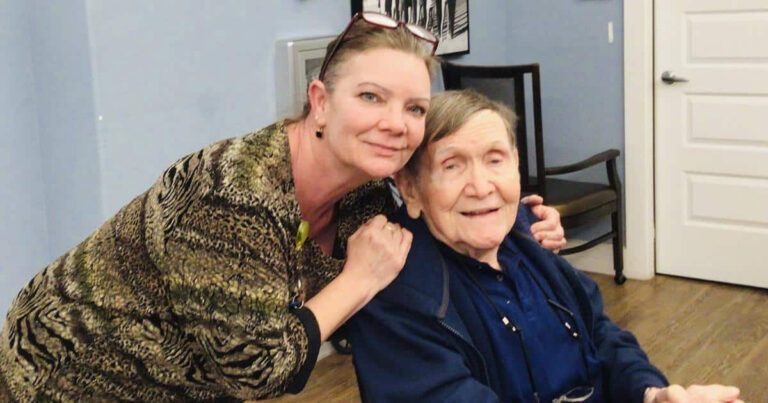
Watching your parent struggle with memory loss and cognitive decline feels overwhelming and heartbreaking, especially when symptoms appear earlier than expected or progress rapidly. These moments hit harder when they happen to someone in their fifties or early sixties — years before you ever imagined having these conversations.
Here’s what our experts at Long Creek Assisted Living and Memory Care want you to know: the speed at which these changes occur tells a story about what’s happening in your parent’s brain. Early-onset dementia and sudden-onset dementia may sound similar, but they require different responses. When you understand which type your parent is experiencing, you stop feeling helpless and start feeling equipped to help them through this chapter of their life.

What Is the Age of Early-Onset Dementia?
Alzheimer’s is the most common form of dementia; other types include vascular dementia and Lewy body dementia. When these forms of cognitive impairment present in someone younger than age 65, it’s known as early-onset (or younger-onset). The age of dementia onset varies significantly, but early-age dementia typically refers to symptoms beginning before age 65, with some cases appearing as early as the 30s and 40s.
The Mayo Clinic reports that about 110 of every 100,000 people age 30 to 64 years, or about 200,000 Americans in total, have younger-onset dementia. Compare that to the organization’s finding that one out of every nine Americans over 65 has Alzheimer’s.
That answers the question, “Can you get Alzheimer’s at a young age?” But recognizing the symptoms and starting early treatment can improve the outcomes.
Early Onset Alzheimer’s Symptoms
Early-onset Alzheimer’s diagnoses are challenging because healthcare providers might not suspect dementia in younger patients. That is why obtaining an accurate diagnosis can be a lengthy and frustrating process.
The symptoms mirror those of typical Alzheimer’s, but may progress differently. Much of the time, they include memory loss, confusion, difficulty with familiar tasks, and changes in mood or personality.
Family history plays a key role in early-onset cases: It is the only known risk factor at this time. If your family has a history of early-onset dementia, we strongly recommend discussing this with healthcare providers for essential monitoring and intervention.
Recognizing Sudden-Onset Dementia
Unlike the gradual progression typical of most dementias, sudden-onset dementia appears abruptly — an individual seems fine one week, then shows obvious cognitive problems the next. Rapidly progressive dementia (RPD) describes how quickly the condition progresses after symptoms first appear.
The key difference lies in their initial onset: sudden-onset focuses on how quickly symptoms appear, whereas RPD measures how rapidly the condition progresses once established.
Several factors trigger rapid cognitive decline, like infections, autoimmune conditions, toxins, and metabolic disorders. These treatable causes make sudden-onset cases medical emergencies. However, cancers, infections, and neurodegenerative diseases like Alzheimer’s can also cause a fast mental decline that may not reverse with treatment.
Early Age Dementia Warning Signs
Early-Stage Indicators
Watch for subtle changes that may signal the beginning of cognitive decline. These include:
- Forgetting recently learned information or important dates
- Difficulty planning or solving problems
- Confusion about time or place
- Misplacing things and losing the ability to retrace steps
- Withdrawal from social activities
Rapid-Onset Warning Signs
If you notice sudden changes in any of these areas, seek immediate medical evaluation:
- Severe confusion or disorientation appearing within days
- Dramatic personality shifts or aggressive behavior
- Difficulty speaking or understanding speech
- Loss of movement control or coordination
Managing Early-Onset and Sudden-Onset Dementia
Early and accurate diagnosis is critical for both conditions; oftentimes, RPD treatment protocols are effective. For rapid-onset cases, time becomes especially critical, as many underlying causes respond well to treatment when detected early.
We suggest scheduling a comprehensive medical evaluation with a doctor who specializes in dementia. Obtaining an accurate diagnosis involves a thorough examination, cognitive testing, neurological assessment, and brain imaging studies. Choose a specialist experienced in treating cognitive decline in younger adults, as cases of Alzheimer’s at a young age require different diagnostic approaches than those for typical age-related dementia.
Treatment Approaches
These treatment strategies depend on the underlying cause and type of dementia diagnosed. For example, if the RPD is the result of cancer or a hormone imbalance, treatments that target these specific conditions may help treat the RPD.
Newer treatments show promise for these conditions. Donanemab (Kisunla™) and lecanemab (Leqembi®) demonstrate that removing beta-amyloid, one of the hallmarks of Alzheimer’s, from the brain reduces cognitive and functional decline in people living with early Alzheimer’s.
The Average Age of Dementia Onset and Long-Term Planning
While the dementia age range is commonly adults 65 and older, the risks are much more significant after age 85. The World Health Organization claims “at least 40% of those who are at the age of 85 suffer from dementia.”
Yet younger patients often face additional challenges, such as employment issues, family responsibilities, and potentially longer progression periods. Planning becomes more complex, but it remains equally important for ensuring that their long-term care needs are met.
Consider these essential elements:
- Medical management and regular monitoring
- Home modifications
- Legal and financial planning while your loved one can still participate
- Support services for your loved one and family members
- Respite care options to prevent caregiver burnout
When caring for a loved one with any form of dementia is not possible, Long Creek can help.
Frequently Asked Questions
Can dementia symptoms appear suddenly?
Yes, certain conditions can cause rapid-onset dementia symptoms. However, sudden changes may also indicate treatable conditions, such as infections or medication reactions.
How quickly does early-onset dementia progress?
This tends to progress rapidly. However, this may be because these patients often face longer wait times for a diagnosis, causing their symptoms to become more advanced by the time dementia is confirmed. Progression varies significantly between individuals and depends on the specific type of dementia and overall health status.
How do I find specialized care for younger-onset dementia?
Contact your local Alzheimer's Association for a referral. They maintain networks of specialists experienced in diagnosing and treating dementia in younger adults.
Does Long Creek have memory care?
Our memory care setting, The Cottage, offers nationally-certified dementia practitioners and highly personalized care. This small neighborhood makes every moment count and enhances the lives of our residents. The minimum age to live in our community is 52 years.
Bringing it All Together
In summary, understanding sudden-onset and early-onset dementia empowers you to advocate effectively for your loved one. While receiving a dementia diagnosis at any age feels overwhelming, early recognition and appropriate intervention can significantly impact quality of life and progression.
Remember that advances in research continue to provide hope; progress in dementia research has led to the development of promising new treatments. By staying informed and connected with healthcare providers, your loved one can receive the best possible care.
The Cottage Supports Residents With Early-Onset Dementia
Caring for a family member with early-onset or sudden-onset dementia requires specialized expertise and understanding. At Long Creek Assisted Living and Memory Care, our memory care program provides personalized support tailored to each resident’s unique needs, regardless of their specific type of dementia. Contact our team today to arrange a tour; we’re here when you need our help.