Understanding When Specialized Care Becomes the Right Step
There often comes a moment when families realize memory loss has progressed beyond what can be managed at home. It can be hard to accept that a loved one needs more care, especially when the changes in memory, communication, and behavior become more noticeable. This turning point is emotional for everyone involved.
Memory care is a specialized form of long-term senior living designed to support individuals with Alzheimer’s and other types of dementia. Unlike traditional assisted living, it provides added supervision, structured programs, and staff trained to address the needs of residents with memory loss.
Many families wonder, what is a memory care facility, and how does it help? Memory care communities focus on well-being, dignity, and engagement. Residents receive personalized attention, daily structure, and opportunities for social interaction that help maintain their abilities for as long as possible.
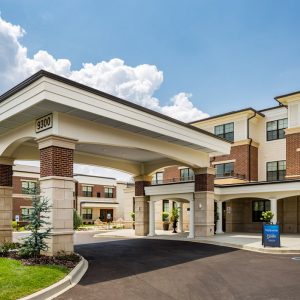
Civitas Senior Living understands how personal this decision can be. Through its specialized memory care neighborhoods, known as The Cottage, Civitas provides professional dementia care that supports both residents and their families.

What Is a Memory Care Community and How Does It Differ from Other Types of Senior Living?
Memory care communities are designed for those experiencing cognitive decline. They provide a balance of structure, supervision, and purpose. The purpose of memory care is to enhance quality of life while maintaining independence when possible.
A memory care program differs from assisted living in several ways. It includes design features and staffing that support those with dementia symptoms. A purpose-built dementia care facility will typically include:
- Secured areas that prevent wandering
- Simple layouts that reduce confusion
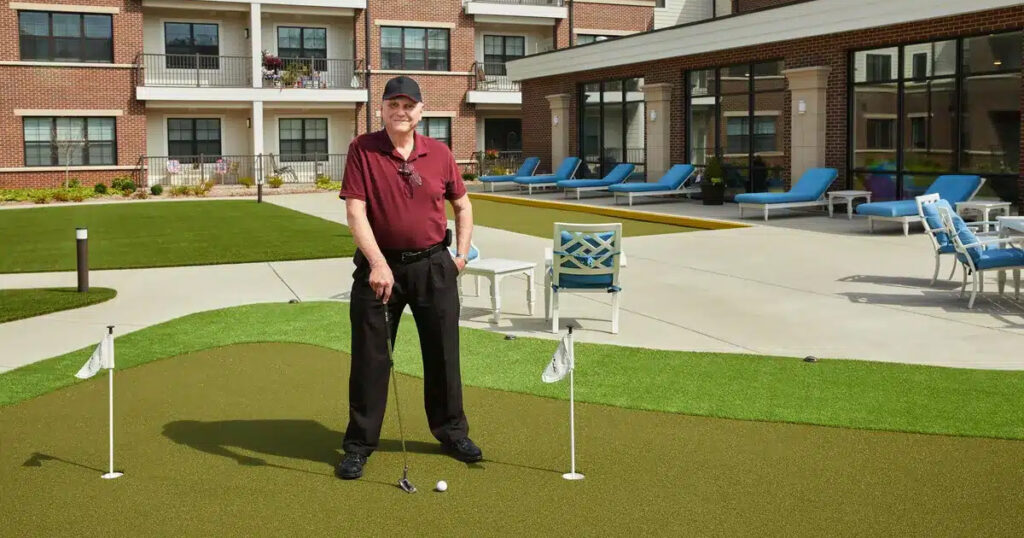
- Enclosed outdoor spaces for walking
- Calming colors and visual cues for orientation
Core components that define a high-quality memory care program include:
- 24-hour specialized supervision
- Dementia-trained team members
- Daily therapeutic activities
- Medication management and health monitoring
- Family communication and education
These features ensure residents are supported in every area of daily life. Families gain peace of mind knowing their loved one is cared for by professionals who understand the complexities of dementia care.
Recognizing When Memory Care Becomes Necessary
Memory care benefits individuals whose cognitive changes make daily living unsafe or unmanageable. The most common group includes those with Alzheimer’s, which makes up around 60 to 80 percent of dementia cases. Others who may benefit include those with vascular, Lewy Body, frontotemporal, or Parkinson’s-related dementia.
Functional signs that memory care may be needed for a loved one include:
- Forgetting to eat or take medication
- Getting lost or confused in familiar places
- Struggling with basic decisions or problem-solving
- Missing personal care tasks like bathing or dressing
Behavioral changes can also signal a need for specialized help:
- Agitation, aggression, or frustration
- Wandering or trying to leave home
- Sleep disturbances or “sundowning”
- Increased suspicion or paranoia
- Withdrawal from social interaction
When these challenges begin affecting well-being, families often find that memory care provides structure, supervision, and relief for both residents and caregivers.
What Makes a Purpose-Built Dementia Care Facility Different? Specialized Design and Programming
A purpose-built dementia care community is carefully designed to reduce confusion and encourage independence. Features often include:
- Secured entries and exits with discreet monitoring
- Clear sightlines for easy navigation
- Circular walking paths for safe movement
- Personalized door markers to aid recognition
- Proper lighting to reduce glare and shadows
- Quiet spaces that help limit overstimulation
Staffing and training are key differences in memory care. Team members receive ongoing dementia education and use techniques that support positive communication and reduce stress.
Programming focuses on what residents can do, not what they have lost. Activities often include:
- Music, art, and sensory-based therapies
- Gentle movement or chair-based exercise
- Pet visits or garden time
- Familiar household tasks for comfort and confidence
Daily care support also includes help with grooming, dressing, and eating. Medical coordination ensures that medication is managed and health needs are consistently met.
Recognizing the Signs That Memory Care is Needed
Each family’s timeline for considering memory care is different. Still, some patterns suggest it may be time to explore options.
Clinical signs include:
- A formal dementia diagnosis
- Rapid progression of memory loss
- Multiple medications that require careful management
- Medical conditions that complicate daily care
Safety signs include:
- Frequent falls or near misses
- Wandering outside the home
- Forgetting to turn off stoves or lock doors
- Skipped meals or medication errors
Caregiver stress is also an important factor. Many families face burnout when providing constant supervision. Common signs include exhaustion, strained relationships, or the realization that a loved one needs more stimulation and social interaction than can be offered at home.
Early transitions into memory care often lead to better adjustment, stronger family relationships, and a higher quality of life for everyone involved.
Understanding Your Options: Memory Care, Assisted Living, and Nursing Homes
It helps to understand the differences between care options.
Assisted living is designed for seniors who require daily assistance but do not have dementia-specific needs. Staff assist with daily tasks, but the setting is not typically designed for memory loss challenges.
Memory care provides dementia-specific programming, enhanced supervision, and dementia-friendly apartments. Team members are trained to manage memory-related behaviors and communication needs.
Nursing homes focus on medical care and rehabilitation. They are most appropriate for individuals with complex health needs that require ongoing medical attention.
Some senior living organizations, like Civitas Senior Living, offer multiple levels of support so residents can transition smoothly as their needs change.
Frequently Asked Questions About Memory Care
How do I know if my loved one needs memory care or assisted living?
If memory loss is affecting daily activities, well-being, or social engagement, memory care may be the right option.
Will my loved one adjust to memory care?
Yes. With time, routine, and familiar faces, most residents adapt well to their new surroundings.
Can families visit and participate in activities?
Families are encouraged to visit often and take part in activities and celebrations.
What happens as dementia progresses?
As needs change, the care plan adjusts. Many memory care programs provide continuous support through later stages.
How do you keep residents engaged when abilities vary?
Activities are personalized based on ability, interests, and comfort. Staff focus on what each resident can still enjoy and accomplish.
The Cottage: Specialized Memory Care Across Civitas Communities
At Civitas Senior Living, The Cottage memory care neighborhoods are designed around dignity, purpose, and comfort. W create individualized plans tailored to each resident’s story.
Families are involved through open communication and partnership. From meal preparation to music programs, residents enjoy familiar routines in home-like spaces that promote calm and confidence.
Civitas Senior Living communities across the country maintain high standards of care, consistent training, and evidence-based programming to ensure every resident receives personalized attention and meaningful engagement.
Bringing It All Together: Finding Memory Care Near You
In summary, understanding what memory care is helps families make informed choices about the next stage of support. Memory care is more than secure surroundings. It is a comprehensive program designed to preserve dignity, promote engagement, and enhance the quality of life for individuals and families with dementia.
The most important thing to remember is that early planning allows for smoother transitions and better outcomes for loved ones.
To learn more about The Cottage memory care neighborhoods, contact a Civitas Senior Living community near you. Families are welcome to schedule tours and speak with dementia care specialists about how Alzheimer’s and dementia care can help their loved ones live with greater comfort and purpose.
Let our team simplify your journey to memory care.