When a loved one needs rehabilitation following surgery, illness, or injury, families face difficult choices about appropriate care settings. Approximately 5.6 million older adults in the United States complete rehabilitation episodes each year, with 70% of hospitalized seniors aged 65 and older requiring post-treatment rehabilitation care.
Understanding the differences between Mesquite nursing and rehab services, skilled nursing care, and senior living helps families make informed decisions during already stressful times.
What Are Skilled Nursing and Rehabilitation Services?
The terms often overlap, creating confusion for families researching options. While related, these services serve distinct purposes.
What Rehabilitation Provides
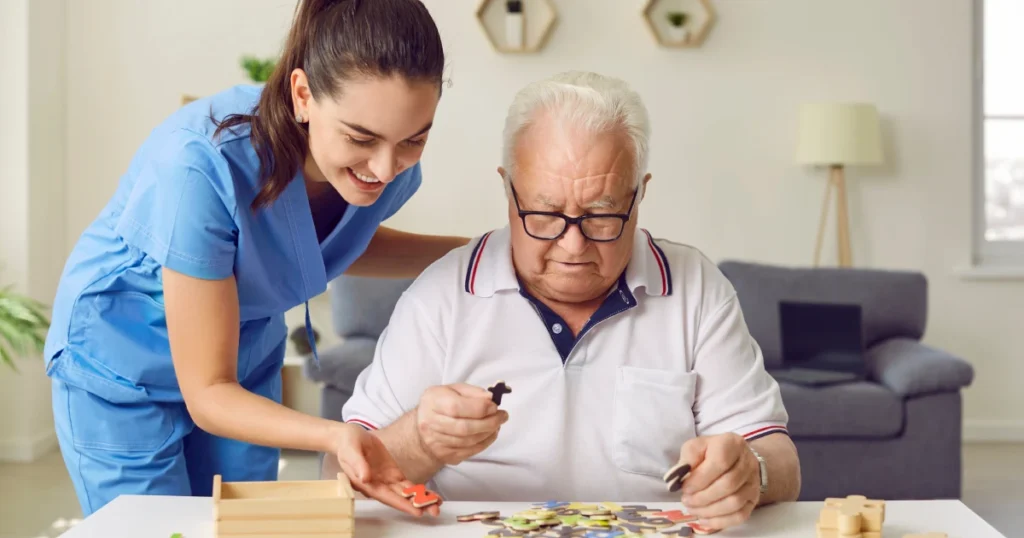
Rehab facilities provide short-term, intensive therapy following hospitalization. These programs help patients regain independence through structured therapeutic interventions. Rehabilitation focuses on specific recovery goals with measurable progress benchmarks.
Rehabilitation typically includes:
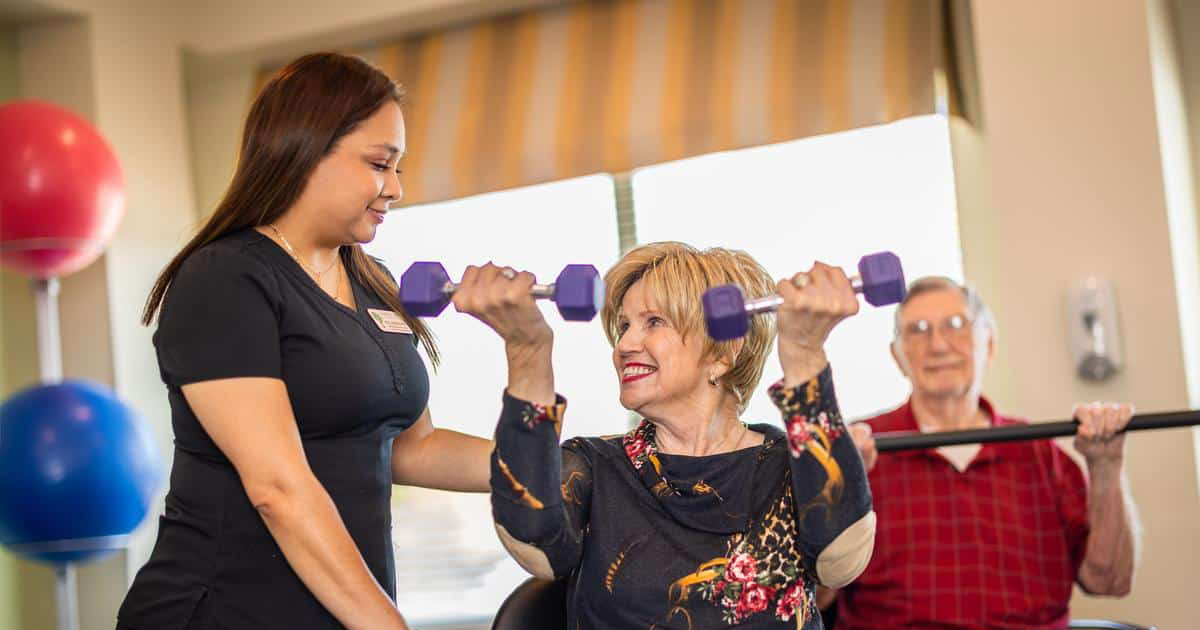
- Physical therapy – rebuilding strength and mobility
- Occupational therapy – teaching daily living skills
- Speech therapy – addressing communication and swallowing
- Intensive therapy sessions multiple times daily
- Goal-oriented treatment with discharge planning
Most rehabilitation stays last two to six weeks, to return to prior levels of functioning.
What Skilled Nursing Offers
Skilled nursing and rehab overlap but aren’t identical. Skilled nursing refers to medical care that requires licensed professionals, such as registered nurses. This care level addresses complex medical needs beyond basic assistance.
Skilled nursing services include:
- Wound care and infection management
- Intravenous medication administration
- Vital sign monitoring and medical oversight
- Assistance with daily activities
- Coordination with physicians
Skilled nursing can occur in various settings, not just residential facilities. Home health agencies provide professional nursing services, as do some senior living communities through on-site medical partnerships.
When Is Nursing and Rehab Appropriate?
Understanding common scenarios helps families recognize when Mesquite nursing and rehabilitation facilities become necessary.
- Falls and fractures: One in four older adults experiences a fall annually, resulting in 3 million emergency room visits. Approximately 319,000 seniors are hospitalized for hip fractures yearly, requiring extensive physical therapy beginning in inpatient settings.
- Post-surgical recovery: Joint replacements, cardiac surgeries, and orthopedic repairs benefit from structured rehabilitation following hospital discharge.
- Stroke rehabilitation: Recovery requires specialized therapy addressing mobility, speech, and daily functioning during the critical first weeks.
- General deconditioning: Hospitalization itself causes weakness and functional decline, especially in older adults. Even seniors hospitalized for minor issues often need rehabilitation addressing deconditioning before returning home.
Understanding Care Options in Mesquite
Some people in Kaufman, Wills Point, or Terrell might look for assisted living and nursing home care in Mineola, TX, but Mesquite also offers nearby options, including residential senior living communities.
Mesquite nursing and rehabilitation facilities provide:
- Intensive therapy multiple times daily for short-term stays
- 24-hour nursing supervision for complex medical needs
- Medicare coverage for up to 100 days following three-day hospital stays when rehabilitation shows measurable progress
- Clinical settings designed for medical treatment
Senior living communities offer:
- Private apartments in a residential setting
- Assistance with daily activities without intensive medical oversight
- Culinary teams providing meals and snacks throughout the day
- Social programming
- Wellness activities and ongoing support
- Options for independent living, assisted living, and memory care
What Happens After Rehabilitation Ends?
This question matters tremendously because recovery doesn’t stop when formal therapy concludes. Families face important decisions about next steps.
Common transitions include:
- Returning home with outpatient therapy or home health support
- Moving to assisted living when daily assistance helps maintain the independence gained during rehab
- Transitioning to memory care when cognitive challenges require specialized support
- Continuing in nursing facilities when complex medical needs persist
The key question becomes: Does my loved one need ongoing medical supervision, or do they need residential support to help maintain the abilities rehabilitation restored?
Senior Living as a Supportive Next Step
For seniors who completed rehabilitation but aren’t quite ready to manage independently at home, residential senior living provides a supportive middle ground between intensive medical care and living alone.
This approach works well for:
- Individuals who regained mobility through therapy but need help with daily activities like bathing or medication management
- Those who benefit from nutritious meals supporting continued healing
- Seniors seeking social engagement combating isolation that can slow recovery
- Families wanting peace of mind knowing professional support remains available without requiring nursing home placement
Senior living communities aren’t nursing and rehab services, but rather residential settings where life continues with appropriate assistance.
Cambridge Court Senior Living in Mesquite
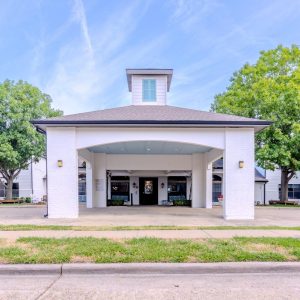
Cambridge Court provides independent living villas, assisted living, and memory care, with mental health services and Select Rehabilitation, offering supportive transitions after rehab or as alternatives when nursing homes in Mesquite aren’t necessary.
Located conveniently near Mesquite medical centers, our community provides residential support for those who have completed skilled nursing and rehabilitation but benefit from ongoing assistance in comfortable settings that feel like home.
We simplify transitions through financial guidance, real estate connections, moving assistance, and support in coordinating care needs.