Please ensure Javascript is enabled for purposes of website accessibility

How to Improve Balance for Seniors and Reduce Fall-Related Injuries

Table of Contents

Does something seem a bit off-balance with your mother or father? Perhaps they hesitate before standing up, grip handrails more tightly, or move more carefully than before. These observations could signal the beginning of challenges that affect many adults over 65.

According to the Centers for Disease Control and Prevention, emergency rooms treat over 3 million seniors annually for fall-related injuries. Behind that statistic lies a deeper truth: most falls stem from balance problems that develop gradually, often going unnoticed until a serious incident occurs.

As an adult child watching your parents age, you’ve likely noticed subtle changes in their mobility. Keeping that in mind, the Tech Ridge Oaks Assisted Living and Memory Care team put together a guide for improving balance for seniors.

First, we’ll explain the symptoms and reasons why it happens to older adults. Balance problems aren’t inevitable, and with proper intervention, you can help your loved one maintain stability and independence.
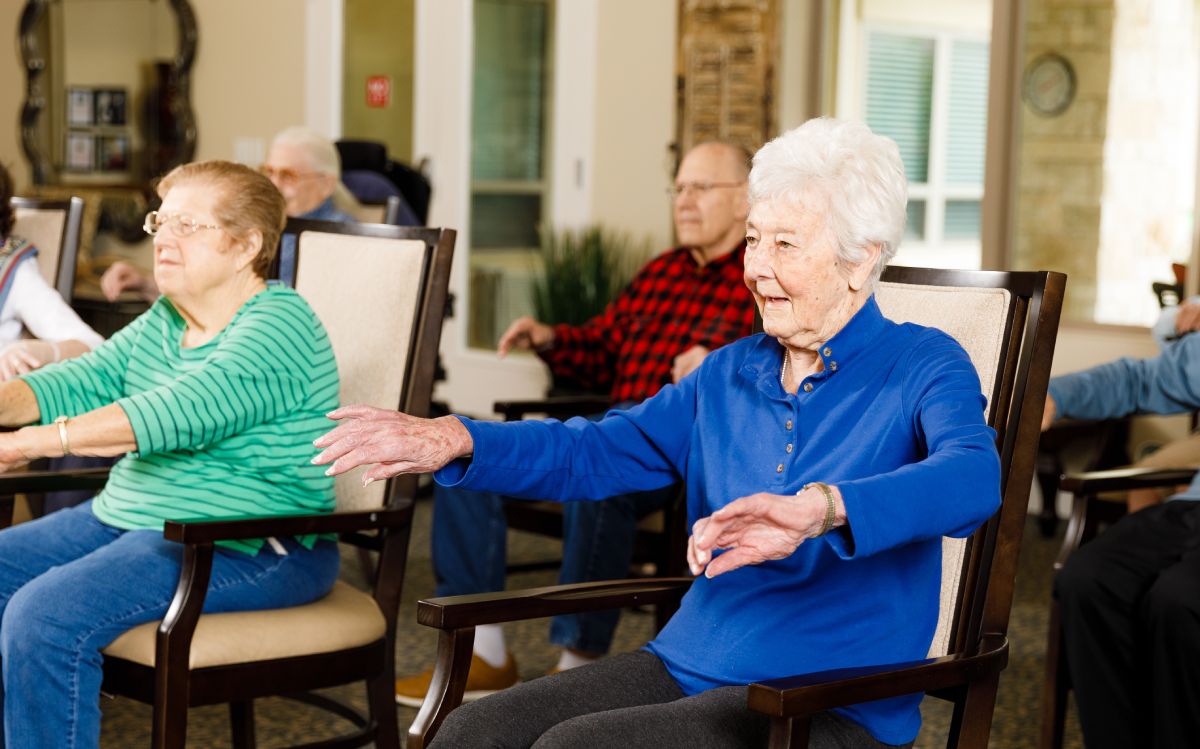
Civitas Senior Living | Senior group workout
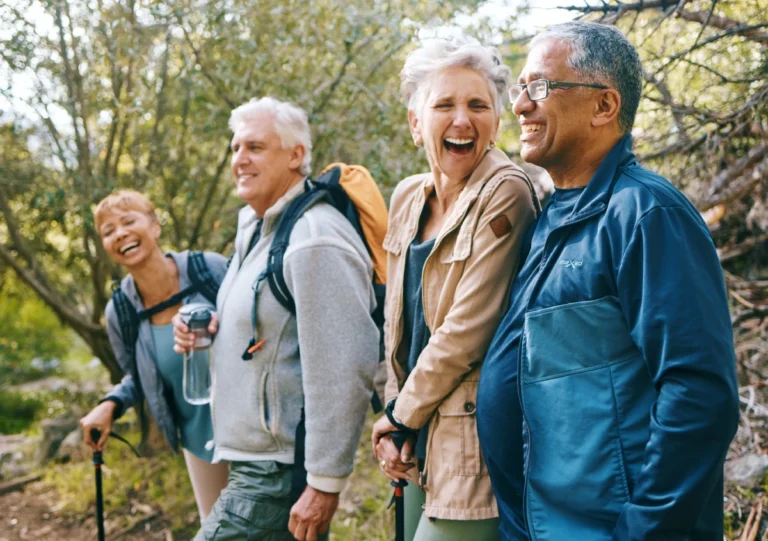
The Tech Ridge Oaks team in Austin, Texas is dedicated to improving balance training for seniors.

Understanding Balance Problems in Older Adults

Balance issues manifest through various warning signs that family members should recognize early:

  • Dizziness during position changes
  • Frequent stumbling or near-falls
  • Difficulty walking in straight lines
  • Fear of falling or anxiety about movement
  • Vertigo or spinning sensations
  • Unsteadiness in crowded places
  • Trouble maintaining posture while standing still

Several health factors can potentially affect your parent’s stability:

  • Inner ear disorders disrupt balance signals
  • Vision problems reduce spatial awareness
  • Arthritis causes joint pain and stiffness
  • Diabetes affects nerve function
  • Some medications cause dizziness or drowsiness
  • Reduced activity causes muscle weakness
  • Joint stiffness limits range of motion
  • Reduced flexibility creates movement restrictions

Even if you aren’t noticing symptoms, we recommend a proactive approach to senior balance training.

Start With Senior Balance Exercises

Physical strength forms the foundation of good balance, so try to get your parent moving. Start with gentle, targeted exercises that build core muscles, leg strength, and overall stability. Squats, heel-to-toe walking, and standing on one foot develop the muscular control necessary for steady movement.

Resistance training with weights or bands also strengthens key muscle groups. Focus on exercises that target the ankles, calves, thighs, and hip muscles. These areas provide vital support for maintaining upright posture and preventing falls.

Tai chi goes in another direction, combining gentle movements with mindful breathing. And according to a National Library of Medicine study, practicing regularly can significantly reduce the participant’s number of falls by up to 61%.

Yoga is another excellent means of improving senior balance; the poses enhance flexibility while building strength. Chair yoga modifications allow seniors with mobility limitations to participate.

Group senior balance training programs are more motivating than exercising alone. Another approach is to incorporate balance training into everyday activities.

How to Improve Balance in Old Age Through Daily Activities

Simple modifications to daily routines can improve your loved one’s stability. This can be accomplished by incorporating balance challenges into regular activities.

Standing on one foot while brushing your teeth, walking heel-to-toe down hallways, or practicing standing without using your hands to rise from chairs all help. Be mindful of what feels right for your body. Not every routine will be the right fit for where you are today, and that’s OK. Start slow and listen to your limits.

Kitchen activities also offer opportunities for improving senior balance. Reaching for items on different shelves, standing while preparing meals, and maintaining good posture during cooking tasks can all help. These functional exercises integrate balance work into essential daily activities.

The Role of Professional Care

Your parent’s healthcare providers can also address their balance problems. Regular vision and hearing checkups can identify sensory issues that affect stability; medication reviews can spot prescriptions that contribute to dizziness or confusion.

Physical therapy assessments can be especially helpful for determining specific deficits, and these professionals create targeted treatment plans. Occupational therapists can evaluate home safety and recommend modifications; they teach seniors how to perform daily tasks safely while maintaining independence. They can also assess the need for mobility aids like walkers or canes.

How Tech Ridge Oaks Seniors Find Balance

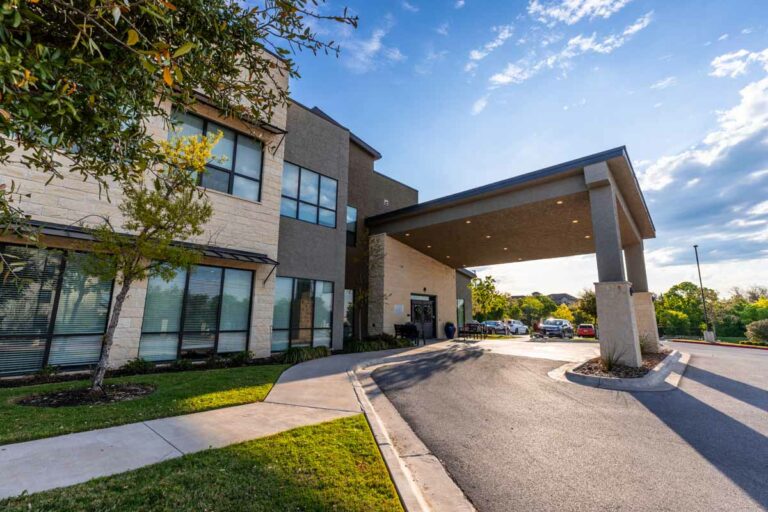
The Tech Ridge Oaks caregiving team understands the importance of maintaining balance and preventing falls. Located in Austin, Texas, we offer programming specifically designed to address balance challenges while providing dignified, person-centered care.

Our wellness programs include senior balance exercise classes that residents enjoy:

  • Yoga and Meditation
  • Seated Exercise
  • Strength Building
  • Tai Chi Exercise

In addition to those Fit for You classes above, we have a walking club, fun activities like our Volleyball Swat, and a Wellness Education Series led by our Wellness Director. But before any resident takes part in our programming, they complete a My Wellness Assessment, and we tailor a personalized care plan that addresses their needs and preferences.

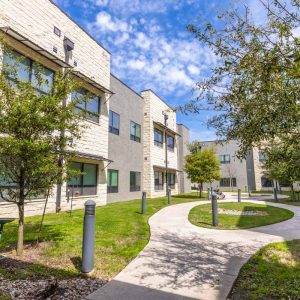
Tech Ridge Oaks also has a balance-friendly assisted living design, with wide hallways, strategically placed handrails, non-slip flooring, and modern lighting. Our dining areas, common spaces, and resident rooms all incorporate features that reduce fall risk. Our memory care setting, The Cottage, offers easy-to-navigate memory care apartments and shared spaces.

Our approach combines engaging fitness activities, personalized care plans, and a thoughtfully designed atmosphere, all aimed at our residents’ well-being. This holistic focus lets residents enjoy their days and nights with confidence, comfort, and the support they need to thrive.


We Help Seniors Live With Dignity and Joy

Take the steps needed to protect your loved one. Tech Ridge Oaks has the expertise, programs, and supportive community your loved one needs to maintain their balance and continue living with dignity and joy. Contact us to schedule a tour and see how our steady approach to senior wellness can provide the peace of mind your family deserves.

Tech Ridge Oaks | Walking path and courtyard
Leadership Team

Our team collaborates with community leaders, caregivers, and senior living professionals to provide helpful information on wellness, care options, lifestyle, and planning for the future.

Get More Personalized Guidance

Want to Share This Story?

Keep Exploring Articles for Seniors & Families

Learning about senior living doesn’t have to stop here. Because every family has unique questions, we’ve gathered more helpful blog posts on similar topics that can guide you and your family through the next steps.

Assisted Living Studio Apartments | Civitas Senior Living

Smart Space | Full Life: Assisted Living Studio Apartments

If you visited a parent or grandparent in a senior living community even 20 years ago, you may hold an outdated picture of what these spaces look like today. Modern communities feature bright, open designs...

How to Prevent Boredom With Retirement Hobbies | Civitas

Retirement Hobbies to Prevent Boredom and Keep Growing

Most people love retirement. Recent research from Money reveals that the majority of retirees report feeling happier after leaving the workforce. However, the data also shows that 8% of retirees report being less happy. The...

Civitas | Seasonal Tips: Asthma Symptoms and Senior Allergies

The Symptoms and Signs of Asthma and Allergies in Older Adults

April brings longer days, blooming flowers, and Earth Month celebrations that remind us to appreciate and interact with the natural world around us. However, for many older adults, spring presents serious challenges rather than simple...

Civitas | Team member assisting memory care resident

A Guide to Memory Care Expenses in North Austin, Texas

When families begin researching memory care costs in North Austin, questions about pricing and value naturally arise. The most common questions: What will specialized dementia care actually cost in the Austin area? How do monthly...

Civitas | Early Signs Of Cancer

Recognizing the Early Signs of Cancer in Seniors

You’ve probably spent time worrying about whether your parent might develop heart disease or dementia. But cancer is just as much of a concern as they age. The National Library of Medicine posts that prostate...

Senior Citizen Apartment Searching Tips in Missouri City

What to Know Before a Senior Apartment Search in North Austin

According to the National Council on Aging, 70 percent of older adults will need long-term care at some point in their lives. That statistic might feel overwhelming at first, but here’s the empowering reality: getting...

Ready To Speak With Us In Person?

This website uses cookies.

Schedule a Tour Today!

By submitting this form, you agree to the terms and conditions of our Privacy Policy. You also consent that we can reach out to you either by phone or by using a phone system that can auto-dial numbers. Your consent is not required to use our service.