
Understanding the Pressures, Realities, and Support for Dual Caregivers
Caring for young children while also looking after older adults is a balancing act many families never expected to perform. But for millions of Americans, this dual responsibility is their daily reality. The group most likely to face this challenge is known as the sandwich generation: adults caught between caring for their children and their aging parents.
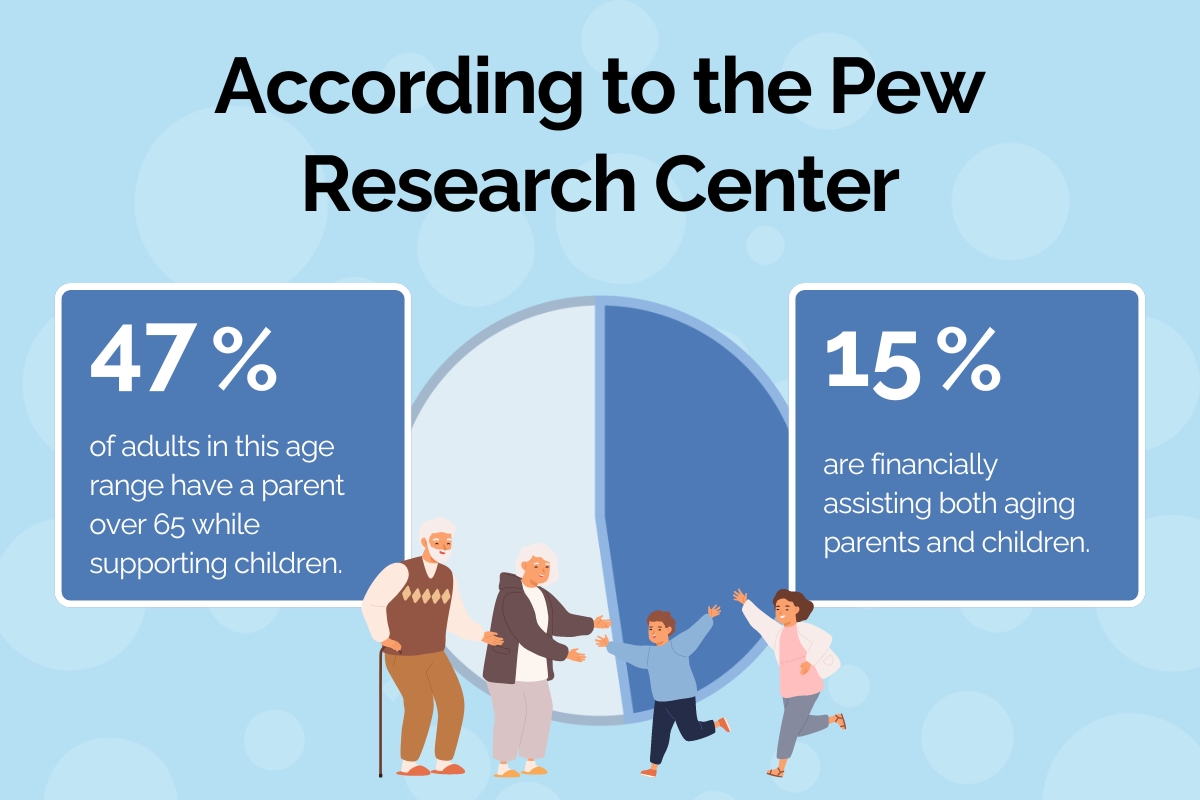
According to the Pew Research Center, nearly half of adults in their 40s and 50s have a parent over 65 and are still raising or supporting a child. These individuals are more likely to provide unpaid family caregiving, coordinate medical visits, and manage multiple financial obligations.
At Long Creek Assisted Living and Memory Care in Sunnyvale, Texas, east of Dallas, we understand these challenges. Our goal is to help families feel less alone and more equipped to manage their evolving roles.
What Is the Sandwich Generation?
The term “sandwich generation” refers to individuals who care for children and aging parents simultaneously. The phrase reflects the pressure of being “sandwiched” between two sets of needs — both demanding, both important.
So, what does the sandwich generation mean in today’s context? It means late-night bottle feedings followed by early-morning doctor appointments. It means managing school drop-offs and medication schedules, all in the same day.
According to the National Institutes of Health (NIH), dual caregiving often leads to:
- Increased emotional stress
- Decreased sleep quality
- Less time for personal health care
These effects are widespread and growing as life expectancies increase and young adults live at home longer.
What Age Group Is the Sandwich Generation?
Most fall between the ages of 40 and 59, but younger and older adults can be affected, too. Life stages don’t follow a script, and many adult children in their 30s find themselves caring for a parent while raising kids.
Additionally, people are starting families later in life. This shift increases the odds of simultaneously managing childcare and elderly care.
Many young adults today rely on their parents for financial and emotional support longer than in the past, meaning parents are still actively caring for their adult children while simultaneously caring for their own aging parents.
Challenges Facing the Caretaker Generation
The caretaker generation faces a wide range of stressors. These are not minor disruptions, and they can significantly impact a person’s personal and professional life. These challenges often include:
- Time Pressure: Constantly switching between caregiving tasks leads to fatigue and frustration.
- Financial Stress: A large number of sandwich generation caregivers are financially supporting an aging parent and a child.
- Personal Health Decline: Skipped doctor appointments, poor diet, and sleep disruption are common.
- Work-Life Imbalance: Many individuals feel they must choose between career advancement and caregiving.
- Mental Health: According to Mental Health America, sandwich generation caregivers face unique emotional challenges, including anticipatory grief, role reversal stress, and feelings of being overwhelmed by competing demands.
These factors create emotional and physical strain, especially when caregiving duties stretch over many years.
Who Is in the Sandwich Generation?
The sandwich generation is a diverse group. The answer includes men and women, people of all backgrounds, and a wide range of economic situations. Some are full-time employees. Others are self-employed or stay-at-home parents.
Many are part of the sandwich without realizing it. They take on tasks gradually, an after-school pickup here, a prescription refill there, until they’re managing every detail of two generations’ lives.
If you’re a member of the sandwich generation, you are not alone. You are part of a growing segment of the population experiencing similar demands, frustrations, and worries. Caring for yourself is as important as supporting others.

Coping With the Pressure of Dual Roles
Managing childcare and senior care takes a toll. While personal strength and organization can help, it’s not always enough. Caregivers need support.
Some strategies that help include:
- Building a Caregiving Calendar: Use scheduling apps to track appointments and delegate tasks.
- Joining a Support Group: Local and online groups offer space to vent, connect, and learn.
- Speaking Openly with Employers: Many workplaces offer flexibility when needs are clearly communicated.
- Establishing Boundaries: Saying no, even to family, is necessary to prevent caregiving responsibility from becoming unmanageable.
- Seeking Respite Care: Short-term care options give caregivers time to rest and recover.
Most importantly, acknowledge that asking for help is not a weakness. It’s a healthy and necessary decision.
Balancing Childcare With Elderly Care: A Daily Reality
Balancing childcare with elderly care means dividing energy, attention, and love. That division often feels unequal.
A sick parent may require more time, or a child may need extra attention during school transitions. The imbalance can lead to feelings of guilt, even when everything is being done correctly.
Pew Research shows that 15 percent of adult children provide financial support to both their parents and their own children. That means paying for tuition, groceries, insurance, and possibly a parent’s medication or home care.
Over time, the pressure builds.
That’s why planning matters. Creating a structure for communication, tasks, and responsibilities can ease daily life, even if only slightly.
Understanding the Value of Professional Care
Eventually, many sandwich generation caregivers reach a tipping point. The emotional and physical weight becomes unsustainable. That’s when many families begin exploring outside support from adult day programs to nursing homes, home health services, or assisted living communities.
Choosing to move a parent into a care setting doesn’t mean you’ve failed. It means recognizing that consistent, professional care may now be the best way to meet their needs, while preserving your ability to support your family and yourself.
Many adult children report that once their parent moved into a community, they were able to resume a healthier relationship. Instead of being caregivers, they could be sons, daughters, or siblings again.
When to Consider a Senior Living Community
Knowing when it’s time to explore assisted living or memory care can be difficult. These signs may indicate that more support is needed:
- Increased forgetfulness or confusion
- Missed medications or medical appointments
- Weight loss or neglected hygiene
- Physical injury or fall risks
- Worsening of chronic health conditions
- Withdrawal from activities or social interaction
Choosing a supportive care environment can protect your loved one’s health while giving you the freedom to focus on your other responsibilities, including raising young children and managing your own household.
A Place That Understands Sandwich Generation Needs
At Long Creek Assisted Living and Memory Care, we recognize the pressure placed on today’s families. Our community provides resources for those navigating childcare and elderly care.
Caregivers exploring assisted living or memory care gain:
- Reduced Stress: Professionals handle daily care and monitoring, so you’re not on alert 24/7.
- More Time with Your Children: You can focus on parenting without neglecting a parent’s needs.
- A Restored Relationship: You return to being a son, daughter, or sibling, not a full-time caregiver.
- Improved Mental Health: With less pressure, many caregivers experience fewer symptoms of burnout or anxiety.
- Peace of Mind: You know your loved one is cared for in assisted living or memory care, even when you can’t be there.
Choosing senior living support isn’t just for older adults. It’s also a step toward protecting the mental health and well-being of the caregiver.
Families can count on our team for:
- Medication management and health monitoring
- Daily meals and wellness checks
- Social activities to combat isolation
- Help with bathing, dressing, and mobility
- Personalized assisted living and memory care
Whether you’re managing family caregiving daily or looking ahead, we’re here to help guide your next step with confidence.
Take a Breather and Find Balance Near You
Caregivers are welcome to visit Long Creek in Sunnyvale, TX, near Dallas. Explore care options, talk with our team, and take a break from doing it all. Sometimes, the best way to care for everyone else is to start with support for yourself.