Please ensure Javascript is enabled for purposes of website accessibility

What’s the Difference Between Alzheimer’s and Dementia Stages?

Table of Contents

Many families receive a dementia diagnosis and find themselves asking fundamental questions about what comes next.

Understanding the difference between Alzheimer’s and dementia alongside how they progress through stages helps families make informed decisions about care before reaching crisis points.

The Bluffs of Flagstaff | Seniors looking at photographs with family members
The Bluffs of Flagstaff provides specialized memory care for all stages of Alzheimer’s and dementia in Flagstaff, Arizona.

This knowledge of memory loss transforms uncertainty into actionable plans that honor your loved one’s dignity while setting realistic expectations for what lies ahead.

Understanding Alzheimer’s and Dementia

Dementia refers to a group of progressive conditions that affect memory, communication, problem-solving, and behavior.

Alzheimer’s represents the most common form of dementia, accounting for the majority of cases. Other types include:

  • Vascular dementia
  • Dementia with Lewy bodies
  • Frontotemporal dementia
  • Mixed dementia

Each type has subtle symptom differences requiring accurate diagnosis for appropriate care planning. The difference between Alzheimer’s and dementia is important to understand.

Dementia is the broader category describing cognitive decline that interferes with daily activities. Alzheimer’s accounts for 60% to 80% of cases of dementia.

Some memory changes are normal with aging, but dementia-level memory loss prevents people from managing everyday tasks and represents a different reality requiring support and planning.

Downloadable Resources: When the Diagnosis Becomes a Plan

Navigating memory care decisions is one of the hardest things a family faces. Download our free guide to understand what care looks like at every stage and how to plan before urgency forces the decision.

What Are the Stages of Dementia

Understanding stages of dementia helps families recognize where their loved one sits in the progression and anticipate upcoming changes. Rather than fixed timelines, these stages describe characteristic patterns, with progression varying significantly between individuals.

Early Stage

In early-stage dementia, people often maintain independence while experiencing subtle changes. Many continue working, driving, and engaging in social activities, though family members often notice changes before the individual does.

Symptoms of early-stage dementia can include:

  • Occasional memory lapses and difficulty finding words
  • Mild confusion about dates and times
  • Struggle with complex tasks like managing finances
  • Difficulty following detailed instructions
  • Awareness of changes and ability to communicate concerns

This stage offers an ideal window for care planning and legal discussions before the pressure of immediate decisions arrives.

Middle Stage

Middle-stage dementia brings more noticeable changes that affect daily functioning. This stage typically lasts the longest and creates the greatest demands on family caregivers due to:

  • More apparent memory loss and confusion about time and place
  • Repetitive questions and difficulty with personal care tasks
  • Increased anxiety, agitation, or behavioral changes
  • Sleep pattern disruptions and wandering if left unattended
  • Gradual decrease in independence requiring increasing supervision

Family caregivers often experience significant strain during this phase as constant oversight becomes necessary.

Late Stage

Late-stage dementia involves severe cognitive decline and complete dependence on caregivers for all activities. Individuals require professional support addressing both physical and emotional needs around the clock.

The final stages of Alzheimer’s and dementia can include:

  • Severe memory loss with inability to recognize familiar people
  • Loss of communication abilities and meaningful speech
  • Difficulty swallowing and changes in eating patterns
  • Loss of bladder and bowel control
  • Reduced mobility and most of the day spent sleeping

This stage demands specialized care from trained professionals who understand the physical and emotional complexities of advanced dementia.

How Quickly Does Dementia Progress

The timeline of dementia progression varies considerably based on age at diagnosis, overall health, type of dementia, and individual factors. Some people experience slower progression over many years while others decline more rapidly:

Early-stage dementia may last two to seven years, middle-stage can span two to 10 years, and late-stage typically lasts one to three years, though these timelines are not predictable for any individual.

Rather than focusing on the speed of progression, families benefit from recognizing early warning signs that trigger conversations about future care and legal planning, and from exploring communities that offer a continuum of care options.

Early discussions prevent crisis-driven decisions and allow your loved one to participate in planning while they’re able to express preferences.

When Is More Support Needed

Recognizing when dementia progression requires additional help happens gradually. Signs include:

  • Missed medications
  • Increased falls or accidents at home
  • Neglected personal hygiene
  • Unsafe cooking practices or lack of nutrition at all
  • Wandering
  • Visible caregiver exhaustion from managing all responsibilities alone

These moments signal that home-based care has reached its limits and specialized memory care becomes valuable.

The role of atmosphere in supporting people with dementia cannot be overstated. Familiar surroundings, consistent routines, sensory-friendly experiences, and compassionate interactions create conditions in which people can thrive rather than simply exist.

Purpose-built memory care communities understand how design, dining approaches, activities, and trained team member interaction directly affect well-being and quality of life throughout all stages.

Memory Care at The Bluffs of Flagstaff Senior Living

When caring for a loved one with memory loss becomes overwhelming, you don’t have to do it alone. The Bluffs of Flagstaff provides purpose-built memory care in The Cottage, our specialized neighborhood designed specifically for people with Alzheimer’s and dementia.

What makes our approach different:

  • U.S. News & World Report’s Best Memory Care 2026
  • Secure, specialized memory care with 24/7 trained caregivers who understand dementia and respond with compassion
  • Continuum of care within our community allowing residents to transition into memory care without relocating and disrupting established relationships
  • Structured days filled with purpose and connection through individualized activities honoring each person’s interests and abilities
  • Dementia-friendly meals and dining experiences supporting nutrition and enjoyment
  • Scenic mountain and pine surroundings providing a calming natural atmosphere
  • 24/7 licensed nurse oversight and on-site rehabilitation services
  • High team member-to-resident ratios ensuring attentive, personalized support
  • Support groups and programs inviting families to understand cognitive changes and participate in supportive conversations

Our team works with local professionals in finance, legal, and logistics to simplify your transition into memory care, handling the details so you can focus on connection rather than logistics.

Frequently Asked Questions

Dementia is the broader term affecting cognition, while Alzheimer’s is the most common cause of that decline. Care needs evolve through stages regardless of the specific type, requiring increasing levels of support as the condition progresses.

When home-based care becomes unsafe or unsustainable, when medications are missed, when wandering becomes a risk, or when caregiving exhaustion affects your health, memory care communities provide the specialized support and structure your loved one needs.

Communities offering a continuum of care allow residents to transition between levels without leaving familiar surroundings, maintaining relationships and routines while receiving appropriate care for their current stage.

Planning Ahead With Clarity

Understanding dementia stages and how progression unfolds helps families move from uncertainty into confident planning. Early conversations about preferences, legal matters, and care options create the foundation for decisions made with intention rather than crisis.

Explore Memory Care in Flagstaff, AZ

You don’t have to navigate these changes alone. Contact The Bluffs of Flagstaff to learn how our specialized memory care supports both residents and families through every stage of dementia.

Tour The Cottage, meet our trained caregivers, and discuss how we partner with families to provide structured days, compassionate care, and the peace of mind you deserve.

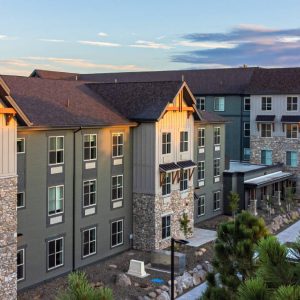
The Bluffs of Flagstaff | Community Exterior
Leadership Team

Our team collaborates with community leaders, caregivers, and senior living professionals to provide helpful information on wellness, care options, lifestyle, and planning for the future.

Get More Personalized Guidance

Want to Share This Story?

Keep Exploring Articles for Seniors & Families

Learning about senior living doesn’t have to stop here. Because every family has unique questions, we’ve gathered more helpful blog posts on similar topics that can guide you and your family through the next steps.

In-Home Care in Flagstaff, AZ vs. Senior Living Costs

When Does Home Care in Flagstaff, AZ, Cost More Than Senior Living?

Home care often begins as the obvious answer when extra support is needed. A parent needs help after a hospital stay, or a spouse’s needs gradually outpace what one person […]

Civitas | Alzheimer's Awareness Month

Civitas Is Dedicated to Alzheimer’s & Brain Awareness Month

Summer brings long days filled with outdoor gatherings, family reunions, and celebrations marking the season. These warm months create memories we carry forward for years. We remember backyard barbecues with […]

Flagstaff Independent Living Pricing Overview

How Much Independent Living Costs in Flagstaff, AZ

Flagstaff’s mountain setting at 7,000 feet in the ponderosa pines creates a distinctive four-season lifestyle that is dramatically different from Phoenix’s desert heat 150 miles south. The college town atmosphere […]

Assisted Living Studio Apartments | Civitas Senior Living

Smart Space | Full Life: Assisted Living Studio Apartments

If you visited a parent or grandparent in a senior living community even 20 years ago, you may hold an outdated picture of what these spaces look like today. Modern […]

When Is It Time for Assisted Living | The Bluffs of Flagstaff

Signs It May Be Time for Flagstaff Assisted Living

How do I know if my parent needs assisted living? When is it time for assisted living rather than continuing to manage care from a distance or cobbling together in-home […]

Helping Seniors Stay Home in Flagstaff | The Bluffs

What’s the Cost of Helping Seniors Stay in Their Homes?

Flagstaff draws people for reasons that become lifelong commitments. The ponderosa pines at 7,000 feet elevation, four distinct seasons with cool summers, and the energy of Northern Arizona University create […]

Ready To Speak With Us In Person?

This website uses cookies.

Schedule a Tour Today!

By submitting this form, you agree to the terms and conditions of our Privacy Policy. You also consent that we can reach out to you either by phone or by using a phone system that can auto-dial numbers. Your consent is not required to use our service.