Choosing the right care for a loved one with memory loss is a serious decision. Families often struggle to understand the differences between various care options and find the best fit for their specific situation.
If you’re looking for a comfortable setting for your loved one with memory loss, specialized Alzheimer’s assisted living facilities may be the right choice. Unlike typical care facilities, these communities focus specifically on the needs of people with Alzheimer’s and dementia.
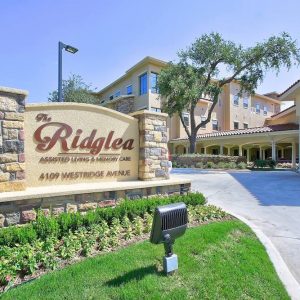
The Ridglea, our senior living community in Fort Worth, TX, offers this type of specialized memory care with holistic support services.
The different care options don’t have to be confusing. Understanding what makes memory care different from other senior housing types helps families make informed decisions during this challenging time.
Understanding Alzheimer’s Assisted Living in Texas
Alzheimer’s assisted living facilities provide specialized care designed specifically for people with dementia and other cognitive conditions. These communities differ from regular assisted living because they offer targeted programming and trained team members who understand memory-related challenges.
Memory care communities focus on creating structured settings that reduce confusion while promoting independence. The physical design, daily routines, and activities all support residents with cognitive changes.
Types of Care for People with Alzheimer’s
Alzheimer’s Care Centers
These facilities specialize in all stages of dementia care. They provide medical oversight, therapeutic programming, and family support services. Alzheimer’s care centers often include research partnerships and educational resources.
Alzheimer’s Care Homes
Smaller residential settings that provide personalized care. These homes typically serve fewer residents, allowing for more individualized attention and family-style care approaches.
Assisted Living for Alzheimer’s
Communities that combine the housing model of assisted living with specialized dementia programming. Residents live in private or shared apartments while receiving targeted support for memory-related needs.
Memory Care Communities
Specialized sections within larger senior living communities or standalone facilities designed specifically for people with cognitive conditions. These offer secure settings with trained caregivers and therapeutic activities.
What Makes Memory Care Different
Memory care provides specialized support that regular assisted living cannot offer:
- Trained Team Members: Caregivers receive specific training in dementia care techniques, behavior management, and communication strategies for people with cognitive changes.
- Secure Community: Memory care communities feature secured units that prevent wandering while allowing freedom of movement within designated areas.
- Specialized Programming: Activities focus on cognitive stimulation, memory preservation, and maintaining existing abilities rather than learning new skills.
- Family Support: Many communities offer education, support groups, and resources to help families navigate the challenges of dementia.
Memory Care vs. Nursing Homes
Nursing homes provide medical care for people with various health conditions, including chronic illnesses, injury recovery, and complex medical needs. They operate under a medical model with skilled nursing available 24 hours a day.
Memory care communities focus specifically on people with cognitive conditions. They provide assistance with daily activities while maintaining a residential rather than medical atmosphere.
The goal is to help residents live with dignity while receiving appropriate supervision.
Memory care residents typically don’t require skilled nursing but need help with daily tasks and benefit from structured communities designed for cognitive challenges.
How Long Do People Stay in Memory Care?
The time someone spends in memory care varies greatly depending on individual factors, like overall health, the progression of their condition, and the level of care needed.
According to the Alzheimer’s Association, many people live four to eight years after a dementia diagnosis, though some may live up to 20 years. Most people are diagnosed during the early stages when they may still live independently.
As the condition progresses to moderate stages, families often seek additional support. This is the longest stage of dementia, when many people transition to memory care. The final stages typically require 24-hour supervision and medical support.
Active lifestyles and social engagement can help slow cognitive decline and improve quality of life. Memory care communities focus on maintaining abilities and promoting well-being throughout the progression.
Alzheimer’s Support Services
Quality memory care communities provide comprehensive Alzheimer’s support that includes:
- Daily Living Assistance: Help with bathing, dressing, grooming, and medication management tailored to each person’s abilities and needs.
- Nutrition Support: Meals designed for people with dementia, including texture modifications and assistance with eating when needed.
- Activity Programming: Therapeutic activities that engage memory, promote social interaction, and maintain physical abilities.
- Family Education: Resources to help families understand dementia progression and learn effective communication techniques.
- Medical Coordination: Partnerships with health care providers who understand dementia care and can address changing medical needs.
Finding Alzheimer’s Support in Fort Worth
Fort Worth Alzheimer’s support includes various community resources, support groups, and specialized care facilities. Families can access local Alzheimer’s Association chapters, caregiver support groups, and educational programs.
When evaluating communities, look for ones that offer comprehensive support services, trained team members, and family involvement opportunities. Quality communities welcome questions and provide transparent information about their approach to care.
Cost Considerations
Alzheimer’s care in Texas typically costs 20 to 30 percent more than assisted living due to specialized programming and services. The Dallas-Fort Worth area tends to have slightly higher costs than rural areas.
Factors affecting cost include:
- Level of support needed
- Community amenities and services
- Location and local market conditions
- Private vs. shared apartments
Many families use private pay options, long-term care insurance, or veterans benefits to help cover costs. Medicare typically doesn’t cover housing costs, but may pay for some medical services.
Questions to Ask When Touring a Memory Care Community
About Their Care Philosophy:
- How do you approach dementia care?
- What training do team members receive?
- How do you handle behavioral changes?
About Daily Life:
- What does a typical day look like?
- How do you accommodate different stages of dementia?
- What activities and programming do you offer?
About Family Involvement:
- How do you communicate with families?
- What support do you offer family members?
- Can families participate in care planning?
Frequently Asked Questions
What’s the difference between memory care and regular assisted living?
Memory care services provide specialized programming, trained team members, and secure communities explicitly designed for people with dementia. Regular assisted living focuses on general assistance with daily activities.
How do I know when it’s time for memory care?
Consider memory care when safety becomes a concern, when current living situations no longer meet needs, or when families need additional support managing care at home.
Do all Alzheimer’s assisted living facilities provide the same services?
No, services vary significantly between communities. Some focus on early-stage care while others serve all stages. Programming, amenities, and care approaches differ widely.
Can someone with early-stage Alzheimer’s benefit from memory care?
Yes, early intervention in memory care can help maintain abilities longer and provide structure that supports cognitive function and social engagement.
How much does specialized dementia care cost?
Costs vary by location and services, but typically run 20-30 percent higher than regular assisted living. The Fort Worth-area assisted living average was $5,900 in 2024, reports CareScout.
What should families look for in a quality memory care community?
Look for specialized training, person-centered care approaches, engaging programming, family support services, and a welcoming place that feels like home.
Conclusion: Making the Right Choice
Choosing specialized care for someone with Alzheimer’s requires careful consideration of individual needs, family circumstances, and available resources. The right community provides not just care but also dignity, engagement, and quality of life.
Take time to visit multiple communities, ask detailed questions, and involve your loved one in the decision when possible. Quality memory care can provide peace of mind for families while helping residents live their best possible lives.
The Ridglea Senior Living offers specialized memory care in Fort Worth with compassionate team members and comprehensive programming designed specifically for people with cognitive challenges. Contact us to learn more about our approach to dementia care and schedule a tour of our community.