
 (817) 386-8888
Summer brings long days filled with outdoor gatherings, family reunions, and celebrations marking the season. These warm months create memories we carry forward for years. We remember backyard barbecues with neighbors, vacation adventures with grandchildren, and quiet evenings watching sunsets with the people we love most.
Preserving these memories requires protecting brain health throughout our lives.
June serves as Alzheimer’s & Brain Awareness Month, offering opportunities to learn about cognitive wellness, recognize early warning signs, and support millions of individuals and families navigating memory challenges.
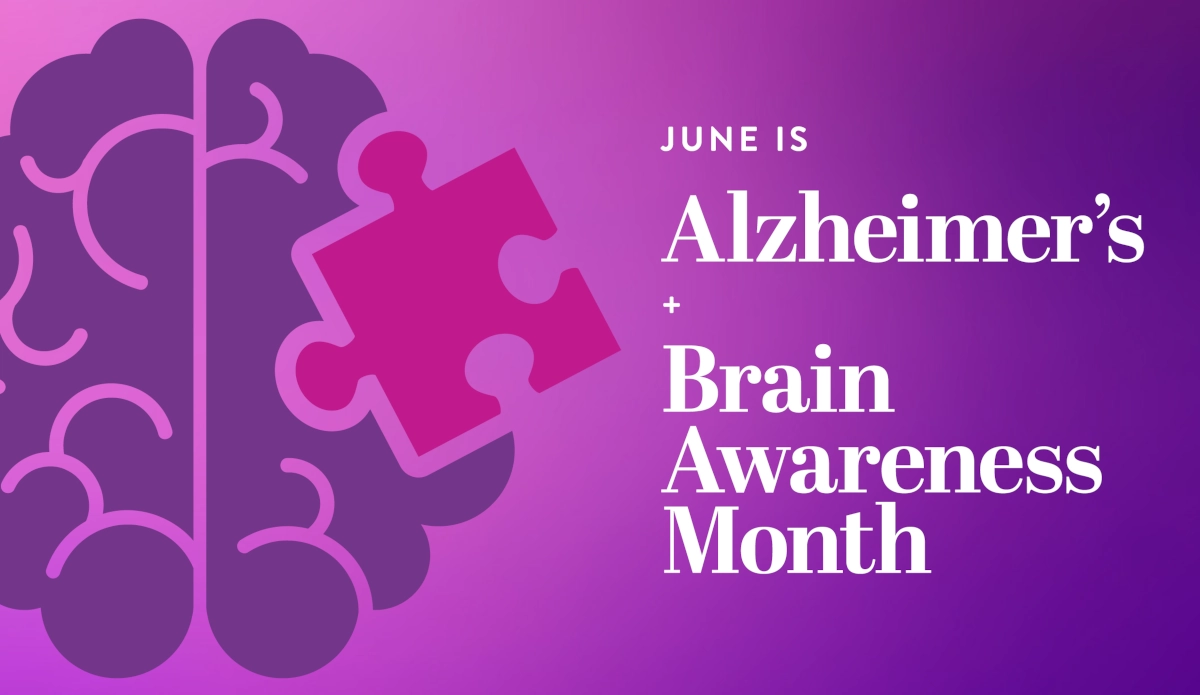
The Alzheimer’s Association designates the week around June 21 as Do What You Love to End ALZ (formerly The Longest Day). This symbolic time, with the most light, encourages communities nationwide to host fundraising events that raise awareness of Alzheimer’s and support research while honoring those experiencing cognitive changes.
Understanding Alzheimer’s and Brain Health
Over 7 million Americans have Alzheimer’s, with nearly 13 million family caregivers providing support. These numbers continue rising as our population ages, making awareness and early recognition increasingly important.
Alzheimer’s affects memory, thinking, and behavior in progressive ways. Early stages bring occasional forgetfulness and mild confusion. Middle stages bring pronounced changes that require daily assistance. In the late stages, comprehensive support is needed for all activities.
Early warning signs include:
- Memory loss disrupting daily life
- Challenges planning or solving problems
- Difficulty completing familiar tasks
- Confusion about time or place
- Trouble understanding visual images or spatial relationships
- Problems with words in speaking or writing
- Misplacing things and losing ability to retrace steps
- Decreased judgment
- Withdrawal from work or social activities
- Changes in mood and personality
Recognizing these signs early allows families to seek assessment, plan proactively, and access support before crisis situations force rushed decisions.
The Impact on Individuals and Families
Alzheimer’s changes not just memory but entire family dynamics. Caregivers balance work responsibilities, their own families, and increasing care demands as cognitive challenges progress.
Over 75% of caregivers report experiencing burnout. Many delay their own medical care, experience depression and anxiety, and feel isolated from friends and activities they once enjoyed. The emotional toll affects everyone who witnesses loved ones changing.
Yet early education and appropriate senior care for Alzheimer’s can significantly improve outcomes. Understanding what to expect, accessing resources, and knowing when specialized support becomes necessary help families navigate this journey with greater confidence.
Prevention and Healthy Lifestyle Choices
While no guaranteed prevention exists, research suggests certain lifestyle factors support brain health and may reduce the risk of cognitive decline.
Brain-healthy habits include:
- Staying mentally active through reading, puzzles, and learning new skills
- Maintaining physical activity with regular exercise appropriate for ability levels
- Following heart-healthy eating patterns emphasizing vegetables, fruits, and whole grains
- Prioritizing quality sleep supporting memory consolidation
- Managing chronic conditions like diabetes, high blood pressure, and high cholesterol
- Staying socially connected through relationships and community involvement
- Protecting the head from injury through appropriate precautions
These choices benefit overall well-being while supporting cognitive function throughout aging.
Ways to Participate in Alzheimer’s Awareness Month
The Alzheimer’s Association provides opportunities for everyone to contribute during Alzheimer’s Awareness Month.
Participation options include:
- Wearing purple throughout June, showing solidarity
- Sharing information on social media using #ENDALZ
- Finding a Do What You Love to End ALZ event near you to attend or volunteer
- Donating to support research and family services
- Learning warning signs and sharing knowledge with others
- Advocating for policies supporting those affected by Alzheimer’s
These actions raise awareness, reduce stigma, and advance research toward better treatments and eventual cures.
Alzheimer’s Care at Civitas Senior Living
When caring for a loved one with memory loss becomes overwhelming, families don’t have to navigate this journey alone. Civitas Senior Living takes Alzheimer’s & Brain Awareness Month seriously through year-round commitment to specialized memory support and compassionate partnership with families.
Our memory care neighborhoods, called The Cottage, provide purpose-built spaces designed specifically for Alzheimer’s and dementia, featuring:
- 24-hour trained teams who understand how cognitive challenges change daily experiences
- Protected spaces
- Structured routines
- Cognitive programming honoring individual abilities and histories
- Days filled with purpose and connection
We understand that dementia changes how people experience the world, and our approach adapts communication and activities accordingly. Families discover that professional dementia care often strengthens rather than diminishes their relationships with loved ones. When trained teams handle daily care needs, family members return to being daughters, sons, and spouses rather than exhausted caregivers.
Every June, many Civitas Senior Living communities host purple-themed parties, memory walks, benefit concerts, and educational sessions for families. These events build awareness while demonstrating our commitment to those experiencing cognitive challenges.