
 (817) 386-8888
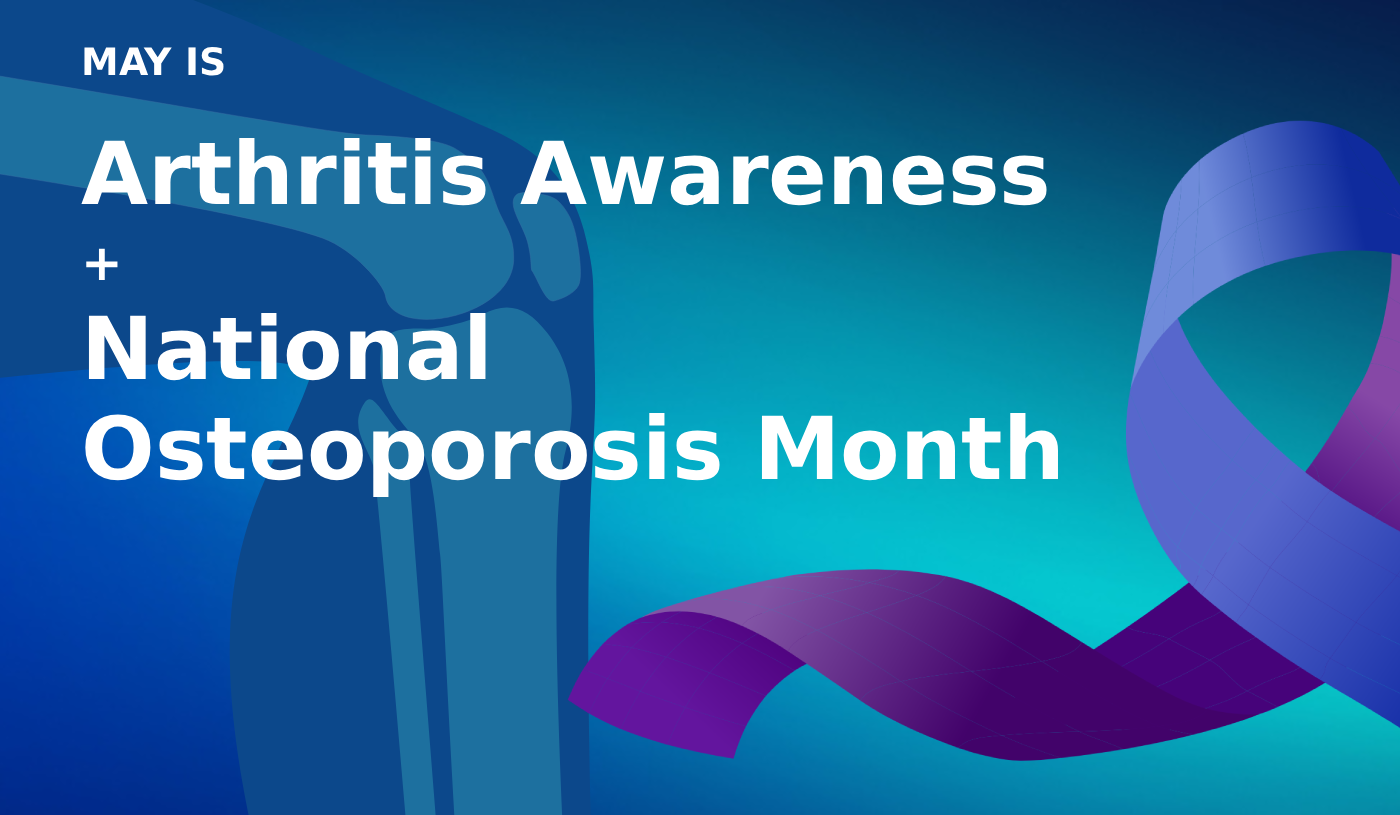
May brings spring blooms, warmer weather, and two important health observances: Arthritis Awareness Month and National Osteoporosis Month. These aren’t arbitrary calendar designations. They exist because millions of older adults live with conditions that significantly impact daily life, yet many go undiagnosed or poorly managed.
According to the Centers for Disease Control and Prevention (CDC), arthritis affects 18.9% of adults aged 18 and older, with women experiencing higher rates (21.5%) than men (16.1%). The prevalence increases dramatically with age, from just 3.6% among adults aged 18 to 34 to 53.9% among those aged 75 and older.
Meanwhile, an estimated 10.2 million people aged 50 and over have osteoporosis, with another 43.3 million showing low bone mass that puts them at risk.
These conditions often occur together, creating compounding challenges:
- Arthritis causes joint pain and stiffness that limits mobility
- Osteoporosis weakens bones, making fractures more likely
- Together, they increase fall risk and reduce independence exactly when older adults want to remain active and engaged
Understanding both conditions, how they interact, and which management strategies actually work helps families support loved ones while older adults themselves take proactive steps to maintain quality of life.
Why Arthritis Awareness in Seniors Matters
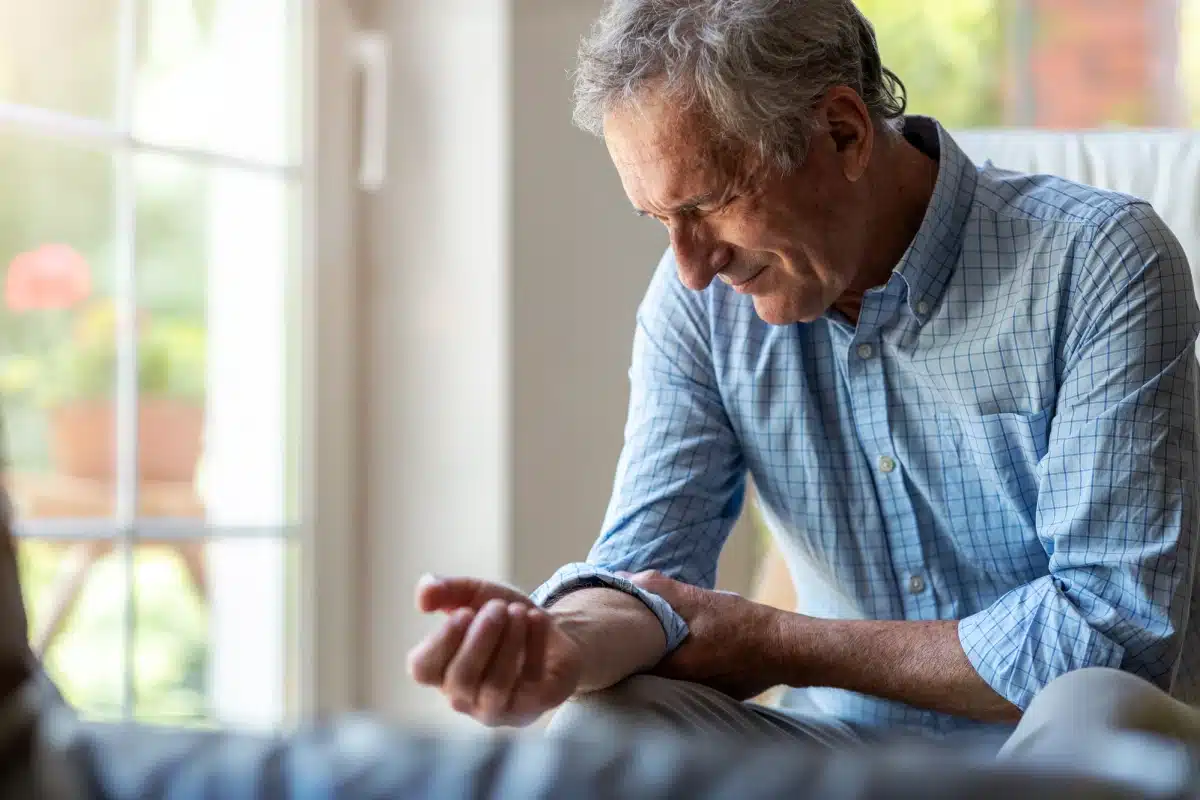
Arthritis isn’t a single condition but rather over 100 different types of joint disease that cause pain, stiffness, and swelling. The two most common forms affecting older adults are osteoarthritis and rheumatoid arthritis.
Osteoarthritis develops when protective cartilage cushioning joints wears down over time. Weight-bearing joints like knees, hips, and spine experience the most damage. Activities that once felt effortless, like climbing stairs or gardening, become painful and difficult.
Rheumatoid arthritis occurs when the immune system mistakenly attacks the lining of the joints, causing inflammation, swelling, and eventual joint damage.
Unlike osteoarthritis, rheumatoid arthritis can develop at any age and often affects multiple joints symmetrically.
Both forms significantly impact daily life. Simple tasks like opening jars, buttoning shirts, or walking to the mailbox require more effort and cause discomfort. Many older adults gradually reduce activity to avoid pain, which ironically accelerates joint stiffness and muscle weakness.
Arthritis Awareness Month exists to combat the resignation many people feel. Arthritis isn’t an inevitable part of aging that must be endured silently.
Effective management strategies include:
- Physical therapy and appropriate exercise
- Medication as prescribed by a doctor
- Joint protection techniques
- Assistive devices that reduce strain
Understanding Osteoporosis in Older Adults
Osteoporosis literally means “porous bones.” The condition causes bones to become weak and brittle, so fragile that even minor stresses (such as bending over or coughing) can cause fractures. Hip, wrist, and spine fractures are most common.
At what age do people get osteoporosis? While the condition can develop earlier, risk increases significantly after age 50, particularly for women following menopause when estrogen levels drop. However, men aren’t immune. About 25% of men over 50 will experience osteoporosis-related fractures.
The danger with osteoporosis lies in its silent progression. Most people don’t know they have weakened bones until fractures occur. By then, significant bone density loss has already happened. A senior osteoporosis diagnosis often comes after a fall or fracture rather than through preventive screening.
Hip fractures particularly devastate older adults. According to the CDC, approximately 300,000 seniors are hospitalized for hip fractures annually. Many never regain previous mobility levels. The combination of reduced activity during recovery and preexisting bone weakness creates cycles of declining independence.
National Osteoporosis Month highlights the importance of:
- Bone density screening
- Calcium and vitamin D intake
- Weight-bearing exercise
- Fall prevention strategies
These interventions can significantly reduce fracture risk when implemented before bones become severely compromised.
How Arthritis and Osteoporosis Interact
These conditions frequently coexist, creating complicated management challenges.
Arthritis causes pain that discourages weight-bearing exercise exactly when bones need that activity to maintain density. Some arthritis medications can affect bone health, and the inflammation associated with rheumatoid arthritis may accelerate bone loss.
Both conditions increase fall risk through different mechanisms.
Arthritis affects balance, joint stability, and mobility. Osteoporosis makes falls more dangerous because weakened bones fracture more easily. Together, they create situations in which older adults limit their activity out of fear, paradoxically worsening both conditions.
Managing Joint and Bone Health
Effective management addresses both conditions simultaneously rather than treating them separately.
- Stay active with appropriate exercise: Low-impact activities like swimming, tai chi, and walking strengthen the muscles that support the joints while providing weight-bearing benefits for bones. Physical therapy helps develop exercise programs balancing arthritis pain management with osteoporosis prevention.
- Prioritize nutrition: Calcium and vitamin D support bone health. Anti-inflammatory foods may help reduce arthritis symptoms. Proper nutrition becomes even more critical when managing multiple conditions.
- Regular medical monitoring: Bone density scans track the progression of osteoporosis. Arthritis requires ongoing assessment to adjust treatment strategies as the condition evolves.
- Fall prevention: Remove tripping hazards, improve lighting, use assistive devices when needed, and maintain strength and balance through targeted exercise.
- Medication management: Various medications help manage both conditions, but require careful coordination to avoid interactions and side effects.
Supporting Wellness at Civitas Communities
Civitas Senior Living communities understand that managing chronic conditions like arthritis and osteoporosis requires comprehensive support beyond medical interventions.
Our wellness programming includes fitness classes adapted to varying ability levels, nutritious dining that supports bone and joint health, and a setting designed to reduce fall risk while encouraging continued activity.
What makes our communities different is our local therapy partnerships that take the stress out of making outside appointments. Many communities feature Select Rehabilitation, which allows residents to receive on-site physical therapy, mobility support, and balance screenings.