
 (817) 386-8888

Your father waves off his chest discomfort as indigestion. Or maybe your mother insists she’s “just tired” after climbing the stairs. You’re watching from the sidelines, knowing something’s changed but unsure how to help. Are you overreacting?
No. These small signs often point to cardiovascular concerns that need attention today, not six months from now when a crisis forces your hand. And since February is American Heart Month, our Civitas Senior Living team knows that there’s no better time to learn about senior heart health.
The Risks of Cardiovascular Disease
Aging naturally changes how the cardiovascular system functions: Blood vessels become less flexible, the cardiac muscle may weaken, and decades of accumulated stress negatively affect heart health. For seniors, staying on top of this requires more vigilance than it did in the past.
The statistics paint a clear picture: cardiovascular disease remains the leading cause of death among Americans. But numbers only tell part of the story. When cardiovascular function declines, everything else follows. Energy levels drop, independence shrinks, and cherished activities become difficult or impossible.
Red Flags to Watch For
As the body ages, certain health conditions become more prevalent and pose greater threats to cardiovascular wellness.
- High blood pressure: Nearly two-thirds of adults over 65 develop hypertension, often without any noticeable symptoms for years.
- Elevated cholesterol: High cholesterol leads to arterial buildup that restricts blood flow and increases the risk of serious cardiovascular events.
- Sedentary routines: A lack of regular physical activity weakens the heart muscle and reduces the efficiency of circulation.
- Chronic conditions: Diabetes, obesity, smoking, and persistent stress compound cardiovascular risks through inflammation, hormonal disruption, and metabolic strain.
- Medication interactions: Many older adults take multiple prescriptions that can interact in unexpected ways, affecting cardiovascular function.
Educating yourself about these risks is essential, but actionable solutions like eating healthier matter more than awareness alone.
Heart-Healthy Diets for Seniors Make a Measurable Difference
Nutrition plays a fundamental role in cardiovascular wellness. Heart-healthy diets for older adults emphasize whole foods, lean proteins, and fruits and vegetables that provide nutrients without excess sodium or sugar. These diets also avoid processed foods or fatty meats. The Mediterranean approach has a proven framework: olive oil, fish, nuts, whole grains, and colorful produce. This eating pattern reduces inflammation, improves cholesterol ratios, and supports healthy blood pressure levels.
A heart-healthy diet also incorporates omega-3 fatty acids from salmon, walnuts, and flaxseed to protect cardiovascular function. Fiber from oats, beans, and vegetables helps manage cholesterol, while potassium from bananas and sweet potatoes supports healthy blood pressure. These nutrients work together, so a varied diet is essential.
More Heart Health Tips for Seniors
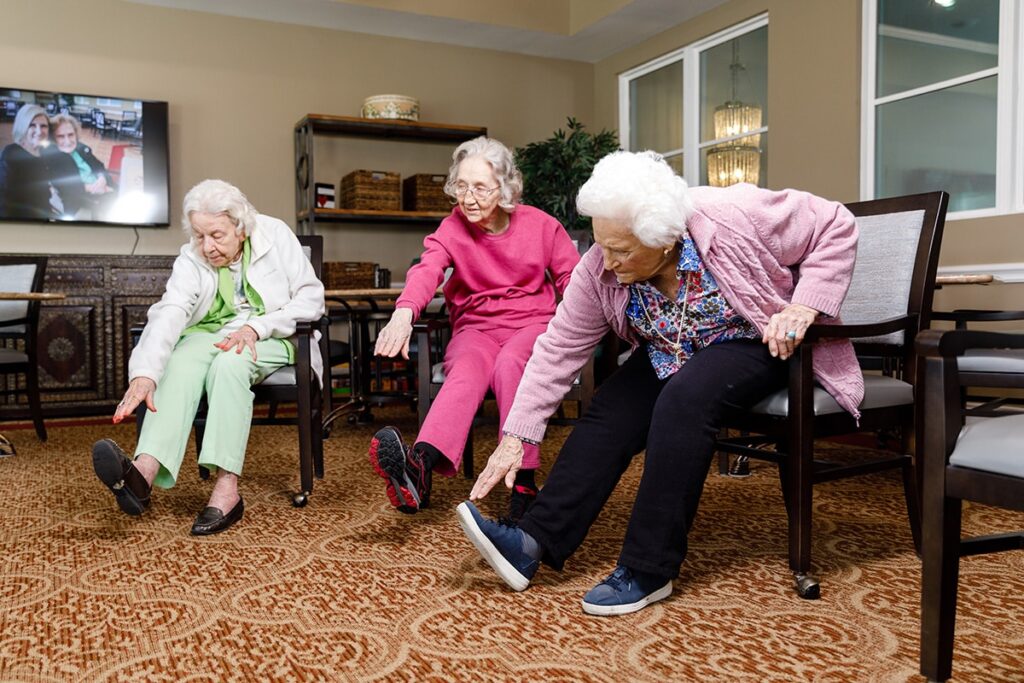
A heart-healthy diet is one part of a senior wellness plan. Physical activity is the next habit to focus on; remember, consistency matters more than intensity.
- A 30-minute walk most days delivers substantial benefits.
- Swimming protects joints while challenging the cardiovascular system.
- Strength training twice weekly preserves muscle mass.
- Flexibility exercises combined with balance work help prevent falls.
- Find activities your parent genuinely enjoys, whether that’s gardening, dancing, or even a cornhole competition.
Chronic stress also affects cardiac function; it elevates blood pressure and triggers inflammation throughout the body. Simple relaxation techniques like meditation or yoga can counter stress by activating the body’s natural calming response. Quality sleep plays an equally important role, since poor rest throws off the hormones that keep blood pressure stable.
How Supportive Communities Encourage Heart Health in Seniors
When your parent lives among people at similar life stages, staying active and involved becomes the natural rhythm of daily life rather than something that requires constant effort. There’s no need to schedule socialization or force participation when community exists organically. Residents move more, eat better, and feel less stressed because we support these behaviors without making them feel like work.
At Civitas Senior Living, we believe in this principle: cardiovascular wellness happens naturally when the right systems are in place. Organized activities, nutritious dining, and accessible fitness amenities remove the logistical barriers that make it hard for seniors to maintain protective routines. In our communities, staying healthy flows from connection, movement, and shared experiences.